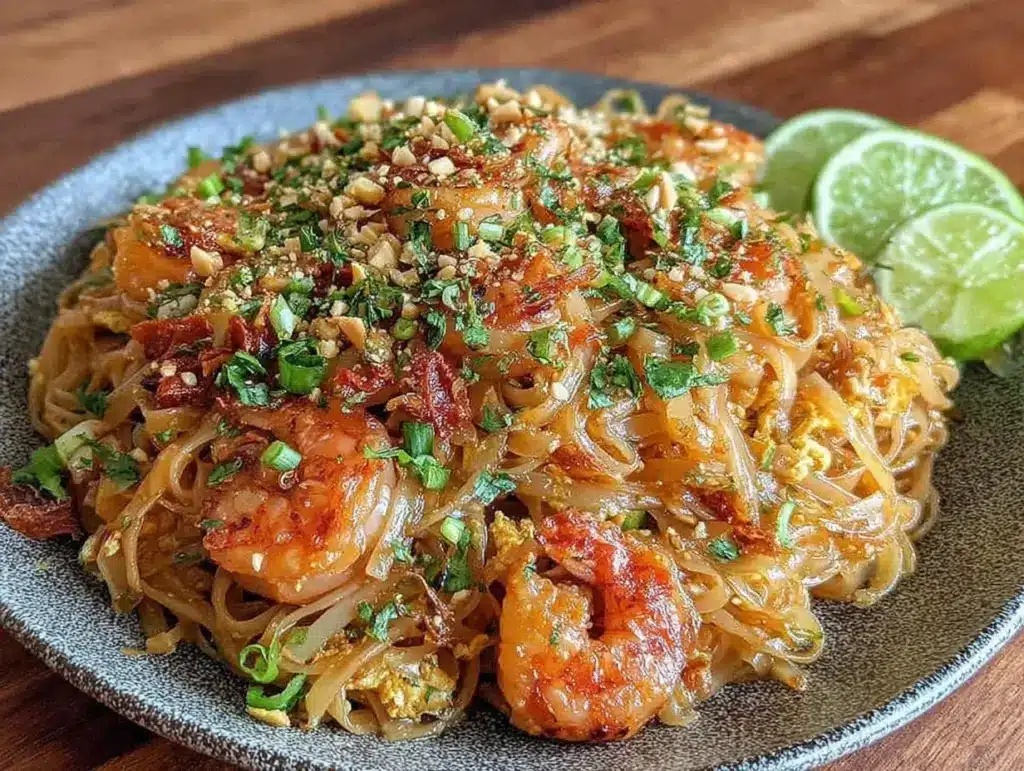
It was one of those evenings when the fridge looked a little bare, and I was too tired to hit the grocery store after a long day. Honestly, I wasn’t expecting much, but I spotted a packet of rice noodles and some frozen shrimp tucked in the back. I’d been craving something tangy and a bit spicy, and that’s when the idea of shrimp pad thai popped into my head. I wasn’t sure if my quick tamarind sauce would come together, but to my surprise, it did—and it was bursting with flavor.
The kitchen filled with the sweet, sour, and savory aroma that only tamarind can deliver. I remember thinking, “This might actually be better than takeout.” There’s something about the zesty tamarind sauce that makes shrimp pad thai feel special without hours of fuss. It’s a recipe I’ve made more times than I can count since that night, perfect for nights when you want that restaurant vibe but with your own homemade touch.
What stuck with me was how the shrimp soaked up the sauce, and the noodles had just the right chewy bite. Honestly, it’s the kind of meal that makes you pause, close your eyes, and savor every bite. For me, this flavorful shrimp pad thai with zesty tamarind sauce is more than dinner—it’s a little moment of happy calm in a hectic day.
Why You’ll Love This Recipe
- Quick & Easy: Ready in under 30 minutes, it’s perfect for busy weeknights when you want something satisfying fast.
- Simple Ingredients: Uses pantry staples and a few fresh items—no need for exotic or hard-to-find products.
- Perfect for Any Occasion: Whether it’s a casual dinner or impressing friends with your cooking chops, this recipe fits the bill.
- Crowd-Pleaser: The balance of sweet, sour, and spicy flavors makes it a hit with both kids and adults alike.
- Unbelievably Delicious: The zesty tamarind sauce brings a lively tang that makes every mouthful memorable.
- This isn’t just another pad thai recipe. The homemade tamarind sauce blends fresh lime, fish sauce, and palm sugar for a perfect harmony of flavors. It’s that little extra that sets this apart from bottled sauces or the usual takeout fare.
- It’s comfort food with a twist—light enough for a healthy dinner but full of big, bold flavors that make you want seconds.
What Ingredients You Will Need
This recipe uses simple, wholesome ingredients to deliver bold flavor and satisfying texture without the fuss. Most of these are pantry staples, and the fresh elements brighten everything up beautifully.
- For the Pad Thai:
- 8 oz (225 g) rice noodles, dry (thin or medium width works best)
- 12 oz (340 g) raw shrimp, peeled and deveined (medium-sized, fresh or thawed)
- 2 large eggs, lightly beaten (adds richness and texture)
- 3 cloves garlic, minced (for that punch of aroma)
- 1 cup bean sprouts, rinsed (for crunch)
- 3 green onions, sliced (freshness and mild onion flavor)
- 1/4 cup roasted peanuts, chopped (adds texture and nuttiness)
- 2 tablespoons vegetable oil or peanut oil (neutral flavor for stir-frying)
- 1 lime, cut into wedges (for serving)
- Fresh cilantro leaves (optional garnish)
- For the Zesty Tamarind Sauce:
- 3 tablespoons tamarind paste (the star ingredient—choose a good-quality brand like Patak’s for authentic tang)
- 2 tablespoons fish sauce (adds salty umami; can swap with soy sauce for a vegetarian version)
- 2 tablespoons palm sugar or brown sugar (balances the tartness)
- 1 tablespoon fresh lime juice (brightens the sauce)
- 1 teaspoon chili flakes or fresh chopped Thai chili (adjust to your spice preference)
- 1/4 cup water (to loosen the sauce for coating noodles)
You can easily substitute almond flour rice noodles with gluten-free ones if needed. For the shrimp, wild-caught tends to have a better flavor but frozen works just fine when fresh isn’t available. If tamarind paste is tricky to find, tamarind concentrate diluted with water can be a good alternative.
Equipment Needed
- Large pot for boiling noodles – a wide pot helps noodles cook evenly.
- Large non-stick skillet or wok – a wok is ideal for stir-frying at high heat, but a roomy skillet works well too.
- Mixing bowls for sauce and eggs.
- Measuring spoons and cups for accuracy.
- Colander or strainer – to drain noodles and rinse bean sprouts.
- Wooden spoon or spatula – for stirring without scratching your pan.
If you don’t have a wok, no worries! A heavy-bottomed skillet or cast iron pan can handle the heat well. I recommend seasoning your wok or pan regularly to keep it non-stick and flavorful. Budget-friendly versions of tamarind paste are available online or in Asian markets, so you don’t have to splurge to get the real deal.
Preparation Method
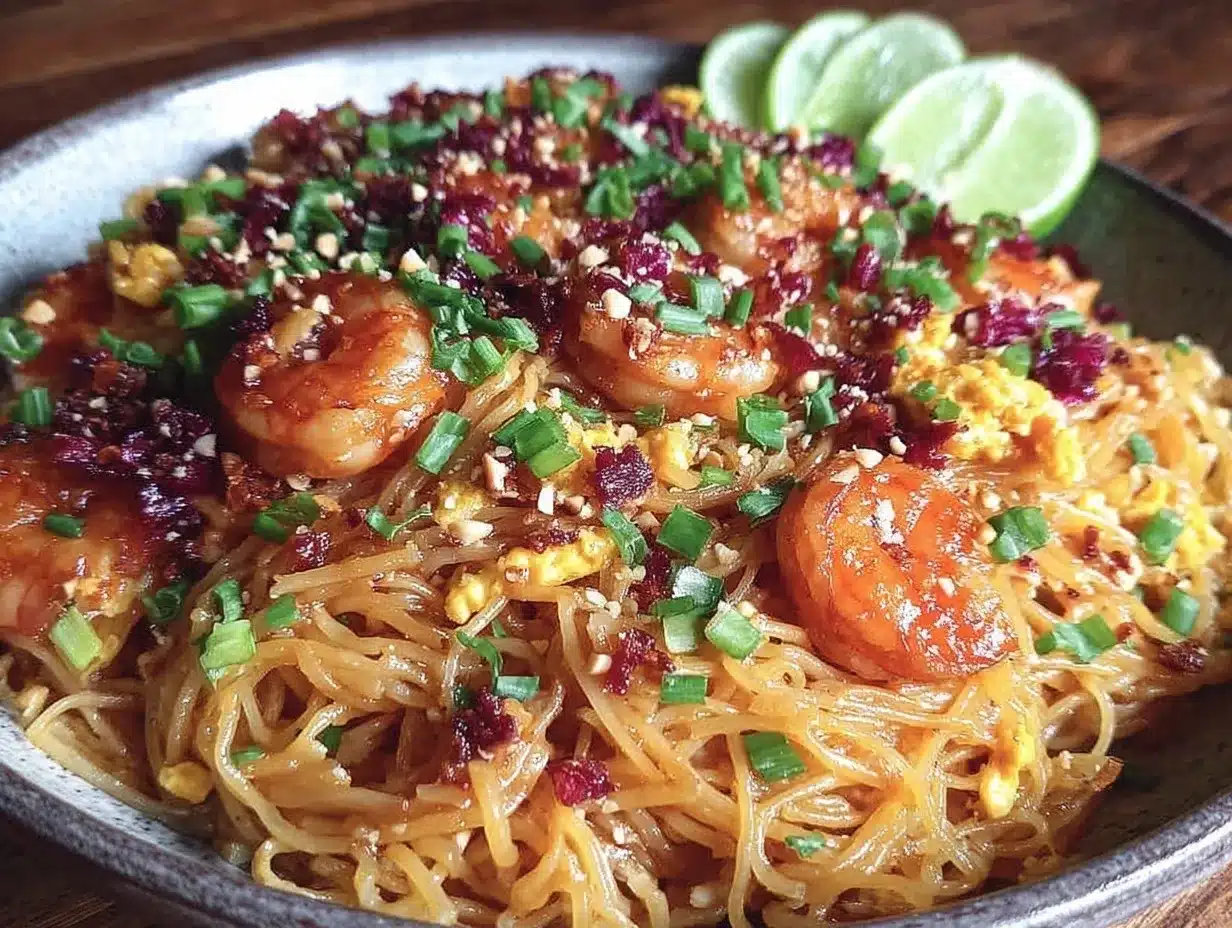
- Prepare the noodles: Soak 8 oz (225 g) of rice noodles in warm water for 20-25 minutes until pliable but still a bit firm. Drain and set aside. (Note: Don’t over-soak; they’ll cook more in the pan.)
- Make the tamarind sauce: In a small bowl, whisk together 3 tablespoons tamarind paste, 2 tablespoons fish sauce, 2 tablespoons palm sugar, 1 tablespoon fresh lime juice, 1 teaspoon chili flakes, and 1/4 cup water. Stir until sugar dissolves completely. Set aside.
- Cook the shrimp: Heat 1 tablespoon vegetable oil in a large skillet or wok over medium-high heat. Add 12 oz (340 g) shrimp and sauté for 2-3 minutes until pink and opaque. Remove shrimp and set aside. (Avoid crowding the pan to prevent steaming.)
- Scramble the eggs: In the same pan, add a little more oil if needed. Pour in beaten eggs and gently scramble until just set but still moist. Push eggs to the side of the pan.
- Stir-fry garlic and noodles: Add minced garlic to the pan and cook until fragrant (about 30 seconds). Toss in drained noodles and pour the tamarind sauce over. Use tongs or a spatula to toss everything together, stirring constantly for 2-3 minutes, until noodles are tender and evenly coated.
- Add shrimp and veggies: Return cooked shrimp to the pan, add bean sprouts and sliced green onions. Toss gently to combine and warm through for another minute. (Watch that bean sprouts stay crisp!)
- Final touches: Turn off the heat. Sprinkle chopped roasted peanuts over the top and garnish with fresh cilantro if you like. Serve immediately with lime wedges on the side.
Quick tip: If the noodles stick, add a splash of water or oil and stir gently. The smell of tamarind mixed with garlic and shrimp cooking is a sure sign you’re on the right track. Timing is key—don’t overcook the noodles or shrimp to keep that perfect bite.
Cooking Tips & Techniques
- Control your heat: Use medium-high heat for stir-frying. Too high and the sauce can burn; too low and you’ll end up steaming instead of frying.
- Prep everything first: Stir-frying moves fast, so have all your ingredients chopped and sauces ready before you start.
- Don’t over-soak noodles: They should be flexible but not mushy before cooking. Over-soaking leads to clumpy noodles.
- Use fresh shrimp: They cook quickly and bring a sweet, briny flavor that’s hard to beat. If frozen, thaw completely and pat dry to avoid excess water in the pan.
- Balance flavors: Taste your tamarind sauce before adding. Adjust lime juice or sugar if needed to get that perfect sweet-sour vibe.
- Work fast but gently: Toss noodles and ingredients quickly but avoid smashing the noodles. Use tongs to lift and mix.
- Lesson learned: The first time I made this, I added too much chili and it overwhelmed the tamarind’s brightness. Now I always add spice gradually and taste as I go.
Variations & Adaptations
- Vegetarian version: Swap shrimp for tofu cubes, and use soy sauce instead of fish sauce. Add extra veggies like bell peppers and carrots for crunch.
- Low-carb option: Replace rice noodles with spiralized zucchini or shirataki noodles. Adjust cooking time accordingly to avoid sogginess.
- Seasonal twist: In cooler months, add sautéed mushrooms or roasted butternut squash for earthiness and warmth.
- Spice level: Customize the chili amount or use fresh sliced jalapeños for a different heat profile.
- Personal favorite: I like to add a splash of toasted sesame oil at the end for a nutty aroma that complements the tamarind tang beautifully.
Serving & Storage Suggestions
Serve this shrimp pad thai piping hot, right from the pan, with lime wedges on the side to squeeze over. It pairs wonderfully with a light cucumber salad or a crisp green vegetable like steamed bok choy. For drinks, a cold Thai iced tea or a crisp white wine balances the zesty flavors.
Leftovers keep well in an airtight container in the refrigerator for up to 2 days. Reheat gently in a skillet over medium heat, adding a splash of water to loosen the noodles. Avoid microwaving if you can—it tends to dry out the shrimp and noodles. Flavors deepen after sitting overnight, so sometimes the next day’s pad thai tastes even better.
Nutritional Information & Benefits
This flavorful shrimp pad thai is a balanced meal rich in protein from shrimp and eggs, plus fiber from bean sprouts and rice noodles. Tamarind brings antioxidants and vitamin C, while lime juice adds a fresh dose of vitamin C too. The recipe is naturally gluten-free if you use certified rice noodles and tamari or gluten-free fish sauce.
Keep in mind, fish sauce contains sodium, so you might want to adjust salt in other dishes if watching sodium intake. The recipe offers a satisfying, nutrient-dense option that feels indulgent but stays light and fresh.
Conclusion
This shrimp pad thai with zesty tamarind sauce has become my go-to when I want a quick, satisfying, and flavorful meal without fuss. It hits all the right notes—sweet, sour, salty, and just a hint of spice—making it a real crowd-pleaser. What I love most is how easy it is to tweak for different tastes and occasions, yet it never loses that signature tangy charm.
Give it a try and see how a few simple ingredients can create something so memorable. Feel free to play with the spice or add your favorite veggies. I’d love to hear how you make it your own—drop a comment or share your twists. Here’s to many cozy, delicious dinners with this recipe in your kitchen!
FAQs
Can I use frozen shrimp for this recipe?
Yes, just make sure to thaw the shrimp completely and pat them dry to avoid excess moisture in the pan.
What if I can’t find tamarind paste?
You can substitute with tamarind concentrate diluted with water or use a mix of lime juice and a bit of brown sugar for a similar tang.
Can I make pad thai without fish sauce?
Absolutely! Use soy sauce or tamari for a vegetarian or vegan-friendly alternative, but expect a slightly different umami flavor.
How do I prevent the noodles from sticking together?
Soak them just until pliable, toss with a bit of oil after draining, and stir-fry quickly over high heat to keep them separate.
Is this recipe spicy?
The spice level is mild to moderate but adjustable by adding more or less chili flakes or fresh chili peppers based on your preference.
Pin This Recipe!
Flavorful Shrimp Pad Thai Recipe Easy Homemade Zesty Tamarind Sauce

A quick and easy shrimp pad thai recipe featuring a zesty homemade tamarind sauce that balances sweet, sour, and spicy flavors for a delicious and satisfying meal.
- Prep Time: 10 minutes
- Cook Time: 15 minutes
- Total Time: 25 minutes
- Yield: 3-4 servings 1x
- Category: Main Course
- Cuisine: Thai
Ingredients
- 8 oz (225 g) rice noodles, dry (thin or medium width works best)
- 12 oz (340 g) raw shrimp, peeled and deveined (medium-sized, fresh or thawed)
- 2 large eggs, lightly beaten
- 3 cloves garlic, minced
- 1 cup bean sprouts, rinsed
- 3 green onions, sliced
- 1/4 cup roasted peanuts, chopped
- 2 tablespoons vegetable oil or peanut oil
- 1 lime, cut into wedges
- Fresh cilantro leaves (optional garnish)
- 3 tablespoons tamarind paste
- 2 tablespoons fish sauce
- 2 tablespoons palm sugar or brown sugar
- 1 tablespoon fresh lime juice
- 1 teaspoon chili flakes or fresh chopped Thai chili
- 1/4 cup water
Instructions
- Soak 8 oz (225 g) of rice noodles in warm water for 20-25 minutes until pliable but still a bit firm. Drain and set aside.
- In a small bowl, whisk together 3 tablespoons tamarind paste, 2 tablespoons fish sauce, 2 tablespoons palm sugar, 1 tablespoon fresh lime juice, 1 teaspoon chili flakes, and 1/4 cup water until sugar dissolves completely. Set aside.
- Heat 1 tablespoon vegetable oil in a large skillet or wok over medium-high heat. Add 12 oz (340 g) shrimp and sauté for 2-3 minutes until pink and opaque. Remove shrimp and set aside.
- In the same pan, add a little more oil if needed. Pour in beaten eggs and gently scramble until just set but still moist. Push eggs to the side of the pan.
- Add minced garlic to the pan and cook until fragrant (about 30 seconds). Toss in drained noodles and pour the tamarind sauce over. Toss everything together, stirring constantly for 2-3 minutes, until noodles are tender and evenly coated.
- Return cooked shrimp to the pan, add bean sprouts and sliced green onions. Toss gently to combine and warm through for another minute.
- Turn off the heat. Sprinkle chopped roasted peanuts over the top and garnish with fresh cilantro if desired. Serve immediately with lime wedges on the side.
Notes
Do not over-soak noodles to avoid mushiness. Use medium-high heat for stir-frying to prevent steaming or burning. Adjust chili flakes gradually to control spice level. Use fresh shrimp for best flavor and texture. Leftovers keep well refrigerated for up to 2 days; reheat gently in a skillet with a splash of water.
Nutrition
- Serving Size: Approximately 1 cup
- Calories: 350
- Sugar: 8
- Sodium: 900
- Fat: 15
- Saturated Fat: 3
- Carbohydrates: 35
- Fiber: 2
- Protein: 25
Keywords: shrimp pad thai, tamarind sauce, easy pad thai, homemade pad thai, Thai noodles, quick dinner, zesty sauce, stir-fry shrimp