Introduction
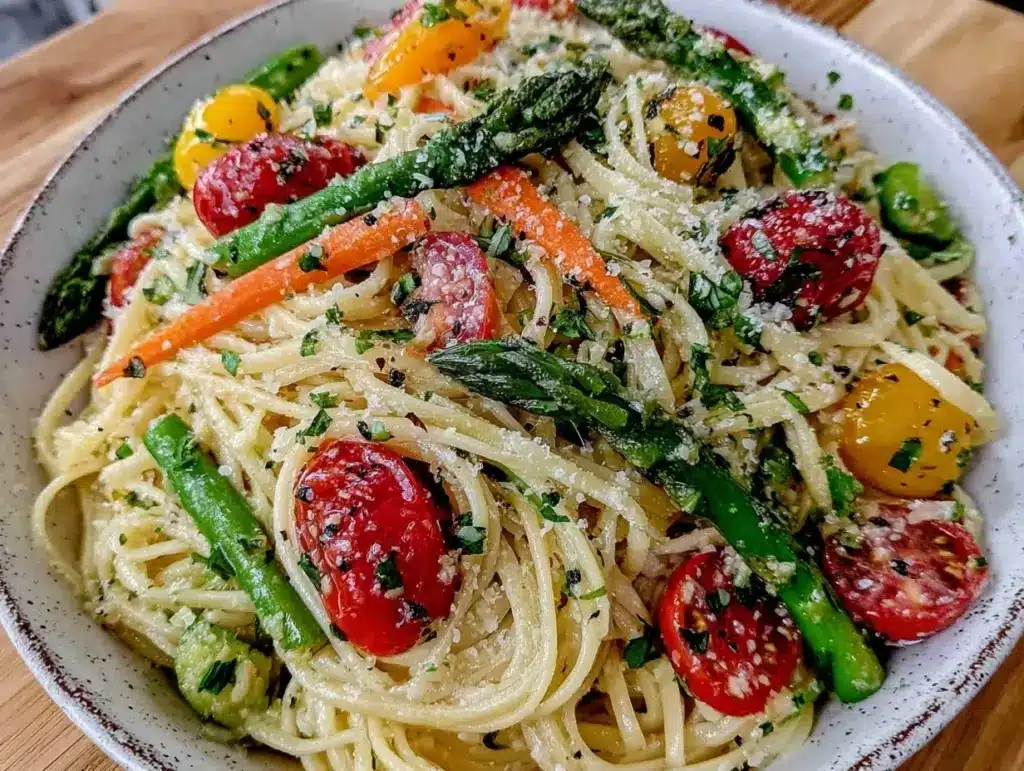
Last spring, I found myself staring at a fridge full of vibrant greens and a box of pasta I’d meant to use weeks ago. Honestly, I wasn’t in the mood for anything complicated—just something fresh, light, and quick. So I tossed together some of the freshest herbs from my tiny balcony garden, grabbed a handful of crisp veggies, and threw it all into a pan with pasta. To my surprise, that simple mix turned into one of the best meals I’d had in ages. The bright, herbal notes paired with the snap of perfectly cooked vegetables felt like a mini celebration of the season in every bite. You know those dishes that seem like they should be more work than they actually are? This Fresh Herb Pasta Primavera with Crisp-Tender Veggies is exactly that. It became my go-to when I wanted dinner that felt thoughtful but didn’t steal my evening.
What sticks with me about this recipe is how the fresh herbs really transform the dish. It’s not just pasta with veggies; it’s a lively, aromatic experience that makes you pause and appreciate the simple things. Plus, the texture contrast—tender pasta against those snap-worthy veggies—keeps it interesting bite after bite. This recipe isn’t about fuss or fluff; it’s about honest, fresh flavors and a bit of kitchen joy that anyone can grab on a busy night. It’s the kind of meal that quietly convinces you to keep that basil pot on your windowsill.
Why You’ll Love This Recipe
- Quick & Easy: Ready in under 30 minutes, perfect for those evenings when time’s tight.
- Simple Ingredients: Uses everyday pantry staples and fresh herbs you might already have on hand.
- Perfect for Spring & Summer: Bright, fresh flavors that match the season’s vibe for brunches, light dinners, or impromptu gatherings.
- Crowd-Pleaser: Loved by kids and adults alike due to its fresh, clean taste and fun textures.
- Unbelievably Delicious: The fresh herbs add a punch of flavor that lifts the whole dish beyond basic pasta and veggies.
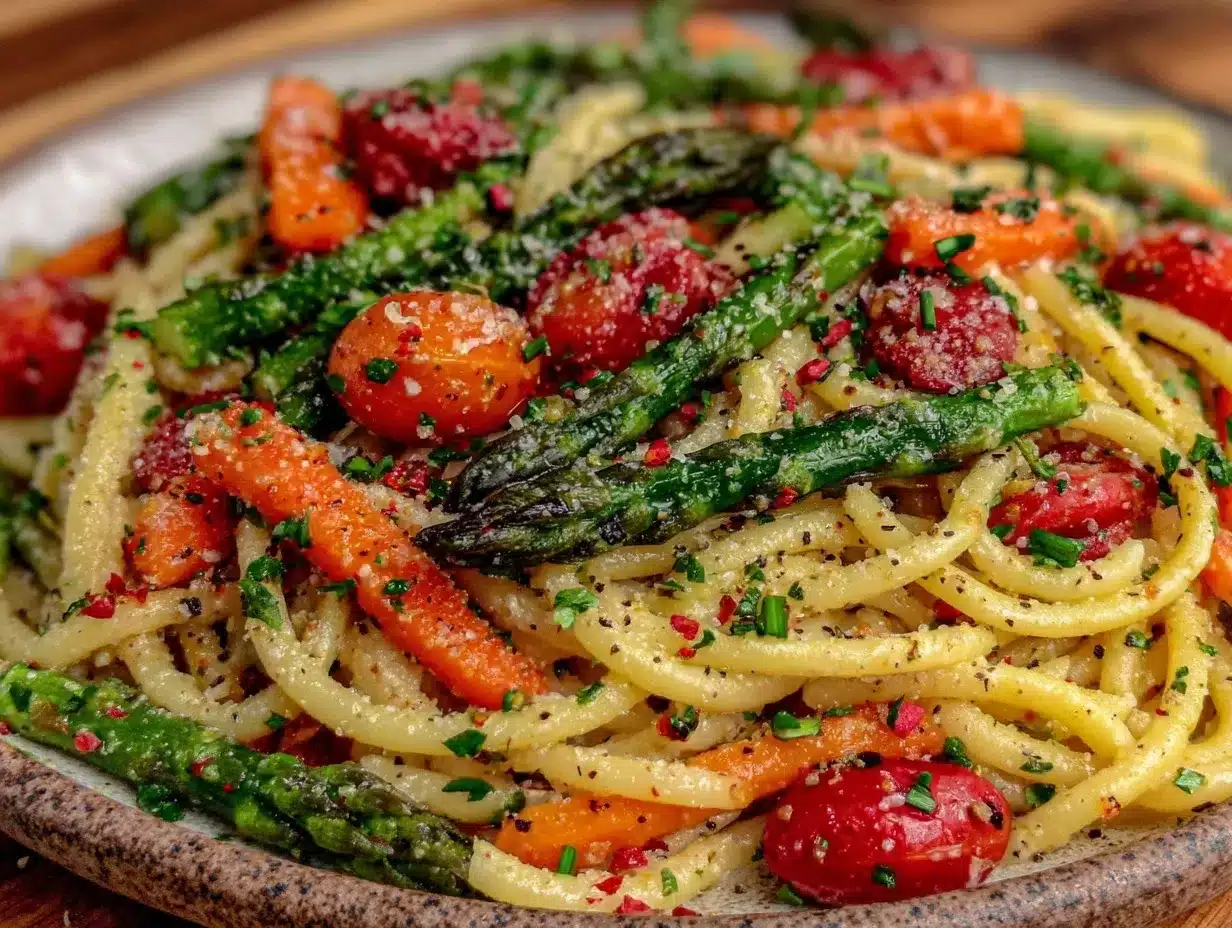
This recipe isn’t your average pasta primavera. The key difference? I blend fresh herbs right into the sauce at the end, which keeps their flavor sharp and vibrant instead of dulling down after cooking. Also, instead of overcooking the vegetables, I keep them crisp-tender—so you get a nice textural balance. Honestly, it’s a method I stumbled upon after too many mushy veggie experiences, and it’s stuck ever since.
There’s something about this dish that makes you close your eyes and savor the freshness after the first bite. It’s straightforward comfort with a lively twist—perfect for those moments when you want a healthy meal but also crave a bit of indulgence without the guilt.
What Ingredients You Will Need
This recipe uses simple, wholesome ingredients to deliver bold flavor and satisfying texture without the fuss. Most are pantry staples, with fresh herbs and crisp veggies giving it that springtime punch.
- Pasta: 12 oz (340 g) of your favorite pasta shape—I prefer penne or farfalle for their bite-friendly size.
- Olive Oil: 3 tablespoons, extra virgin for a fruity undertone.
- Garlic: 3 cloves, minced (adds a warm aromatic base).
- Yellow Bell Pepper: 1 medium, sliced into thin strips (for sweetness and color).
- Asparagus: 1 bunch (about 12 spears), trimmed and cut into 2-inch pieces (seasonal and fresh).
- Cherry Tomatoes: 1 cup, halved (bursting sweetness and juiciness).
- Snap Peas: 1 cup, ends trimmed (crisp texture and mild sweetness).
- Fresh Basil: 1/2 cup, roughly chopped (freshness and a little peppery punch).
- Fresh Parsley: 1/4 cup, finely chopped (bright herbaceous notes).
- Parmesan Cheese: 1/2 cup, grated (optional but adds umami richness).
- Salt & Pepper: To taste, freshly ground black pepper preferred.
- Lemon Zest: From 1 lemon (adds a fresh zing).
Ingredient Tips: I like to use De Cecco pasta for the perfect al dente texture. For the veggies, choose firm asparagus and bright green snap peas—freshness makes a huge difference here. If you can’t find snap peas, green beans work well as a substitute. For a dairy-free twist, swap Parmesan with nutritional yeast or omit it altogether.
Equipment Needed
- Large pot for boiling pasta
- Large skillet or sauté pan
- Colander or strainer
- Knife and cutting board
- Measuring spoons and cups
- Wooden spoon or spatula
- Optional: Microplane zester for lemon zest
If you don’t have a large skillet, a wide sauté pan works just as well. When it comes to draining pasta, a colander is easiest, but you can use tongs to transfer pasta directly from pot to pan if you want to save a step. I keep a small bowl nearby to reserve some pasta water—that little trick helps bind the sauce beautifully. For zesting, a microplane makes life simple, but a fine grater or even a sharp paring knife will do in a pinch.
Preparation Method
- Cook the Pasta: Bring a large pot of salted water to a boil. Add 12 oz (340 g) pasta and cook according to package instructions until al dente, about 8-10 minutes. Reserve 1 cup of pasta water, then drain the pasta and set aside.
- Prep the Veggies: While pasta cooks, trim and slice the asparagus into 2-inch pieces. Slice the yellow bell pepper into thin strips. Halve the cherry tomatoes and trim the snap peas.
- Sauté Aromatics: Heat 3 tablespoons olive oil in a large skillet over medium heat. Add minced garlic and sauté for about 1 minute until fragrant but not browned.
- Cook Veggies: Add asparagus and bell pepper to the skillet. Sauté for 3-4 minutes, stirring occasionally, until they start to soften but remain crisp-tender.
- Add Snap Peas & Tomatoes: Toss in snap peas and cherry tomatoes. Cook for another 2 minutes. The veggies should be bright, slightly tender, but still crunchy.
- Combine Pasta & Veggies: Add the drained pasta to the skillet with veggies. Toss gently to combine.
- Add Herbs & Finish: Remove skillet from heat. Stir in 1/2 cup chopped fresh basil, 1/4 cup chopped fresh parsley, and lemon zest. If the mixture feels dry, add reserved pasta water a few tablespoons at a time until you reach a light sauce consistency.
- Season & Serve: Season with salt and freshly ground black pepper to taste. Sprinkle with 1/2 cup grated Parmesan if using. Serve immediately for best texture and flavor.
Pro Tip: Don’t overcook the veggies! The goal is crisp-tender, so keep an eye on color and texture as they cook. The lemon zest added at the end really brightens everything up, so don’t skip it. If you want to speed things up, prep veggies while the pasta boils.
Cooking Tips & Techniques
One of the biggest challenges with pasta primavera is keeping the veggies from turning mushy. I learned the hard way that timing is everything here. Start with the denser veggies like asparagus and bell pepper first, then add the more delicate ones later. That way, everything finishes at the same time with perfect texture.
Using a generous amount of olive oil helps coat the pasta and veggies, giving the dish a silky mouthfeel without a heavy sauce. Also, saving some pasta water is a game changer—it helps bind everything together naturally without adding cream or butter, making the dish lighter but still luscious.
When stirring in fresh herbs, always do it off the heat. Heat dulls their brightness, and you want that fresh, vibrant flavor to pop. I’ve tried adding herbs right into the pan while cooking, and honestly, it just doesn’t sing the same way.
Lastly, don’t skimp on seasoning. Pasta and veggies can feel bland if under-salted. Taste as you go, and season gradually. A little freshly cracked black pepper at the end adds a nice peppery kick that rounds out the flavors.
Variations & Adaptations
- Gluten-Free: Swap the pasta for a gluten-free variety—brown rice or chickpea pasta works well.
- Protein Boost: Add grilled chicken, shrimp, or sautéed tofu for a more filling meal.
- Seasonal Veggies: Swap asparagus and snap peas for zucchini, broccoli florets, or green beans depending on the season.
- Dairy-Free: Omit Parmesan or use a vegan cheese alternative. Nutritional yeast adds a cheesy flavor without dairy.
- Spicy Twist: Add red pepper flakes when sautéing garlic for a subtle heat that complements the herbs.
One variation I keep coming back to is adding a handful of baby arugula right at the end for a peppery bite that plays well with the sweet veggies. Sometimes I toss in a few toasted pine nuts for crunch. It’s a small touch but makes a big difference.
Serving & Storage Suggestions
Serve this Fresh Herb Pasta Primavera warm, right off the stove. It pairs beautifully with a crisp white wine or sparkling water with lemon. For a light meal, enjoy as is; for a heartier spread, add a side of garlic bread or a simple mixed green salad.
Leftovers keep well in the fridge for up to 3 days. Store in an airtight container. When reheating, add a splash of water or olive oil to loosen the pasta and avoid drying out. Reheat gently on the stovetop or in the microwave at medium power.
Interestingly, the flavors deepen slightly after resting, making leftovers a tasty option for next-day lunches. The herbs mellow but remain fresh, and the veggies keep a pleasant bite if not overcooked initially.
Nutritional Information & Benefits
This pasta primavera is a balanced dish with complex carbs, fiber-rich veggies, and healthy fats from olive oil. A typical serving provides roughly 400-450 calories, with about 12 grams of protein and 8 grams of fiber, depending on the pasta used.
The fresh herbs—basil and parsley—add antioxidants and vitamins A and C, enhancing the dish’s nutritional profile. Asparagus contributes folate and vitamin K, while snap peas supply vitamin C and other micronutrients.
For those watching carbs, using whole-grain or legume-based pasta lowers the glycemic impact. The recipe is naturally vegetarian and can be made vegan by skipping cheese. It’s free from common allergens like nuts and soy unless you add variations.
From a wellness perspective, it’s a satisfying way to get a rainbow of veggies on your plate without feeling like a chore.
Conclusion
This Fresh Herb Pasta Primavera with Crisp-Tender Veggies is kind of like a little fresh-air break in your day. It’s simple but thoughtful, with enough personality to feel special while staying easy enough for any night of the week. I love how it’s so adaptable—whether you’re cooking solo or feeding a crowd, it fits the bill.
The combination of fresh herbs and perfectly cooked vegetables keeps me coming back, especially when I want something that’s nourishing but not complicated. Give it a shot, tweak it to your taste, and see how it fits into your routine. I’m pretty sure it’ll become one of those dishes you quietly rely on for a quick, satisfying meal.
Feel free to share your variations or questions—I’m always curious how others spin this one.
FAQs
Can I use dried herbs instead of fresh for this pasta primavera?
While fresh herbs really make the dish pop, you can use dried herbs in a pinch. Use about one-third of the fresh amount and add them earlier in the cooking to allow flavors to develop.
What’s the best way to keep the veggies crisp-tender?
Cook denser vegetables first and add more delicate ones later. Avoid overcooking by sautéing over medium heat and tasting as you go. The goal is bright color and slight crunch.
Can I make this pasta primavera ahead of time?
You can prep the veggies and cook the pasta ahead, but it’s best to combine and season just before serving to maintain freshness and texture.
Is this recipe suitable for vegans?
Yes! Simply omit the Parmesan or use a vegan cheese alternative to keep it vegan-friendly.
What pasta shapes work best for this recipe?
Short, sturdy pasta like penne, farfalle, or rigatoni works great for holding the veggies and sauce. But feel free to use your favorite shape.
Pin This Recipe!
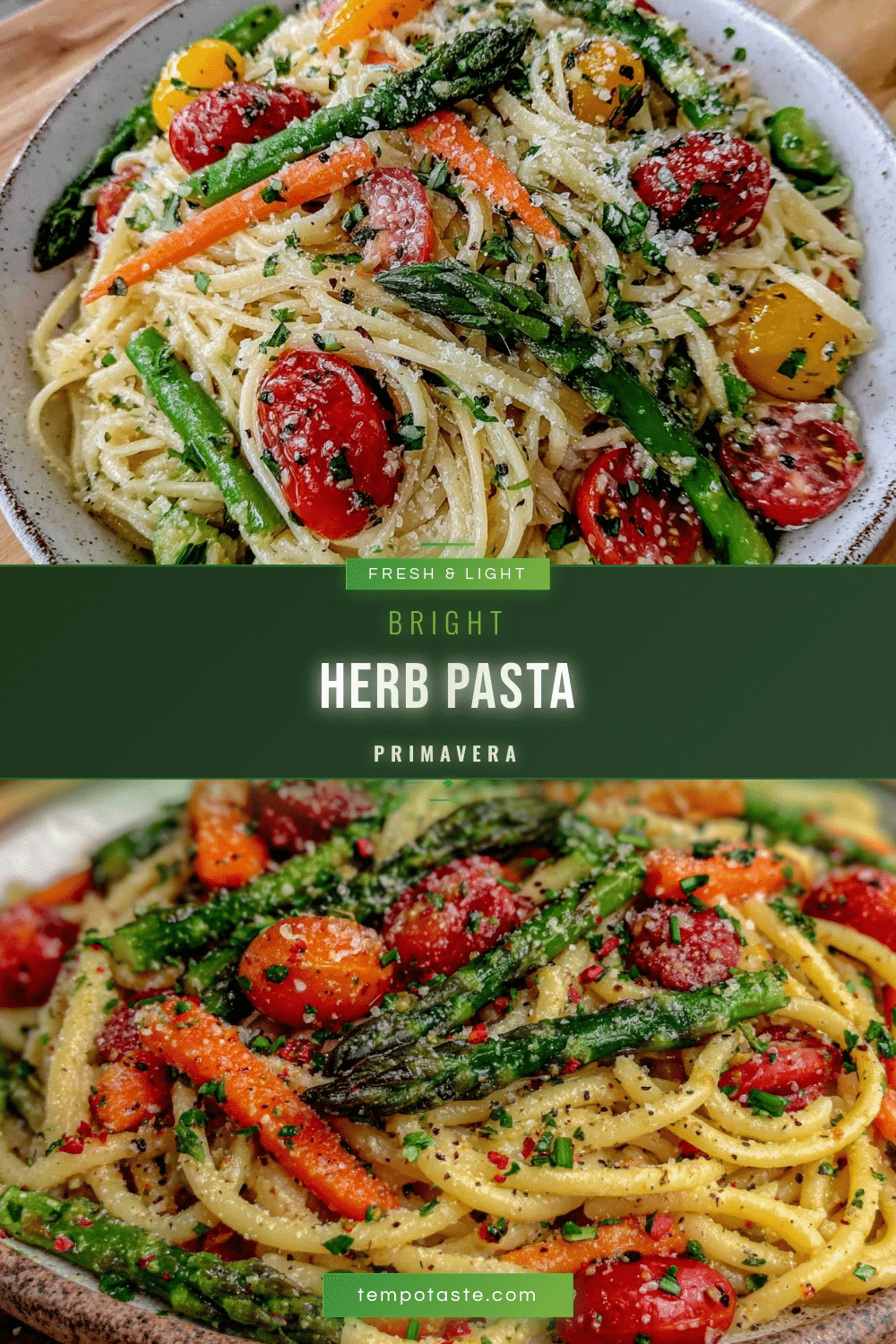
Fresh Herb Pasta Primavera Recipe with 5 Easy Crisp-Tender Veggies

A quick, fresh, and light pasta primavera featuring crisp-tender vegetables and vibrant fresh herbs, perfect for spring and summer meals.
- Prep Time: 10 minutes
- Cook Time: 15 minutes
- Total Time: 25 minutes
- Yield: 4 servings 1x
- Category: Main Course
- Cuisine: Italian
Ingredients
- 12 oz (340 g) pasta (penne or farfalle preferred)
- 3 tablespoons extra virgin olive oil
- 3 cloves garlic, minced
- 1 medium yellow bell pepper, sliced into thin strips
- 1 bunch asparagus (about 12 spears), trimmed and cut into 2-inch pieces
- 1 cup cherry tomatoes, halved
- 1 cup snap peas, ends trimmed
- 1/2 cup fresh basil, roughly chopped
- 1/4 cup fresh parsley, finely chopped
- 1/2 cup grated Parmesan cheese (optional)
- Salt and freshly ground black pepper to taste
- Lemon zest from 1 lemon
Instructions
- Bring a large pot of salted water to a boil. Add 12 oz (340 g) pasta and cook according to package instructions until al dente, about 8-10 minutes. Reserve 1 cup of pasta water, then drain the pasta and set aside.
- While pasta cooks, trim and slice the asparagus into 2-inch pieces. Slice the yellow bell pepper into thin strips. Halve the cherry tomatoes and trim the snap peas.
- Heat 3 tablespoons olive oil in a large skillet over medium heat. Add minced garlic and sauté for about 1 minute until fragrant but not browned.
- Add asparagus and bell pepper to the skillet. Sauté for 3-4 minutes, stirring occasionally, until they start to soften but remain crisp-tender.
- Toss in snap peas and cherry tomatoes. Cook for another 2 minutes. The veggies should be bright, slightly tender, but still crunchy.
- Add the drained pasta to the skillet with veggies. Toss gently to combine.
- Remove skillet from heat. Stir in 1/2 cup chopped fresh basil, 1/4 cup chopped fresh parsley, and lemon zest. If the mixture feels dry, add reserved pasta water a few tablespoons at a time until you reach a light sauce consistency.
- Season with salt and freshly ground black pepper to taste. Sprinkle with 1/2 cup grated Parmesan if using. Serve immediately for best texture and flavor.
Notes
Do not overcook the vegetables; keep them crisp-tender for the best texture. Add fresh herbs off the heat to preserve their vibrant flavor. Reserve some pasta water to adjust sauce consistency. For dairy-free, omit Parmesan or use nutritional yeast. Gluten-free pasta can be substituted as needed.
Nutrition
- Serving Size: 1 serving (about 1/4
- Calories: 425
- Sugar: 7
- Sodium: 250
- Fat: 14
- Saturated Fat: 2
- Carbohydrates: 60
- Fiber: 8
- Protein: 12
Keywords: pasta primavera, fresh herbs, spring vegetables, quick pasta recipe, vegetarian pasta, healthy dinner, crisp-tender veggies