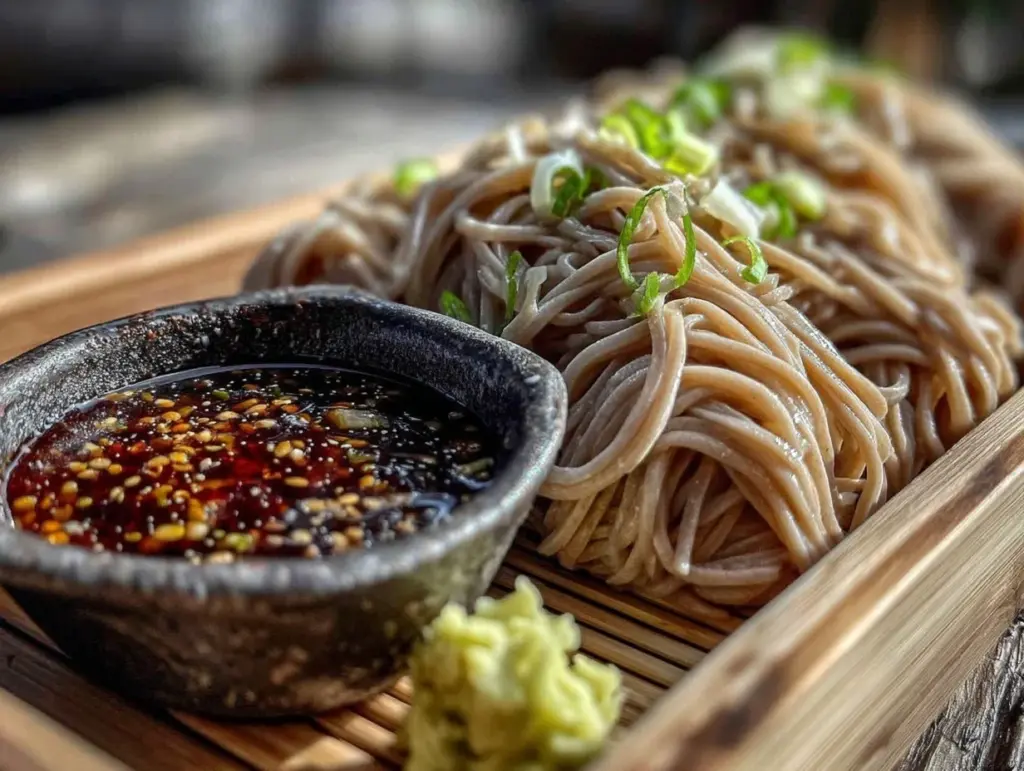
“Hey, want to try something cool and seriously refreshing?” my coworker texted me on one unbearably hot afternoon. I was already dreaming of air conditioning and anything that wasn’t a microwaved meal. She swore by this chilled soba noodle dish she’d picked up during a recent trip to Japan. At first, I was skeptical—cold noodles? Sounds odd, right? But honestly, one bite and I was hooked. The way those thin buckwheat noodles slid so smoothly, paired with a dipping sauce that was tangy, salty, and just a little sweet, was like a little vacation on my plate.
I kept making this refreshing Japanese chilled soba noodles with dipping sauce over and over that summer, especially after chaotic workdays when I didn’t want to spend ages cooking. It’s light but satisfying, which is exactly what I needed when the kitchen felt like a sauna. Plus, it’s a nice change from my usual go-to recipes, like the crispy keto Fathead pizza crust I make on weekends.
What really stuck with me was how simple it was to throw together this dish without compromising on flavor or texture. The cold noodles with the dipping sauce created this cool contrast that felt like a reset button for my taste buds. I guess sometimes the best recipes aren’t complicated—they just hit the right notes, and this one really does. It’s the kind of recipe that I trust to bring a bit of calm and refreshment any day of the week.
Why You’ll Love This Recipe
After countless tries and tweaks, this Japanese chilled soba noodles with dipping sauce recipe has become one of my absolute favorites for so many reasons. Here’s why you’ll want to have it in your rotation too:
- Quick & Easy: Ready in under 20 minutes, it’s perfect for busy weeknights or when you want something light and satisfying without fuss.
- Simple Ingredients: No fancy or hard-to-find items—just pantry staples and fresh basics you probably already have, like soy sauce and green onions.
- Perfect for Warm Weather: This dish offers a cool, refreshing break from heavy meals, ideal for summer lunches or potlucks when you want to impress without sweating over the stove.
- Crowd-Pleaser: Whether you’re serving friends or family, this recipe gets rave reviews, even from those who usually shy away from Japanese dishes.
- Unbelievably Delicious: The dipping sauce’s balance of salty, sweet, and umami flavors combined with the firm, nutty soba noodles creates a satisfying and comforting mouthfeel.
This recipe isn’t just a copycat version of the usual chilled soba you find around—it’s my best take after testing different soy sauces, dashi stocks, and even playing with the noodle texture. The dipping sauce has a subtle hit of ginger and a tiny splash of mirin that gives it that authentic, deep flavor without overpowering the noodles.
Honestly, it’s the kind of meal that makes you pause and appreciate how simple ingredients can come together in a way that feels truly special. Whether you’re craving a light lunch or a no-fuss dinner, this is a recipe that’ll quietly win you over.
What Ingredients You Will Need
This recipe keeps things straightforward with a handful of wholesome ingredients that work together beautifully to deliver bold flavor and satisfying texture without any fuss. The ingredients are mostly pantry staples, with just a few fresh touches.
- Soba Noodles: 8 oz (225g) dried 100% buckwheat soba noodles (I prefer brands like Hakubaku for their firm texture)
- For the Dipping Sauce (Mentsuyu):
- 1 cup (240ml) dashi stock (homemade or store-bought for convenience)
- 1/4 cup (60ml) soy sauce (use low-sodium if preferred)
- 2 tbsp (30ml) mirin (Japanese sweet rice wine)
- 1 tbsp (15g) sugar (adjust to taste)
- 1 tsp (5g) grated fresh ginger (adds a gentle warmth)
- Garnishes:
- 2 green onions, thinly sliced
- 1 tbsp (5g) toasted sesame seeds
- Wasabi paste or grated daikon radish (optional, for a little kick)
- Nori strips (optional, for extra umami)
For substitution tips, you can swap regular soy sauce with tamari for a gluten-free option. Likewise, if you don’t have dashi, a light vegetable broth with a splash of soy sauce can work, though it won’t have quite the same depth. In summer, fresh cucumber slices or shredded shiso leaves make a lovely garnish addition to keep things bright.
Equipment Needed
- Large pot for boiling soba noodles
- Fine-mesh strainer or colander (to rinse noodles thoroughly)
- Mixing bowl for preparing dipping sauce
- Whisk or small spoon for stirring sauce ingredients
- Measuring cups and spoons
- Serving bowls or plates (chilled if possible for best experience)
If you don’t have a whisk, a fork works just fine for mixing the dipping sauce. I find that a fine-mesh strainer helps rinse the noodles gently, preventing breakage. For chilling, I sometimes place serving bowls in the fridge ahead of time—it adds to that cool, refreshing feeling when eating.
Preparation Method
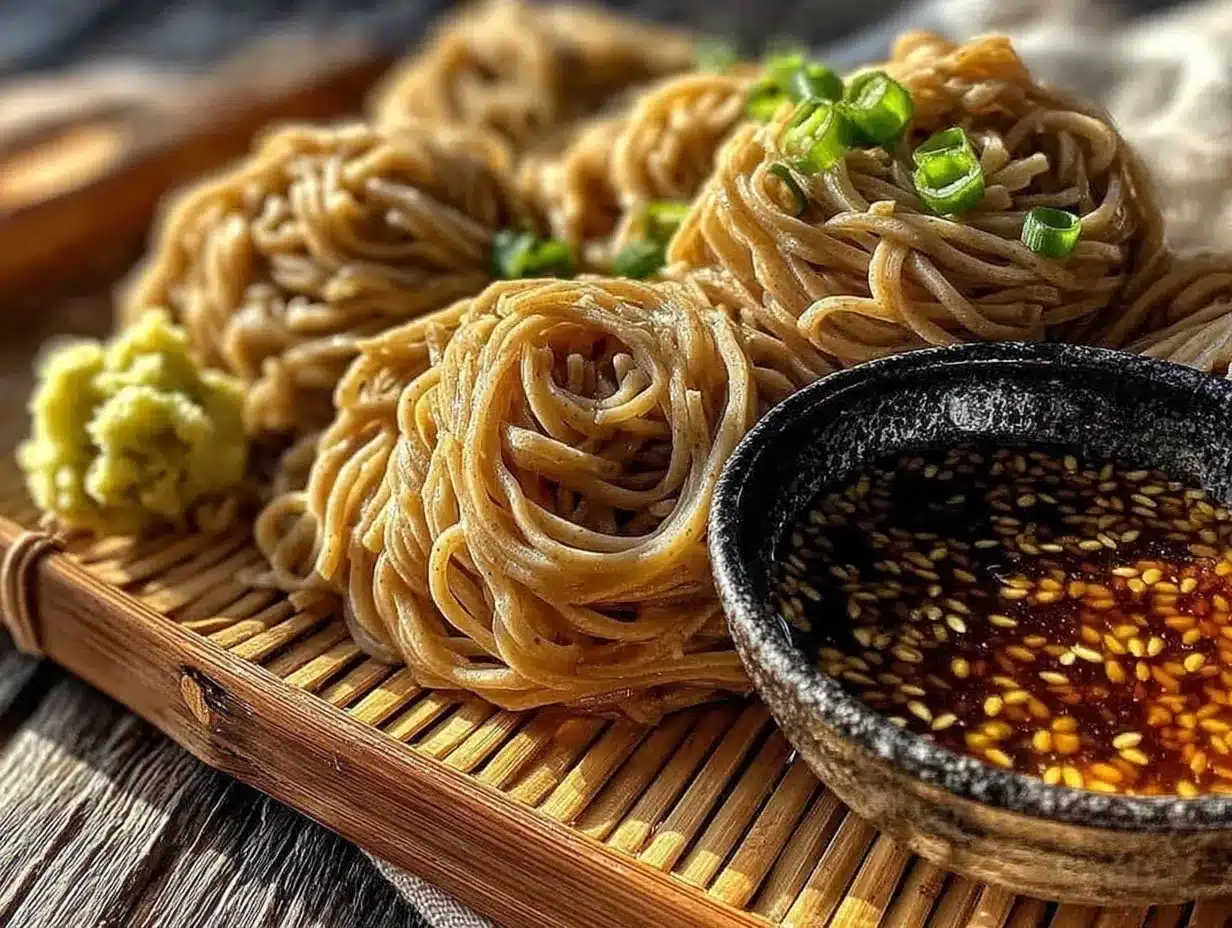
- Cook the Soba Noodles: Bring a large pot of water to a rolling boil. Add 8 oz (225g) dried soba noodles and cook for 4-5 minutes, stirring occasionally to prevent sticking. (The noodles should be just tender but still firm to the bite.)
- Rinse and Chill: Drain the noodles in a colander and immediately rinse under cold running water to wash away excess starch and stop the cooking process. Gently rub the noodles between your fingers while rinsing to ensure they don’t clump.
- Prepare the Dipping Sauce: In a small saucepan, combine 1 cup (240ml) dashi stock, 1/4 cup (60ml) soy sauce, 2 tbsp (30ml) mirin, and 1 tbsp (15g) sugar. Warm over medium heat, whisking until sugar dissolves. Remove from heat and stir in 1 tsp (5g) grated fresh ginger. Let the sauce cool to room temperature, then refrigerate until chilled (about 30 minutes).
- Assemble and Serve: Divide chilled soba noodles between serving bowls. Pour the dipping sauce into small individual dipping cups. Garnish the noodles with sliced green onions, toasted sesame seeds, and optional nori strips or wasabi paste on the side for extra flavor.
- Enjoy: Pick up a small bundle of noodles with chopsticks, dip it into the sauce, and savor the cool, umami-packed bite.
Pro tip: Rinsing the noodles thoroughly is key to preventing a gummy texture. Don’t rush this step! The dipping sauce can be made ahead and stored in the fridge for up to 3 days, making this a perfect meal prep-friendly dish.
Cooking Tips & Techniques
Getting chilled soba noodles just right takes a little know-how. Here are some tips I’ve picked up after my fair share of noodle slips and sauce mishaps:
- Don’t Overcook: Soba noodles cook quickly, so watch the clock. Overcooked noodles turn mushy and lose that lovely firm bite.
- Rinse Well: This removes excess starch that can make your noodles sticky. I like to use cold running water and gently agitate the noodles with my hands for the best rinse.
- Chill Thoroughly: Serving the noodles cold is essential — I sometimes pop mine in an ice bath for a minute after rinsing to keep them extra firm and cool.
- Balance Your Sauce: Taste the dipping sauce before chilling. If it’s too salty or sweet, adjust with a splash of water or a pinch more sugar. The ginger should be noticeable but not overpowering.
- Multitasking: While the sauce chills, prep your garnishes. Thinly sliced green onions and toasted sesame seeds add texture and freshness that elevate the whole dish.
Once, I forgot to chill the sauce and ended up with a warm dip that just didn’t hit the mark. Lesson learned: the cold sauce is part of what makes this dish so refreshing.
Variations & Adaptations
This recipe is flexible enough for different tastes and dietary needs. Here are a few ways to make it your own:
- Gluten-Free: Use 100% buckwheat soba noodles (check the label as many brands mix wheat flour). Swap soy sauce for tamari for a gluten-free dipping sauce.
- Spicy Kick: Add a dash of shichimi togarashi (Japanese seven-spice) to the dipping sauce or serve with a small dollop of spicy wasabi.
- Vegetable Add-Ins: Thin cucumber ribbons, shredded carrots, or blanched spinach make great fresh toppings that add color and crunch.
- Protein Boost: Try topping with sliced grilled chicken, tofu cubes, or even a soft-boiled egg to turn this into a more substantial meal.
- Seasonal Twist: In cooler months, enjoy the dipping sauce warmed slightly for a comforting contrast to the cold noodles.
One time, I tried this dish with a splash of yuzu juice in the sauce for a citrusy twist—totally worth experimenting if you like bright, zesty flavors. If you want to see a cozy dinner idea that pairs well with this light dish, check out the tender apple cider braised pork chops—the balance between rich and refreshing is just right.
Serving & Storage Suggestions
Serve the chilled soba noodles immediately after assembling for the best texture and temperature contrast. If you like, chill your bowls beforehand in the fridge to keep things cooler longer.
This dish pairs nicely with light sides such as pickled vegetables or a simple green salad—think crisp and fresh to complement the noodles. A cold Japanese beer or green tea also makes a great beverage choice here.
Leftovers can be stored covered in the refrigerator for up to 2 days. Keep the noodles and dipping sauce separate to avoid sogginess. When ready to eat, briefly rinse the noodles under cold water to refresh their texture. The dipping sauce is best served cold but can be warmed slightly if you prefer.
Flavors tend to mellow and deepen after resting, so this meal sometimes tastes even better the next day when the ginger and soy have had time to meld.
Nutritional Information & Benefits
Chilled soba noodles offer a light yet nutritious meal that fits well into balanced diets. Here’s an estimate per serving (serves 2):
| Calories | 320 kcal |
|---|---|
| Protein | 10g |
| Carbohydrates | 55g |
| Fat | 2g |
| Fiber | 4g |
Buckwheat soba is naturally gluten-free (if pure buckwheat) and rich in antioxidants and essential amino acids, making it a heart-healthy choice. The ginger in the dipping sauce adds anti-inflammatory benefits, while soy sauce provides umami without excess fat or calories.
For those watching sodium intake, using low-sodium soy sauce or reducing the sauce quantity can help manage salt levels. This dish is also naturally low in fat and easy to adjust for vegan or vegetarian diets by skipping animal-based dashi and opting for vegetable broth.
Conclusion
This refreshing Japanese chilled soba noodles with dipping sauce recipe is a simple, satisfying way to enjoy a light meal that feels a little special. It’s quick to make, uses mostly pantry staples, and offers a delicate balance of flavors and textures that keep you coming back for more.
Feel free to tweak the garnishes and sauce to match your mood or what you have on hand—this recipe is forgiving and adaptable. I love how it brings a peaceful pause to my busy days, a quiet moment of cool comfort that’s both nourishing and delicious.
Give it a try and let me know how you customize it! And if you want to pair it with something equally flavorful but more indulgent, the creamy white pizza with ricotta and spinach is a fantastic option that hits a different note but shares that homemade charm.
Happy cooking and enjoy every bite!
FAQs
- Can I use regular pasta instead of soba noodles? You can, but soba noodles have a unique nutty flavor and texture that makes the dish special. Whole wheat spaghetti is a decent alternative if needed.
- How do I make dashi stock at home? Traditional dashi is made with kombu (dried kelp) and bonito flakes. Simmer kombu in water, remove, then add bonito flakes, steep briefly, and strain. Instant dashi powders are also convenient.
- Can I prepare this dish ahead of time? Yes! Cook and chill the noodles and sauce separately. Combine just before serving for the best texture.
- What’s the best way to serve soba noodles? Traditionally, soba is served cold with a dipping sauce on the side, but you can also serve it in a broth as a warm noodle soup.
- Is this recipe suitable for gluten-free diets? Use 100% buckwheat soba and tamari instead of soy sauce to make it gluten-free.
Pin This Recipe!
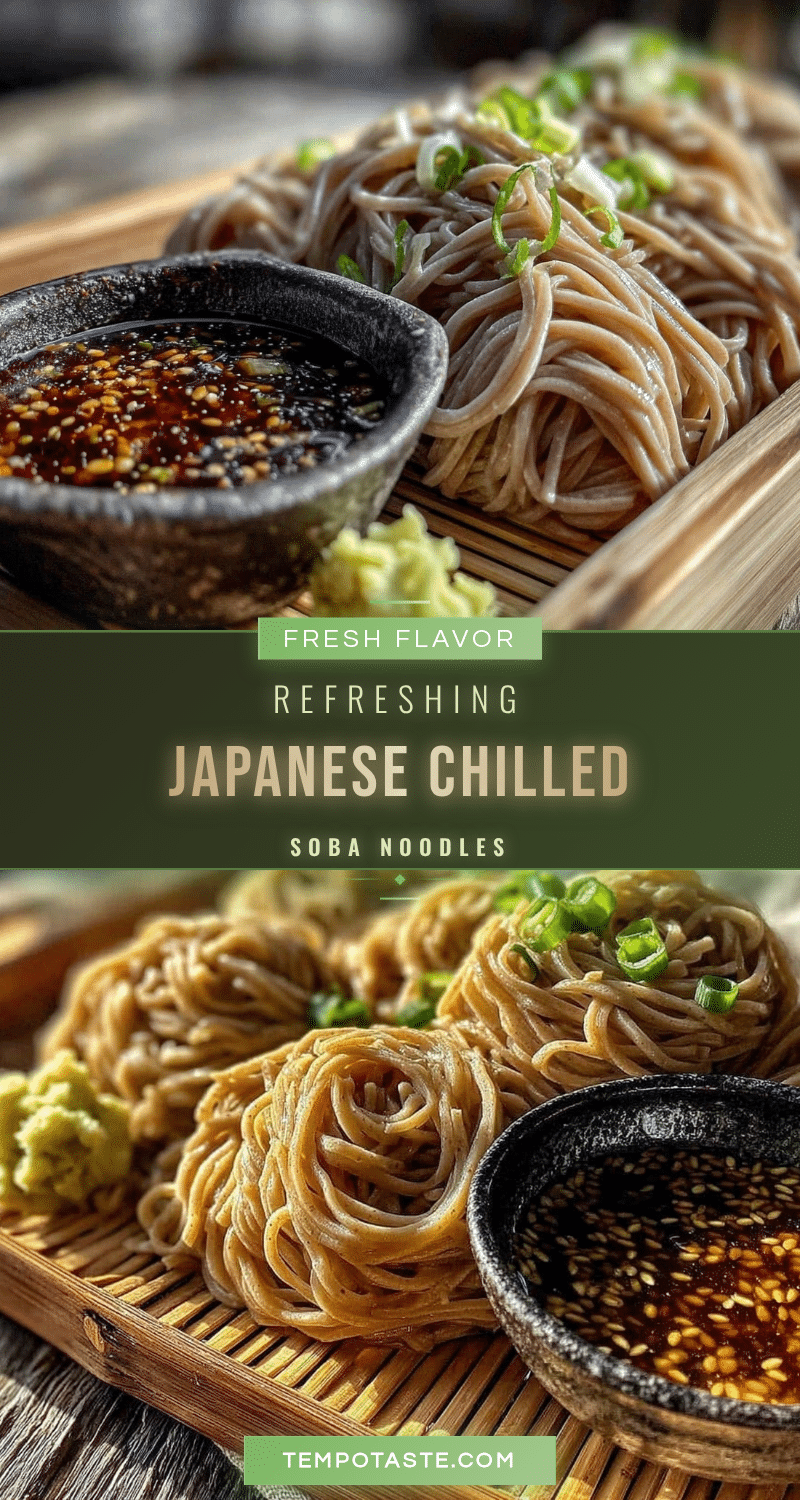
Refreshing Japanese Chilled Soba Noodles Recipe Easy Perfect Dipping Sauce

A light and satisfying chilled soba noodle dish served with a tangy, salty, and slightly sweet dipping sauce, perfect for warm weather and quick meals.
- Prep Time: 10 minutes
- Cook Time: 5 minutes
- Total Time: 20 minutes
- Yield: 2 servings 1x
- Category: Main Course
- Cuisine: Japanese
Ingredients
- 8 oz (225g) dried 100% buckwheat soba noodles
- 1 cup (240ml) dashi stock (homemade or store-bought)
- 1/4 cup (60ml) soy sauce (low-sodium preferred)
- 2 tbsp (30ml) mirin (Japanese sweet rice wine)
- 1 tbsp (15g) sugar
- 1 tsp (5g) grated fresh ginger
- 2 green onions, thinly sliced
- 1 tbsp (5g) toasted sesame seeds
- Wasabi paste or grated daikon radish (optional)
- Nori strips (optional)
Instructions
- Bring a large pot of water to a rolling boil. Add 8 oz (225g) dried soba noodles and cook for 4-5 minutes, stirring occasionally to prevent sticking. The noodles should be just tender but still firm to the bite.
- Drain the noodles in a colander and immediately rinse under cold running water to wash away excess starch and stop the cooking process. Gently rub the noodles between your fingers while rinsing to ensure they don’t clump.
- In a small saucepan, combine 1 cup (240ml) dashi stock, 1/4 cup (60ml) soy sauce, 2 tbsp (30ml) mirin, and 1 tbsp (15g) sugar. Warm over medium heat, whisking until sugar dissolves. Remove from heat and stir in 1 tsp (5g) grated fresh ginger. Let the sauce cool to room temperature, then refrigerate until chilled (about 30 minutes).
- Divide chilled soba noodles between serving bowls. Pour the dipping sauce into small individual dipping cups. Garnish the noodles with sliced green onions, toasted sesame seeds, and optional nori strips or wasabi paste on the side for extra flavor.
- Pick up a small bundle of noodles with chopsticks, dip it into the sauce, and savor the cool, umami-packed bite.
Notes
Rinse noodles thoroughly under cold water to prevent gummy texture. The dipping sauce can be made ahead and stored in the fridge for up to 3 days. For gluten-free, use tamari instead of soy sauce and ensure noodles are 100% buckwheat. Optional garnishes like wasabi, nori strips, or fresh cucumber slices add extra flavor and texture.
Nutrition
- Serving Size: 1 serving (half of t
- Calories: 320
- Sugar: 5
- Sodium: 700
- Fat: 2
- Saturated Fat: 0.3
- Carbohydrates: 55
- Fiber: 4
- Protein: 10
Keywords: chilled soba noodles, Japanese noodles, dipping sauce, summer recipe, easy soba recipe, buckwheat noodles, refreshing meal