Introduction
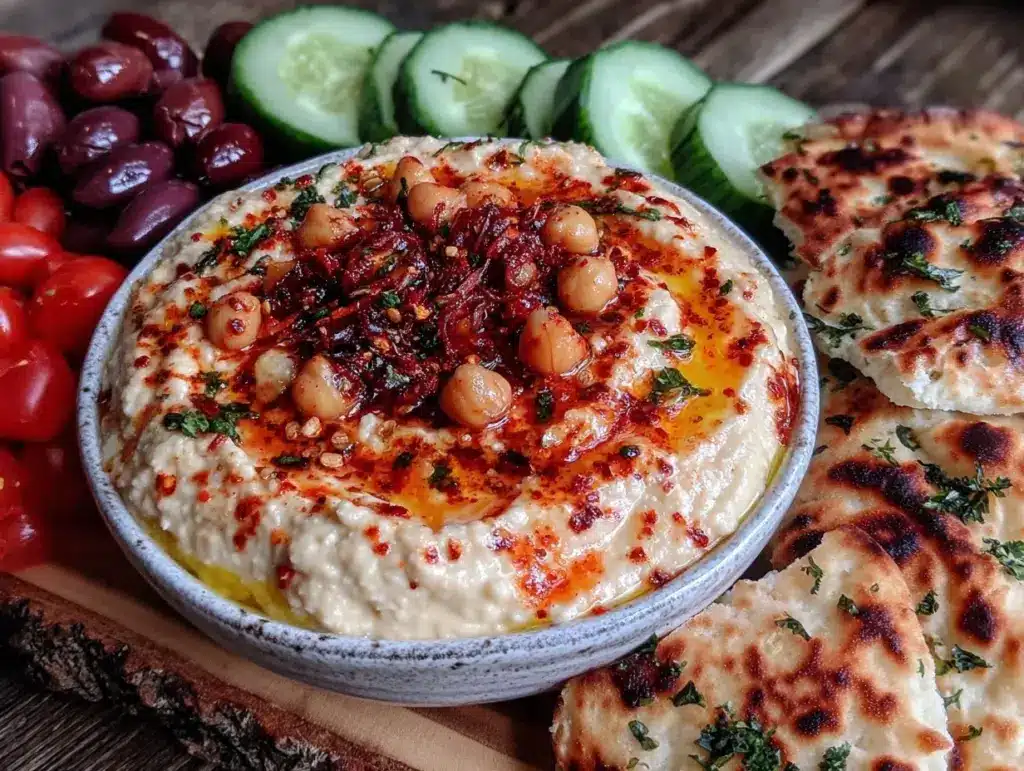
“You’ve got to try this hummus—it’s not like the store-bought stuff,” my friend said, sliding a bowl toward me over the cluttered kitchen table. Honestly, I was skeptical at first. I’d always thought hummus was just chickpeas mashed with some tahini—how different could homemade be? But the creamy texture, the bright lemon zing, and that subtle garlic warmth caught me off guard. That afternoon, as we sat nibbling on a colorful spread of olives, roasted peppers, and fresh veggies, I realized something simple like a Mediterranean mezze board could turn an ordinary day into a little celebration.
That moment stuck with me. Since then, I find myself making this fresh Mediterranean mezze board with creamy homemade hummus more often—whether for an easy weeknight snack or a casual gathering. There’s a kind of calm satisfaction in arranging those vibrant bowls, drizzling olive oil, and breaking warm pita bread. It’s not just about the food; it’s about the pause it brings—a chance to savor flavors, share stories, and slow down a bit.
What I love most is how the recipe invites you to put your own spin on it, layering in seasonal veggies or swapping out olives for marinated artichokes. It’s practical and inviting, and honestly, it’s become a go-to when I want to impress without stress. This recipe isn’t flashy or complicated, but it carries a quiet promise of good times and genuine flavor that lingers long after the last bite.
Why You’ll Love This Recipe
Having tested countless versions of Mediterranean boards and hummus recipes, this one truly stands out—not just because it’s delicious, but because it’s approachable and flexible. Here’s what makes it special:
- Quick & Easy: The creamy homemade hummus comes together in under 15 minutes, perfect for those moments when you want something tasty without fuss.
- Simple Ingredients: No need for exotic items—just pantry staples and fresh produce you can find year-round.
- Perfect for Any Occasion: Whether it’s a casual snack, a light lunch, or a party appetizer, this mezze board fits the bill beautifully.
- Crowd-Pleaser: Everyone loves a good dip, and this hummus is always the first to disappear from the table.
- Unbelievably Delicious: The silky texture combined with the tang of lemon and subtle garlic notes makes it a flavor bomb you’ll want to make again and again.
What sets my recipe apart? It’s the balance—I blend the chickpeas just right to keep it creamy without being gluey, and I add a touch of cumin and smoked paprika that gives the hummus a gentle warmth without overpowering. Plus, the mezze board brings in bright, fresh veggies and olives to cut through the richness, creating a perfect harmony.
Honestly, this recipe feels like comfort food reimagined. It’s lighter, healthier, and much more vibrant than you might expect. It’s the kind of dish that invites lingering conversations and easy smiles, making any gathering feel a little more special.
What Ingredients You Will Need
This fresh Mediterranean mezze board uses simple, wholesome ingredients to deliver bold flavors and satisfying textures without the fuss. Most of these are pantry staples, with fresh produce adding that vibrant touch.
For the Creamy Homemade Hummus:
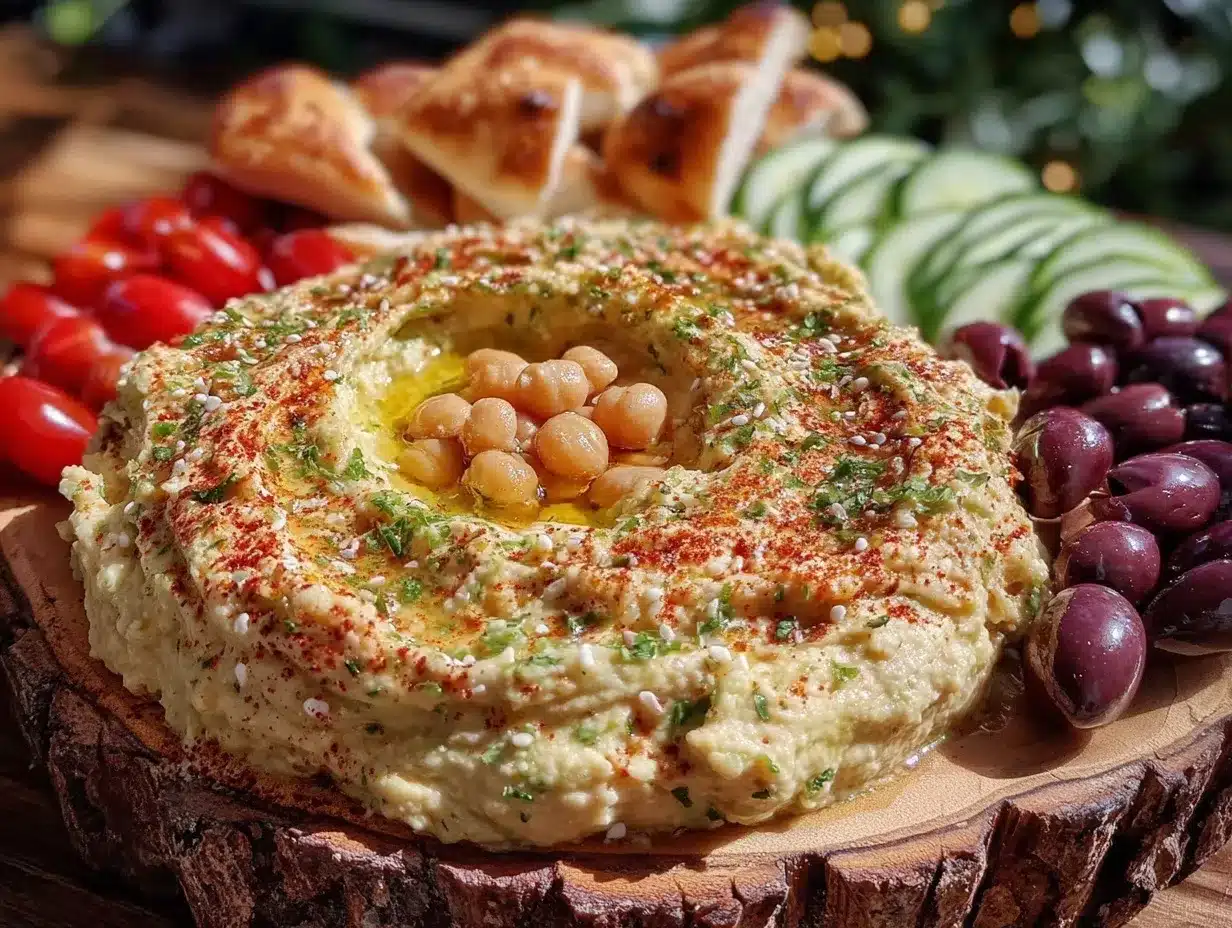
- Chickpeas (Garbanzo beans): 1 can (15 oz / 425 g), drained and rinsed (or 1.5 cups cooked chickpeas for a fresher taste)
- Tahini: 3 tablespoons (look for a smooth, well-stirred brand like Soom for best creaminess)
- Fresh lemon juice: 3 tablespoons (about 1 large lemon, adds brightness)
- Garlic: 1 clove, minced (adjust if you like it milder or bolder)
- Extra virgin olive oil: 2 tablespoons (plus more for drizzling)
- Ground cumin: 1/2 teaspoon (optional but adds lovely warmth)
- Salt: 1/2 teaspoon (or to taste)
- Cold water: 2 to 4 tablespoons (for adjusting texture)
For the Mezze Board:
- Fresh vegetables: Cherry tomatoes, cucumber slices, carrot sticks, radishes (for crunch and color)
- Olives: A mix of Kalamata and green olives, pitted (adds salty, briny notes)
- Pickled vegetables: Such as pepperoncini or pickled turnips (optional but adds zest)
- Fresh herbs: Parsley and mint leaves (for freshness and aroma)
- Pita bread or flatbread: Warmed and sliced (perfect for scooping)
- Roasted red peppers: Jarred or homemade, sliced thinly (adds sweetness and color)
- Feta cheese: Crumbled, if you like a creamy tangy element
You can easily tweak or swap ingredients based on what’s in season or your preferences. For instance, in summer, fresh figs or grapes make a nice addition, while winter calls for roasted eggplant or marinated artichokes. If you want to keep it vegan, just skip the feta or replace it with a plant-based alternative.
Equipment Needed
- Food processor or high-speed blender: Essential for making that creamy, smooth hummus. I’ve tried hand-blending, but it just doesn’t get that perfect texture.
- Mixing bowls: Several sizes for prepping veggies and assembling the board.
- Sharp knife and cutting board: For slicing fresh veggies and pita bread.
- Measuring spoons and cups: To get seasoning just right.
- Serving platter or large wooden board: To arrange your mezze beautifully.
- Small bowls or ramekins: For the hummus, olives, and pickled veggies to keep everything neat and accessible.
If you don’t have a food processor, a sturdy blender can work, but you may need to scrape down the sides more frequently. For budget-friendly options, many brands offer compact food processors that deliver great results without taking up much counter space.
Preparation Method
- Prepare the hummus base: Drain and rinse the chickpeas thoroughly. This step is key because it removes excess salt and can prevent a grainy texture. Reserve a few chickpeas for garnish if you like.
- Blend the ingredients: In your food processor, combine chickpeas, tahini, lemon juice, minced garlic, olive oil, cumin, and salt. Pulse a few times to start breaking down the chickpeas.
- Add cold water gradually: With the processor running, add 2 to 4 tablespoons of cold water little by little until the hummus reaches a creamy, spreadable consistency. It should feel silky and light, not thick or pasty. Scrape down the sides occasionally to ensure even blending.
- Taste and adjust: This is the moment to tweak seasoning. Add more lemon juice for brightness, garlic for pungency, or salt if it tastes flat. Trust me, it’s worth the extra taste test.
- Prep the veggies and extras: While the hummus blends, wash and slice your fresh vegetables into bite-sized pieces. Arrange olives, roasted peppers, and pickled veggies in small bowls.
- Warm the pita bread: Wrap pita rounds in foil and heat in a 350°F (175°C) oven for about 5 minutes, or toast lightly on a skillet until warm and pliable.
- Assemble your mezze board: On a large platter or wooden board, place the bowl of hummus in the center. Surround it with colorful veggies, olives, herbs, roasted red peppers, pita bread, and crumbled feta if using. Drizzle a little olive oil over the hummus and sprinkle with paprika or chopped parsley for a finishing touch.
- Serve immediately: Serve with small spoons and plenty of napkins because honestly, it’s going to be addictive.
If you happen to find the hummus a bit thick, adding an extra splash of water or olive oil before serving can revive that luscious creaminess. Also, if you’re prepping ahead, keep the hummus covered tightly in the fridge and add fresh toppings just before serving to keep everything vibrant.
Cooking Tips & Techniques
To make the best creamy homemade hummus, a few insider tips can save you some trial and error. First off, peeling the chickpeas isn’t mandatory, but if you want ultra-smooth hummus, it’s worth the effort. It’s a bit tedious, but sliding your fingers over the chickpeas to pop off the skins makes a noticeable difference.
Another trick: always use fresh lemon juice rather than bottled—store-bought can be too harsh or artificial-tasting. The acidity brightens the hummus and balances the earthiness of the chickpeas.
When blending, don’t rush. Let your food processor run long enough to break down the tahini and chickpeas fully; patience here pays off in silky texture. If you find the hummus is grainy, a quick addition of cold water and extra blending time usually smooths it out.
For the mezze board, think about texture and color contrast. Crunchy carrots and radishes, soft roasted peppers, and briny olives all play off each other to keep your palate interested. And when warming pita, a quick toast on a skillet adds a lovely char and chewiness that cold bread can’t match.
Lastly, don’t be shy with the olive oil drizzle. Good quality extra virgin olive oil is like the final kiss that pulls the whole dish together.
Variations & Adaptations
This recipe is a great base to customize, depending on dietary needs or flavor preferences. Here are some variations I’ve enjoyed:
- Spiced Roasted Red Pepper Hummus: Blend in 1/2 cup roasted red peppers with the chickpeas for a smoky, sweet twist.
- Avocado Hummus: Swap half the tahini for ripe avocado for a creamy, buttery flavor that’s also extra green and fresh.
- Herbed Hummus: Add a handful of fresh parsley, cilantro, or basil to the food processor for a vibrant, garden-fresh take.
- Gluten-Free Mezze: Use gluten-free crackers or sliced veggies exclusively—this board is naturally friendly for gluten-free diets.
- Low-Carb Option: Load the board with extra veggies and olives, and swap pita for cucumber boats or cheese crisps (similar to the crunchy bases in crispy keto beef tacos with cheese shells).
One personal favorite is adding a drizzle of spicy hot honey over the hummus—yes, it sounds odd, but the sweet heat is surprisingly addictive, inspired by my love for the creamy honey whipped feta recipe I often make.
Serving & Storage Suggestions
This Mediterranean mezze board is best served fresh and at room temperature to let all the flavors shine. I like to arrange everything just before guests arrive, so the veggies stay crisp and the hummus looks inviting with a fresh drizzle of olive oil.
It pairs wonderfully with chilled white wine, sparkling water with lemon, or even a light beer if you’re in the mood. For something heartier, try serving alongside warm pita or even my creamy white pizza with ricotta and spinach for a Mediterranean-themed feast.
Leftovers can be stored in airtight containers in the fridge for up to 3 days. The hummus might thicken a bit, so just stir in a teaspoon of water or olive oil before serving again. Veggies are best eaten fresh but can last a day if wrapped tightly.
While the flavors meld nicely over time, I’d avoid assembling the full board until ready to serve to keep everything vibrant and fresh.
Nutritional Information & Benefits
This fresh Mediterranean mezze board is a wholesome choice packed with nutrients. The creamy homemade hummus provides plant-based protein and fiber from chickpeas, plus healthy fats from olive oil and tahini. Fresh vegetables bring vitamins, minerals, and antioxidants that support overall health.
Notably, this recipe is naturally gluten-free if you skip the pita or use gluten-free bread, and it’s suitable for vegetarians and vegans when feta is omitted. The olive oil adds heart-healthy monounsaturated fats, which contribute to good cholesterol levels.
From a wellness perspective, this mezze board satisfies without heaviness—it’s light but filling, making it perfect for a snack or light meal that won’t weigh you down.
Conclusion
This fresh Mediterranean mezze board with creamy homemade hummus has become a staple in my kitchen because it’s as enjoyable to make as it is to eat. It’s flexible, flavorful, and invites you to share simple moments with friends or family.
Feel free to tailor it to your tastes—swap veggies, add your favorite olives, or experiment with hummus flavors. The beauty of this recipe is that it’s a canvas waiting for your personal touch.
So next time you want an easy party snack or a relaxed weekend treat, this mezze board will have you covered. I’d love to hear how you customize yours—drop a comment or share your favorite combos!
Here’s to good food and even better company.
FAQs
What can I use instead of tahini in hummus?
If you don’t have tahini, you can substitute with smooth peanut butter or almond butter for a different nutty flavor, but the classic sesame taste will be missing. Alternatively, some recipes skip tahini altogether and add a bit more olive oil for creaminess.
Can I make the hummus ahead of time?
Yes! Hummus can be made up to 3 days in advance and stored in an airtight container in the fridge. Just give it a good stir and add a little water or olive oil before serving to refresh the texture.
How do I keep the pita bread soft and warm?
Wrap the pita in foil and warm it in a 350°F (175°C) oven for about 5 minutes. Alternatively, toast it lightly on a skillet over medium heat for a minute or two each side until warm and pliable.
What if I don’t like garlic or lemon?
You can reduce or omit garlic for a milder taste and adjust lemon juice to your preference. Try adding a pinch of smoked paprika or a little roasted red pepper to keep the flavor interesting.
Is this mezze board suitable for vegans?
Absolutely, just skip the feta cheese or replace it with a plant-based alternative. The rest of the board is naturally vegan-friendly with fresh vegetables, olives, and homemade hummus.
Pin This Recipe!
Fresh Mediterranean Mezze Board with Creamy Homemade Hummus

A vibrant and easy Mediterranean mezze board featuring creamy homemade hummus, fresh vegetables, olives, and warm pita bread—perfect for a quick snack or party appetizer.
- Prep Time: 10 minutes
- Cook Time: 5 minutes
- Total Time: 15 minutes
- Yield: 4 servings 1x
- Category: Appetizer
- Cuisine: Mediterranean
Ingredients
- 1 can (15 oz / 425 g) chickpeas, drained and rinsed (or 1.5 cups cooked chickpeas)
- 3 tablespoons tahini
- 3 tablespoons fresh lemon juice (about 1 large lemon)
- 1 clove garlic, minced
- 2 tablespoons extra virgin olive oil (plus more for drizzling)
- 1/2 teaspoon ground cumin (optional)
- 1/2 teaspoon salt (or to taste)
- 2 to 4 tablespoons cold water (for adjusting texture)
- Fresh vegetables: cherry tomatoes, cucumber slices, carrot sticks, radishes
- Mixed Kalamata and green olives, pitted
- Pickled vegetables such as pepperoncini or pickled turnips (optional)
- Fresh herbs: parsley and mint leaves
- Pita bread or flatbread, warmed and sliced
- Roasted red peppers, sliced thinly
- Feta cheese, crumbled (optional)
Instructions
- Drain and rinse the chickpeas thoroughly. Reserve a few chickpeas for garnish if desired.
- In a food processor, combine chickpeas, tahini, lemon juice, minced garlic, olive oil, cumin, and salt. Pulse a few times to start breaking down the chickpeas.
- With the processor running, gradually add 2 to 4 tablespoons of cold water until the hummus reaches a creamy, spreadable consistency. Scrape down the sides occasionally to ensure even blending.
- Taste and adjust seasoning by adding more lemon juice, garlic, or salt as needed.
- Wash and slice fresh vegetables into bite-sized pieces. Arrange olives, roasted peppers, and pickled vegetables in small bowls.
- Warm the pita bread by wrapping in foil and heating in a 350°F (175°C) oven for about 5 minutes, or toast lightly on a skillet until warm and pliable.
- On a large platter or wooden board, place the bowl of hummus in the center. Surround with colorful veggies, olives, herbs, roasted red peppers, pita bread, and crumbled feta if using.
- Drizzle a little olive oil over the hummus and sprinkle with paprika or chopped parsley for garnish.
- Serve immediately with small spoons and plenty of napkins.
Notes
Peeling chickpeas can create an ultra-smooth hummus but is optional. Use fresh lemon juice for best flavor. If hummus is too thick, add extra water or olive oil before serving. Warm pita bread by heating in the oven or toasting on a skillet. Drizzle good quality extra virgin olive oil over hummus for best taste. Store hummus in an airtight container in the fridge for up to 3 days; stir in water or olive oil before serving again.
Nutrition
- Serving Size: About 1/4 of the mez
- Calories: 280
- Sugar: 3
- Sodium: 400
- Fat: 18
- Saturated Fat: 2.5
- Carbohydrates: 22
- Fiber: 6
- Protein: 7
Keywords: Mediterranean mezze board, homemade hummus, party snack, easy appetizer, healthy snack, vegan option, gluten-free option