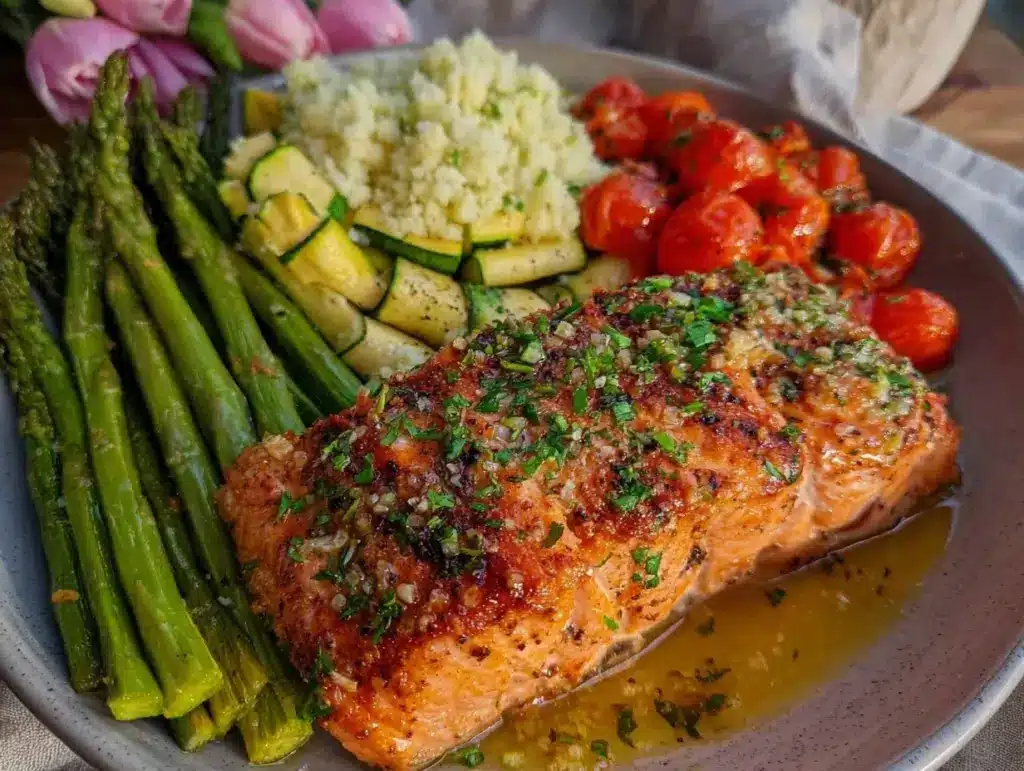
“You’re kidding, right? Low carb dinner for gestational diabetes?” That was my initial thought when my doctor suggested watching my carbs during pregnancy. Honestly, I felt overwhelmed—how do you even make dinner that’s satisfying without feeling like you’re eating rabbit food? One evening, after a long day juggling work calls and prenatal appointments, I threw together a quick skillet meal with chicken, fresh veggies, and a touch of herbs. It wasn’t glamorous, but the flavors hit the spot. I was surprised how easy it was to feel full without the usual carb overload.
That accidental dinner turned into a mini obsession. I found myself tweaking recipes, swapping ingredients, and testing out combinations to keep things interesting. The goal? Easy low carb dinners that suit gestational diabetes dietary needs but still feel like real food you’d want to eat every night. This collection of five recipes is what stuck. They’re straightforward, comforting, and honestly, they don’t taste like a “diet” meal at all.
What I love most is the quiet confidence these dinners bring after a chaotic day. No stressing over blood sugar spikes or complicated prep—just simple, wholesome meals that make me feel grounded. If you’re navigating gestational diabetes and craving some dinner inspiration, maybe these recipes will offer that same little bit of calm in the kitchen.
Why You’ll Love This Recipe
Having cooked these easy low carb dinners multiple times during my pregnancy, I can say they genuinely hit the mark in balancing flavor, nutrition, and simplicity. Here’s why they might become your go-to too:
- Quick & Easy: Each recipe comes together in under 30 minutes, perfect for busy evenings when you’re wiped out but still want something nourishing.
- Simple Ingredients: No need for specialty stores—most ingredients are pantry staples or fresh produce you can find anywhere.
- Perfect for Gestational Diabetes: Carefully crafted to keep carbs low and blood sugar steady, without sacrificing taste.
- Crowd-Pleaser: These dinners have surprised even non-low carb eaters around the table—kids included.
- Unbelievably Delicious: The texture and flavor combos are satisfying enough to make you forget you’re watching carbs.
What sets these recipes apart? It’s the little things like using cauliflower rice instead of regular rice, blending cottage cheese for creamy sauces, or seasoning with fresh herbs and spices that pack a punch without adding carbs. These dishes aren’t about deprivation, but smart swaps and thoughtful flavor layering.
Honestly, after the first bite, you might find yourself closing your eyes and thinking, “Yeah, this works.” It’s comfort food reimagined for your health needs—no stress, just good eats that keep you feeling balanced and happy.
What Ingredients You Will Need
These easy low carb dinners rely on fresh, wholesome ingredients that keep things nutritious and flavorful without overloading on carbs. Here’s a quick rundown of what you’ll gather before getting started:
- Protein:
- Boneless, skinless chicken breasts or thighs (for tenderness and quick cooking)
- Ground turkey or lean beef (great for skillet meals)
- Fresh salmon or white fish fillets (for lighter options)
- Eggs (for added protein and binding in some recipes)
- Vegetables:
- Cauliflower (fresh or frozen, perfect for cauliflower rice)
- Zucchini (spiralized or diced)
- Bell peppers (for color and crunch)
- Spinach or kale (nutrient-dense greens)
- Cherry tomatoes (adds a touch of sweetness)
- Onions and garlic (flavor powerhouses)
- Dairy & Fats:
- Cottage cheese (small-curd, for creamy sauces)
- Shredded mozzarella or cheddar (adds melty richness)
- Olive oil or avocado oil (for sautéing)
- Butter (unsalted, for flavor depth)
- Seasonings & Extras:
- Fresh herbs like basil, parsley, or thyme (brightens flavor)
- Smoked paprika, cumin, or Italian seasoning (adds warmth)
- Lemon juice or zest (for a fresh kick)
- Salt and black pepper (essential for balance)
When I shop, I usually pick up organic chicken from my local market, and for cottage cheese, I prefer small-curd varieties like Breakstone’s because they blend into sauces so smoothly. If you’re short on fresh herbs, dried Italian seasoning works just fine, and frozen spinach is a handy backup to fresh.
For substitutions, cauliflower rice can be swapped with shredded cabbage if you want a different texture, and coconut yogurt can replace dairy if you need a lactose-free option. These swaps keep the carb count low while letting you personalize the meals.
Equipment Needed
Nothing fancy required here, which is the beauty of these recipes. Here’s what you’ll want handy in your kitchen:
- Nonstick skillet or sauté pan (10 to 12 inches) – I find these easiest for quick browning and easy cleanup.
- Sharp chef’s knife – a good knife makes chopping veggies a breeze and safer.
- Cutting board – ideally a sturdy one that won’t slip.
- Mixing bowls – for tossing ingredients or blending sauces.
- Measuring cups and spoons – important for keeping portions and seasonings consistent.
- Food processor or grater (optional) – helpful if making your own cauliflower rice or shredding cheese.
If you don’t have a food processor, no worries—cauliflower rice can be chopped finely by hand or bought pre-riced in many stores. For budget-friendly options, basic nonstick pans from brands like T-fal or Cuisinart work well without breaking the bank.
One personal tip: keep your knives sharp. I once tried chopping onions with a dull blade, and it was a slow disaster. Sharp knives speed up prep and keep your fingers safer.
Preparation Method
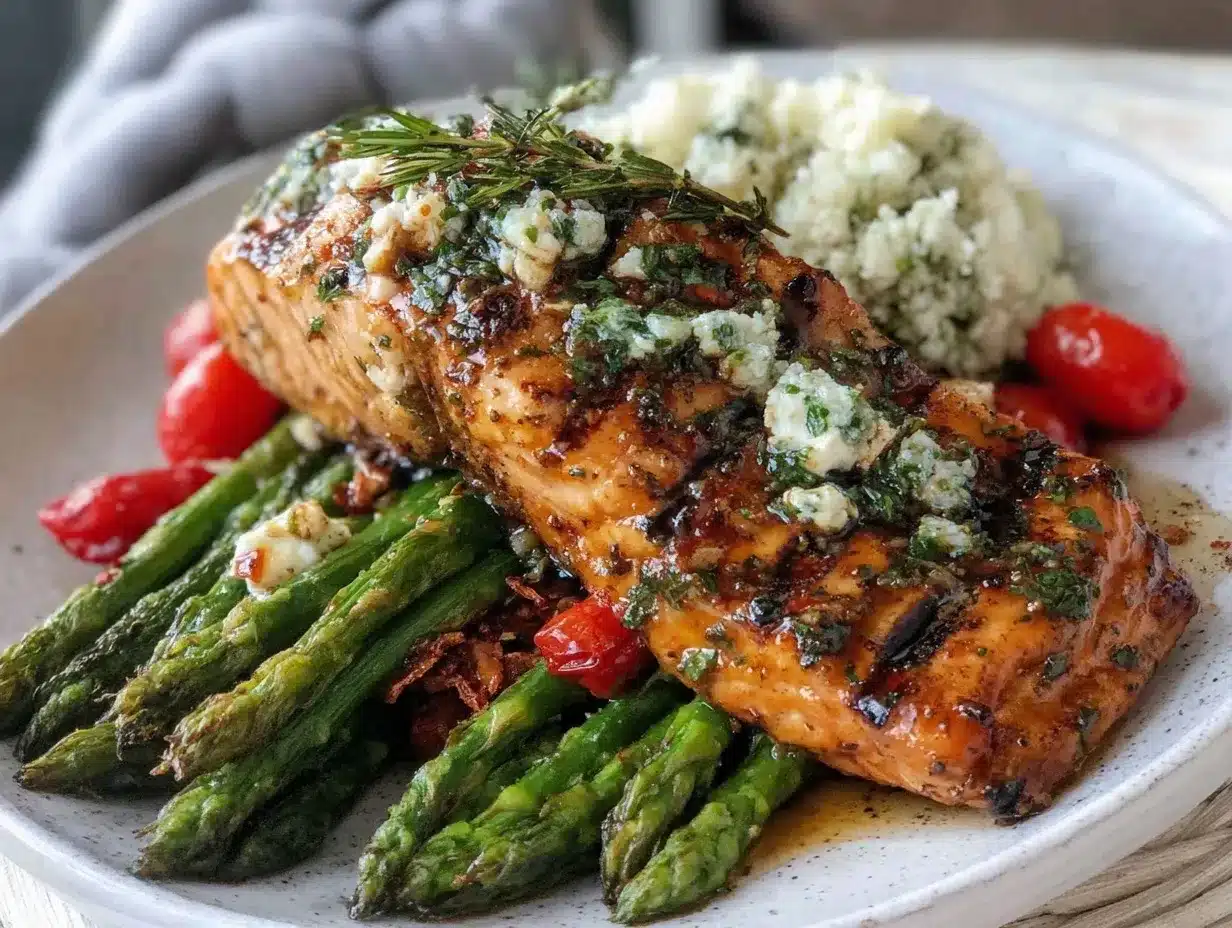
- Prep the vegetables: Wash and dry all fresh produce. Chop onions and garlic finely. Dice bell peppers into bite-sized pieces. If using cauliflower, pulse in a food processor until it resembles rice grains (about 1 to 2 cups per serving). This should take roughly 5 minutes.
- Cook the protein: Heat 1 tablespoon (15 ml) of olive oil in your skillet over medium-high heat. Season chicken breasts or ground meat with salt, pepper, and preferred spices (smoked paprika and cumin work great). Cook chicken for 5–7 minutes per side until golden and cooked through (internal temp 165°F/74°C). For ground meat, stir and break apart, cooking for 6–8 minutes until no pink remains.
- Sauté vegetables: Remove cooked meat and set aside. In the same skillet, add another teaspoon of oil if needed. Sauté onions and garlic for 2–3 minutes until fragrant and translucent. Add bell peppers and cook for an additional 4 minutes until tender but still crisp.
- Add cauliflower rice: Stir in the cauliflower rice and cook for 5 minutes, stirring occasionally. You want the cauliflower to soften but not mushy. Season with salt, pepper, and a squeeze of lemon juice to brighten flavors.
- Combine and finish: Return cooked meat to the skillet and mix well. Stir in a few tablespoons (30–60 g) of cottage cheese or shredded cheese to add creaminess. Cook for another 2 minutes until everything is heated through and the cheese melts slightly. Taste and adjust seasoning as needed.
- Garnish and serve: Remove from heat and sprinkle fresh herbs over the top. Serve immediately, enjoying the warm aromas and vibrant colors.
Prep time is about 15 minutes, with cooking around 20 minutes—so you’re looking at a 35-minute dinner max. If cauliflower rice seems intimidating, remember pre-riced bags can speed you up. Also, if your skillet gets crowded, cook veggies in batches to avoid steaming instead of sautéing.
One time, I overcooked the cauliflower rice, and it turned a bit mushy—lesson learned to keep an eye on the texture. It should be tender but with a slight bite, like al dente pasta.
Cooking Tips & Techniques
Keeping these dinners both tasty and gestational diabetes-friendly means a few tricks up your sleeve:
- Control the heat: Cook proteins on medium-high to get a nice sear without drying them out. For veggies, medium heat helps them retain crunch and color.
- Don’t overcook cauliflower rice: It cooks fast! Overdoing it leads to that soggy texture nobody likes.
- Use fresh herbs generously: They add vibrant flavor without carbs or calories.
- Mind your seasoning: Salt enhances flavors but balance it with acidic notes like lemon juice or vinegar to keep dishes bright.
- Prep in advance: Chop veggies or cook proteins ahead if you know the evening will be hectic. That way, dinner assembly is a breeze.
- Test your blood sugar: When trying a new recipe, check your levels afterward to see how it affects you personally. Everyone’s response can vary.
Honestly, I once skipped seasoning the chicken properly and ended up with a bland dish. Lesson learned: seasoning is key, even if you’re rushing. Also, multitasking helps—while chicken cooks, chop your veggies to save time.
Consistency comes from sticking to measurements and cooking times but don’t be afraid to tweak spices to your taste. A little smoked paprika or fresh basil can turn a simple dish into something special.
Variations & Adaptations
These easy low carb dinners are super adaptable to your preferences, dietary needs, or what’s in your fridge:
- Vegetarian option: Swap meat for firm tofu or tempeh, marinated in soy sauce and smoked paprika for a hearty plant-based alternative.
- Seafood twist: Use shrimp or salmon fillets instead of chicken for a lighter, omega-3 rich version. Just adjust cooking times—seafood cooks faster!
- Spice it up: Add crushed red pepper flakes or a dash of hot sauce if you like a bit of heat. It pairs wonderfully with creamy elements like cottage cheese.
- Seasonal swaps: In warmer months, toss in fresh summer squash or swap cauliflower rice for zucchini noodles for extra freshness.
- Allergen-friendly: Use coconut oil or avocado oil instead of butter if dairy is an issue. Substitute dairy-based cottage cheese with a plant-based yogurt for creamy sauces.
One of my favorite tweaks was making a creamy one-pot vodka rigatoni with Italian sausage but swapping pasta for spiralized zucchini and reducing the sauce’s sugar. It kept the comforting feel but cut carbs dramatically.
Serving & Storage Suggestions
These dinners are best enjoyed fresh and hot, but they also reheat nicely for leftovers. Here’s how to serve and store them for maximum enjoyment:
- Serving temperature: Serve immediately after cooking to enjoy the textures at their best—warm, creamy, and vibrant.
- Presentation: Garnish with fresh herbs and a wedge of lemon on the side for brightness. A light sprinkle of toasted nuts or seeds adds crunch and visual appeal.
- Complementary sides: Pair with simple green salads or steamed vegetables to keep the meal balanced without extra carbs.
- Storage: Store leftovers in airtight containers in the refrigerator for up to 3 days. Cauliflower rice holds up well, but proteins may dry out if overcooked initially.
- Reheating: Reheat gently in a skillet over low heat with a splash of water or broth to keep moisture. Avoid microwaving too long as it can make cauliflower rice mushy.
- Flavor development: Flavors tend to meld and deepen after a day, so leftovers can be even tastier the next day if properly stored.
One time, I packed leftovers of a low carb meal for lunch and added a side of savory burst cherry tomato brown butter pasta for the family. It was a nice carb balance and everyone was satisfied without spikes.
Nutritional Information & Benefits
On average, each of these easy low carb dinners contains roughly 350–450 calories per serving, with about 15–20 grams of carbs, 25–30 grams of protein, and healthy fats from oils or cheese. They’re designed to maintain steady blood sugar levels, which is crucial for gestational diabetes management.
Key benefits include:
- Low glycemic load: Using cauliflower rice and non-starchy vegetables reduces blood sugar spikes.
- High protein: Supports satiety and muscle maintenance during pregnancy.
- Healthy fats: From olive oil and cheese, important for fetal development.
- Rich in fiber: Vegetables aid digestion and help regulate blood sugar.
A note on allergens: these recipes include dairy and sometimes nuts (if added as garnish), so adjust accordingly if you have sensitivities.
From my experience, eating balanced meals like these made managing gestational diabetes feel less like a burden and more like an opportunity to nurture myself and my baby.
Conclusion
These easy low carb dinners for gestational diabetes aren’t just about following rules—they’re about enjoying food that keeps you feeling good and satisfied. Whether you’re new to low carb cooking or looking for fresh ideas, these recipes offer a simple, delicious way to nourish yourself without fuss.
Feel free to make them your own, swapping ingredients or spices to suit your taste. I love how these meals have become a steady part of my routine, helping me feel balanced even on the busiest days.
If you try any of these recipes, I’d love to hear what tweaks you made or how they worked for you. Sharing your experiences makes the kitchen feel a little cozier and the journey a bit easier.
Here’s to meals that satisfy both your cravings and your health needs—with a little joy along the way.
Frequently Asked Questions
What are some easy low carb dinner ideas for gestational diabetes?
Focus on lean proteins like chicken or fish, plenty of non-starchy vegetables such as cauliflower and zucchini, and healthy fats. Skillet meals with cauliflower rice or zucchini noodles are quick, tasty, and blood sugar-friendly.
Can I substitute cauliflower rice with other low carb veggies?
Absolutely! Shredded cabbage, spiralized zucchini, or even finely chopped broccoli can be great alternatives depending on your preference and recipe.
How can I make these dinners more kid-friendly?
Keep seasonings mild, incorporate familiar textures like melted cheese, and serve with simple sides like steamed veggies. Kids often enjoy meals that look colorful and have a creamy element.
Is it okay to prepare these meals in advance?
Yes! Prepping proteins and chopping veggies ahead cuts down on evening cooking time. Store components separately to maintain freshness and combine just before reheating.
What should I watch out for when managing gestational diabetes through diet?
Monitor portion sizes, especially carbs, and balance meals with protein and fiber. Always check your blood sugar response to new foods, as individual reactions can vary.
Pin This Recipe!
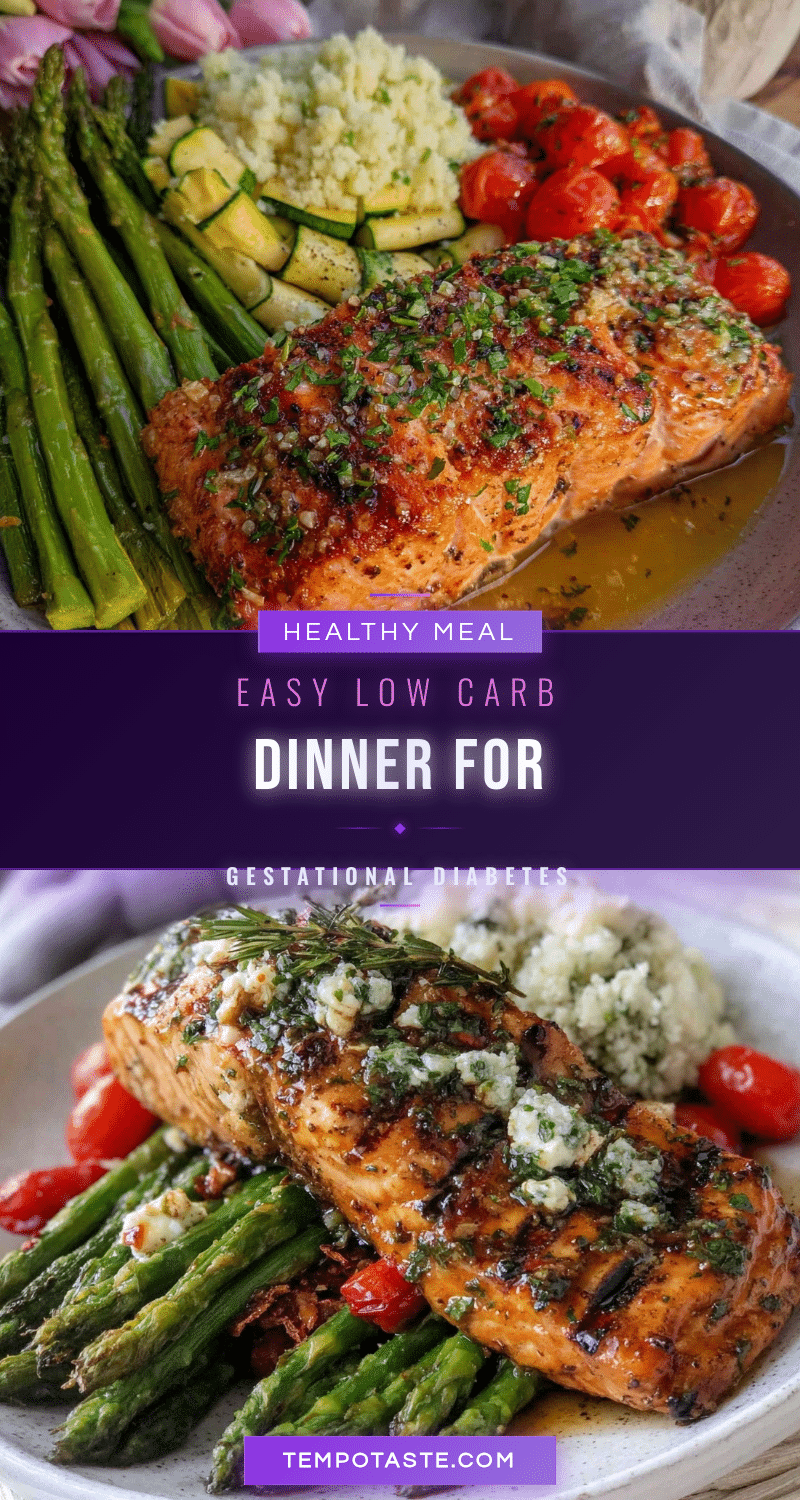
Easy Low Carb Dinner for Gestational Diabetes

A collection of five easy low carb dinner recipes designed to suit gestational diabetes dietary needs, balancing flavor, nutrition, and simplicity for satisfying meals under 30 minutes.
- Prep Time: 15 minutes
- Cook Time: 20 minutes
- Total Time: 35 minutes
- Yield: 4 servings
- Category: Main Course
- Cuisine: American
Ingredients
- Boneless, skinless chicken breasts or thighs
- Ground turkey or lean beef
- Fresh salmon or white fish fillets
- Eggs
- Cauliflower (fresh or frozen, for cauliflower rice)
- Zucchini (spiralized or diced)
- Bell peppers
- Spinach or kale
- Cherry tomatoes
- Onions
- Garlic
- Cottage cheese (small-curd)
- Shredded mozzarella or cheddar cheese
- Olive oil or avocado oil
- Butter (unsalted)
- Fresh herbs (basil, parsley, thyme)
- Smoked paprika
- Cumin
- Italian seasoning
- Lemon juice or zest
- Salt
- Black pepper
Instructions
- Wash and dry all fresh produce. Chop onions and garlic finely. Dice bell peppers into bite-sized pieces. Pulse cauliflower in a food processor until it resembles rice grains (about 1 to 2 cups per serving).
- Heat 1 tablespoon of olive oil in a skillet over medium-high heat. Season chicken breasts or ground meat with salt, pepper, and preferred spices. Cook chicken for 5–7 minutes per side until golden and cooked through (internal temp 165°F). For ground meat, cook for 6–8 minutes until no pink remains.
- Remove cooked meat and set aside. In the same skillet, add another teaspoon of oil if needed. Sauté onions and garlic for 2–3 minutes until fragrant and translucent. Add bell peppers and cook for 4 minutes until tender but still crisp.
- Stir in the cauliflower rice and cook for 5 minutes, stirring occasionally. Season with salt, pepper, and a squeeze of lemon juice.
- Return cooked meat to the skillet and mix well. Stir in a few tablespoons (30–60 g) of cottage cheese or shredded cheese to add creaminess. Cook for another 2 minutes until heated through and cheese melts slightly. Adjust seasoning as needed.
- Remove from heat and sprinkle fresh herbs over the top. Serve immediately.
Notes
Use pre-riced cauliflower rice to save time. Cook veggies in batches if skillet is crowded to avoid steaming. Keep knives sharp for safer and faster prep. Avoid overcooking cauliflower rice to maintain a tender but firm texture. Season proteins well to avoid blandness. Leftovers reheat best gently in a skillet with a splash of water or broth to maintain moisture.
Nutrition
- Serving Size: 1 serving (approxima
- Calories: 400
- Sugar: 5
- Sodium: 450
- Fat: 22
- Saturated Fat: 7
- Carbohydrates: 18
- Fiber: 6
- Protein: 28
Keywords: low carb dinner, gestational diabetes, healthy pregnancy meals, cauliflower rice, easy skillet meals, low glycemic, high protein, diabetic-friendly dinner