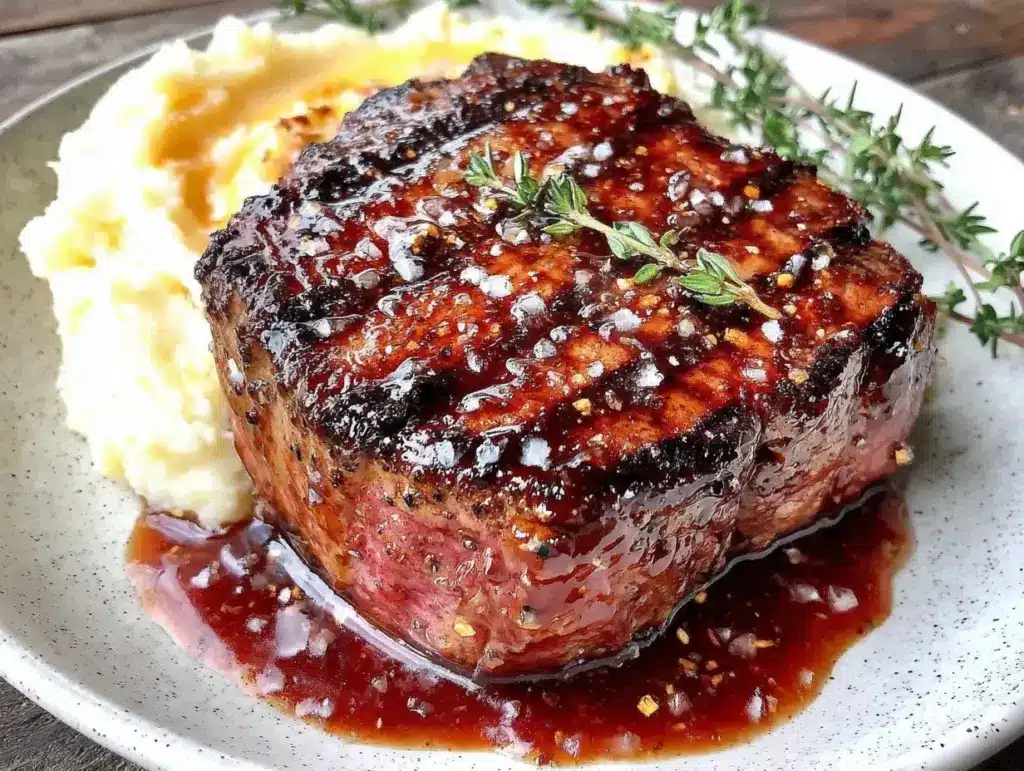
“You really think a filet mignon can’t be easy to pull off at home?” That’s what my friend said when I mentioned I was making Perfect Filet Mignon with Red Wine Reduction Sauce for dinner. Honestly, I get it—there’s something intimidating about a steak that sounds so fancy. But let me tell you, this recipe came from one of those unexpected kitchen wins. I was rushing through a busy evening, juggling a bunch of work calls and dinner plans, when I grabbed the filet mignon thinking, “Maybe I’ll just pan-sear it and call it a day.” But then I remembered a quick trick I’d learned: a simple red wine reduction that takes just minutes to make and turns that steak into a total showstopper. The smell of garlic and thyme sizzling in butter filled the kitchen, and before I knew it, the sauce was swirling into a glossy, rich glaze that made the steak sing.
That night, a meal I thought would be rushed and “just okay” ended up being the kind of dinner where you pause, close your eyes, and savor every bite. Since then, I’ve made this recipe more times than I can count—sometimes for a quiet solo dinner after a long day, sometimes for friends who keep asking for that sauce. It’s become my go-to when I want something impressive without the stress. The Perfect Filet Mignon with Red Wine Reduction Sauce isn’t just a recipe; it’s a little moment of calm and indulgence that fits into any night, no matter how chaotic. And that’s exactly why it stuck with me.
Why You’ll Love This Recipe
This Perfect Filet Mignon with Red Wine Reduction Sauce recipe combines my passion for simple, elegant cooking with practical shortcuts that actually work. After countless tries, I’ve nailed a method that delivers restaurant-worthy results—no fancy equipment or hours of preparation required.
- Quick & Easy: You can have this steak on the table in under 30 minutes, which is perfect for busy weeknights or impromptu dinner guests.
- Simple Ingredients: No need for exotic spices or hard-to-find items—just quality steak, red wine, and a few pantry staples.
- Perfect for Special Occasions: Whether it’s a date night, holiday dinner, or a celebratory meal, this recipe delivers on elegance without fuss.
- Crowd-Pleaser: I’ve served this to family, friends, and even skeptical steak lovers who always come back for seconds.
- Unbelievably Delicious: The tender filet combined with the silky, slightly sweet and tangy red wine reduction sauce is pure comfort food with a gourmet twist.
What sets this recipe apart? The red wine reduction isn’t just poured on top—it’s gently cooked down with garlic and fresh herbs until it thickens just right, coating the steak with flavor that’s deep and balanced. Plus, searing the filet to a perfect medium-rare (or your preferred doneness) locks in juices, making each bite melt in your mouth. It’s a recipe that respects the quality of the steak but adds that little extra something you’ll keep coming back to.
Honestly, it’s the kind of meal that makes you feel like you’ve treated yourself, even on a random Tuesday night. And if you’re into Italian-inspired comfort, pairing this with a side like the creamy one-pot vodka rigatoni will turn your dinner into a full-on feast.
What Ingredients You Will Need
This recipe keeps things straightforward with quality ingredients that work together to create bold flavor and luxurious texture. Most of these are pantry staples, but the key is in choosing the freshest and best-quality items you can find.
- Filet Mignon Steaks (2, about 6 oz / 170 g each): Look for well-marbled, thick-cut steaks for the best tenderness.
- Salt and Freshly Ground Black Pepper: Simple seasoning to highlight the beef’s natural flavor.
- Olive Oil (2 tbsp): Use a good quality extra virgin olive oil for searing.
- Unsalted Butter (3 tbsp): Adds richness and helps create a golden crust.
- Garlic Cloves (2, smashed): Provides savory depth to the sauce.
- Fresh Thyme (2 sprigs): Classic herb pairing for steak, adds fragrant notes.
- Shallot (1 small, finely chopped): Sweet and mild, perfect for the reduction.
- Dry Red Wine (1 cup / 240 ml): Choose a full-bodied wine like Cabernet Sauvignon or Merlot for richness. (Avoid sweet wines as they can throw off the balance.)
- Beef Stock or Broth (1/2 cup / 120 ml): Adds savory body to the sauce; homemade or store-bought both work fine.
- Fresh Parsley (for garnish): Optional but adds a nice fresh contrast.
Ingredient Tips: For the best results, I recommend picking filet mignon from a trusted butcher rather than pre-packaged supermarket cuts. If you can’t find fresh thyme, rosemary is a fine substitute. And if you’re avoiding alcohol, use grape juice mixed with a splash of balsamic vinegar for the sauce (though it won’t be quite the same!).
Equipment Needed
To get this Perfect Filet Mignon with Red Wine Reduction Sauce just right, you don’t need fancy gadgets—just some reliable basics.
- Heavy Skillet or Cast Iron Pan: A thick-bottomed pan is best for a good sear and even heat distribution. I personally swear by cast iron for that perfect crust.
- Tongs: For flipping the steaks without piercing the meat.
- Saucepan: To make the red wine reduction sauce separately, which helps control thickness.
- Meat Thermometer (optional but helpful): For checking the steak’s internal temperature to hit the perfect doneness.
- Small Mixing Bowl: To keep ingredients handy during prep.
If you don’t have a cast iron pan, a stainless steel skillet will also work—just watch the heat carefully to avoid burning the butter. And if you’re on a budget, a non-stick pan can substitute in a pinch, though the sear won’t be quite as intense. Keeping your tools well-seasoned and clean will make a big difference in the crust and flavor.
Preparation Method
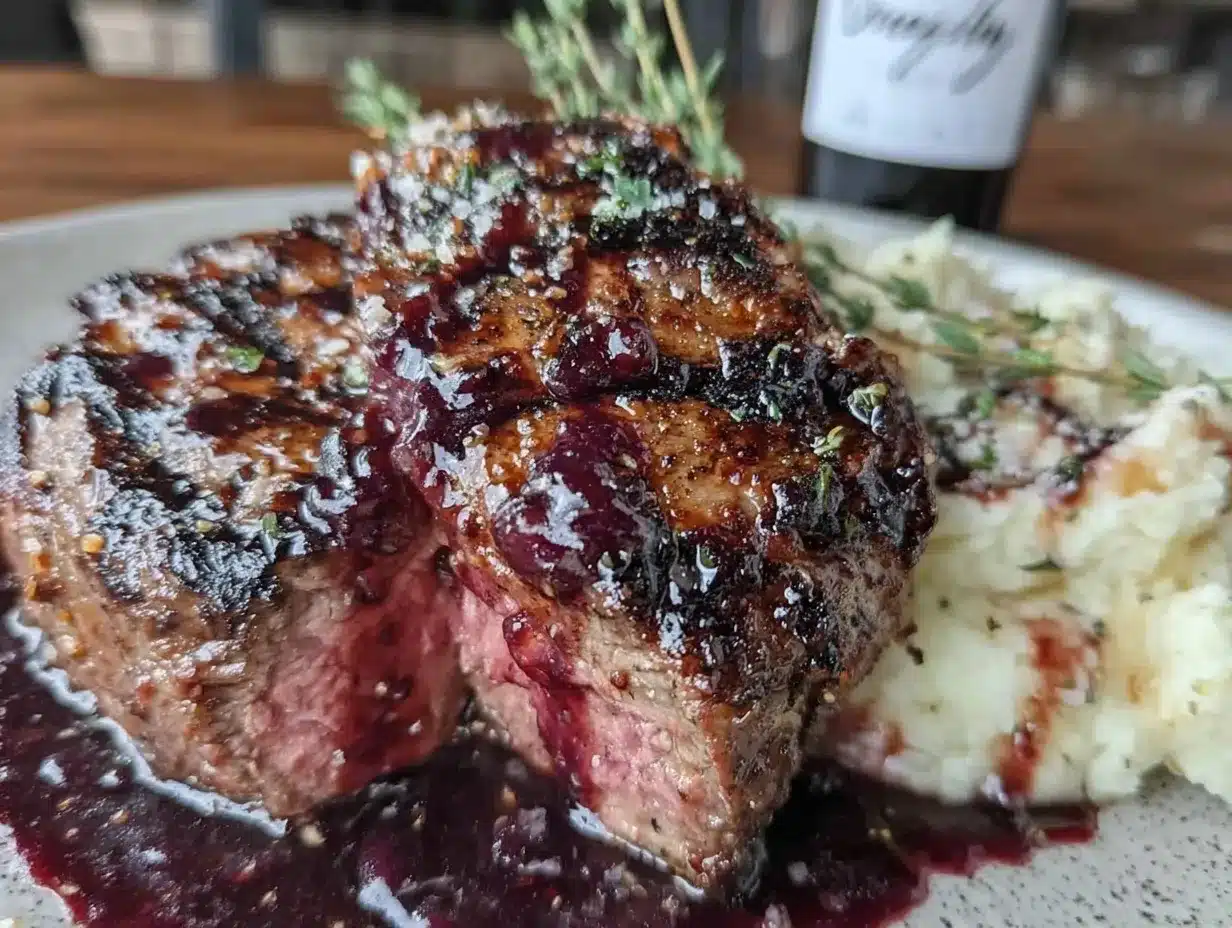
- Bring Steaks to Room Temperature (15-20 minutes): Take the filet mignon out of the fridge and let them sit on the counter. This ensures even cooking. Pat dry with paper towels to remove excess moisture—this helps achieve that beautiful sear.
- Season Steaks Generously: Sprinkle both sides with salt and freshly ground black pepper. Don’t be shy; the seasoning forms the flavorful crust.
- Heat Pan Over Medium-High Heat: Add olive oil and let it heat until shimmering but not smoking (about 2 minutes). This is key to avoid sticking and burning.
- Sear Filet Mignon (3-4 minutes per side): Place steaks in the pan without crowding. Let them sear undisturbed until a golden-brown crust forms. Flip carefully using tongs.
- Add Butter, Garlic, and Thyme: Reduce heat to medium. Add butter, smashed garlic cloves, and thyme sprigs to the pan. Tilt the pan and spoon melted butter over the steaks repeatedly for about 1-2 minutes—this bastes the meat and adds flavor.
- Check Temperature: For medium-rare, aim for an internal temperature of 130-135°F (54-57°C). Remove steaks and tent loosely with foil to rest for 5-10 minutes. Resting lets the juices redistribute, making the steak juicy.
- Prepare Red Wine Reduction Sauce: Meanwhile, in a separate saucepan, melt 1 tablespoon butter over medium heat. Add finely chopped shallot and sauté until translucent (about 2 minutes). Pour in red wine and beef stock, stirring occasionally.
- Simmer and Reduce (10-15 minutes): Let the mixture simmer gently until it thickens to a syrupy consistency that coats the back of a spoon. Season with a pinch of salt and pepper to taste.
- Strain Sauce (optional): For a smooth finish, strain the sauce through a fine mesh sieve, discarding shallots and herbs.
- Serve: Plate the rested filet mignon and drizzle generously with warm red wine reduction sauce. Garnish with chopped fresh parsley if desired.
Pro Tip: If you want to multitask, start the sauce right after the steaks go into the pan. The timing works out nicely, and you’re not left waiting.
Cooking Tips & Techniques
Searing a perfect filet mignon with a luscious red wine reduction sounds fancy, but it really comes down to a few key techniques and avoiding common pitfalls.
- Don’t Crowd the Pan: Searing requires high heat and space around the steak. Crowding traps moisture and you end up steaming instead of caramelizing.
- Pat Dry for a Better Crust: Moisture is the enemy of a good sear. I’ve learned the hard way that skipping this step leads to a soggy surface.
- Use a Meat Thermometer: Guessing doneness is tricky, especially with thick cuts. A quick poke test can be off, so a thermometer is worth the investment.
- Rest Your Steak: Cutting in too soon means juicy goodness runs out. Resting for 5-10 minutes locks in flavor and moisture.
- Simmer Sauce Gently: Boiling the wine reduction too hard or too fast can make it bitter. Keep it at a gentle simmer to concentrate flavor without harshness.
- Baste with Butter and Herbs: This classic technique adds layers of flavor and keeps the steak moist while it cooks.
- Choose Your Wine Wisely: I once tried this with a cheap sweet wine and the sauce was off. Stick to dry red wines with depth like Cabernet, Pinot Noir, or Merlot.
Personally, I like to prepare the sauce right alongside the steak cooking. It feels like a mini ritual—stirring the wine down, filling the kitchen with that rich aroma. And the payoff? That glossy sauce draped over the filet is so rewarding after a hectic day. If you want to see more about balancing rich flavors, the cherry tomato brown butter pasta recipe has a similar vibe with buttery richness and fresh accents.
Variations & Adaptations
One of the great things about this Perfect Filet Mignon with Red Wine Reduction Sauce is how easy it is to tweak for different tastes or dietary needs.
- Dietary Swap – Gluten-Free: The recipe is naturally gluten-free if you use gluten-free beef stock. Just double-check your stock label.
- Seasonal Twist: In fall or winter, add a splash of balsamic vinegar or a touch of fresh rosemary to the sauce for a cozy herbal note.
- Alternative Proteins: Tried this with thick-cut pork chops once—same method, just adjust cooking time. The red wine sauce works beautifully with pork or even lamb.
- Non-Alcoholic Version: Use grape juice combined with a teaspoon of lemon juice or apple cider vinegar to mimic acidity and sweetness in the sauce.
- Extra Flavor Boost: Stir in a teaspoon of Dijon mustard or a small knob of blue cheese into the sauce at the end for a sharp punch.
One variation I love is serving the filet alongside creamy mashed potatoes and roasted garlic green beans—simple but elegant. For a full cozy meal, you might enjoy pairing it with the French onion orzo with crispy shallots which beautifully complements the savory sauce.
Serving & Storage Suggestions
Serving this steak just right makes all the difference. I recommend plating the filet mignon warm, immediately after resting and saucing, so the meat’s juices and sauce mingle perfectly on your plate.
- Serving Temperature: Warm, not hot. Too hot and the sauce loses its velvety texture.
- Presentation: Slice the filet into medallions for a shareable presentation or serve whole for a classic look. Garnish with fresh parsley or thyme sprigs for color.
- Complementary Sides: Creamy mashed potatoes, roasted vegetables, or a fresh arugula salad with lemon vinaigrette balance the richness beautifully.
- Storage: Leftover steak and sauce keep well covered in the fridge for up to 2 days. To reheat, warm gently in a skillet over low heat to avoid drying out the meat.
- Flavor Development: The red wine reduction sauce can deepen in flavor after a day, making leftovers even tastier if you don’t mind a slightly firmer texture.
For a complete dinner, you could finish with a dessert like the pineapple upside-down cake—the caramelized sweetness is a perfect counterpoint to the savory steak.
Nutritional Information & Benefits
A standard serving of filet mignon (about 6 oz / 170 g) provides roughly 350-400 calories, primarily from high-quality protein and fat. The red wine reduction adds minimal calories but packs antioxidants from the wine and garlic.
Filet mignon is a lean cut, lower in fat than many other steaks, making it a good choice for those watching their saturated fat intake while still craving a hearty protein. The garlic and thyme contribute antioxidants and anti-inflammatory compounds, supporting overall health.
This recipe fits well into gluten-free and low-carb diets. Just be mindful of the red wine content if you’re avoiding alcohol for medical or personal reasons. I appreciate this meal for its balance—not just indulgent, but nourishing in a way that feels satisfying and wholesome.
Conclusion
The Perfect Filet Mignon with Red Wine Reduction Sauce recipe brings together simplicity and sophistication in a way that’s surprisingly doable at home. Whether you’re cooking for one or impressing a small group, it’s a reliable way to enjoy a restaurant-quality steak without the stress.
What I love most is how the sauce transforms the dish—rich, velvety, and just tangy enough to highlight the tender filet. Feel free to customize the herbs or sides to match your mood and pantry. And if you try it, I’d love to hear how it goes or what tweaks you made.
Cooking this meal has become my little ritual for slowing down and treating myself, and I hope it gives you that same warm satisfaction. Don’t hesitate to share your experiences or variations—I’m always eager to swap tips and stories in the kitchen.
Frequently Asked Questions
What’s the best way to cook filet mignon for beginners?
Start by bringing the steak to room temperature, seasoning simply, and searing it in a hot pan with butter and herbs. Use a meat thermometer to check doneness and let it rest before serving. This recipe breaks it down step-by-step for easy success.
Can I make the red wine reduction sauce ahead of time?
Yes, you can prepare the sauce a day in advance. Store it in the refrigerator and gently reheat it on low heat before serving. Stir occasionally to maintain smoothness.
What if I don’t drink alcohol—can I still make this sauce?
Absolutely. Substitute the dry red wine with grape juice mixed with a splash of balsamic vinegar or lemon juice for acidity. The flavor will be different but still tasty and rich.
How do I know when the filet mignon is done?
Use a meat thermometer: 130-135°F (54-57°C) for medium-rare, 135-145°F (57-63°C) for medium. The steak will continue to cook slightly while resting, so remove it from heat a few degrees before your target temperature.
What sides pair best with this filet mignon recipe?
Classic sides like creamy mashed potatoes, roasted asparagus, or a fresh green salad work beautifully. For a comforting touch, try pairing it with the French onion orzo which complements the rich sauce perfectly.
Pin This Recipe!
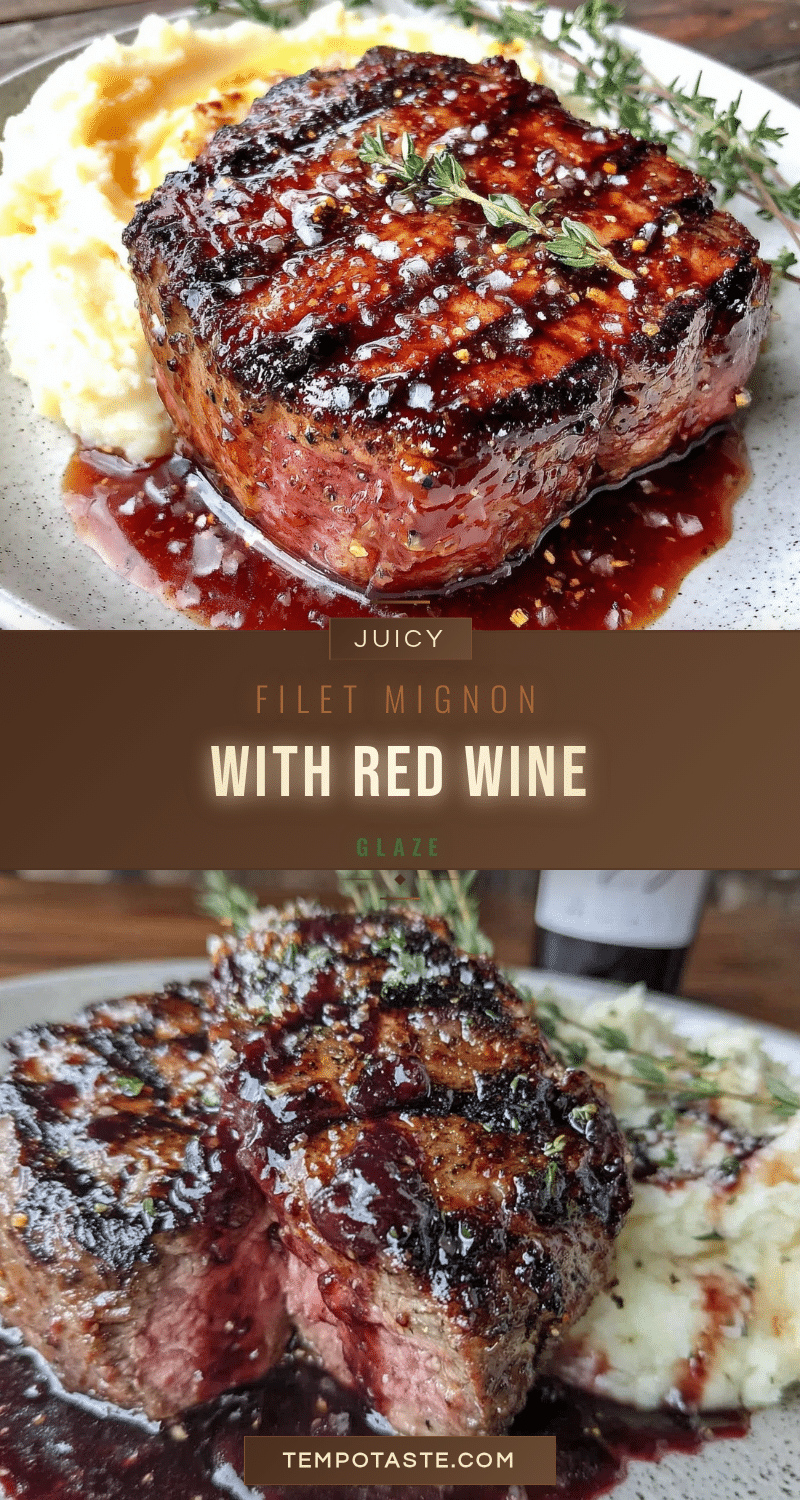
Perfect Filet Mignon Recipe with Easy Red Wine Reduction Sauce

A simple yet elegant recipe for filet mignon pan-seared to perfection and served with a rich, silky red wine reduction sauce. Perfect for busy weeknights or special occasions.
- Prep Time: 20 minutes
- Cook Time: 20 minutes
- Total Time: 40 minutes
- Yield: 2 servings 1x
- Category: Main Course
- Cuisine: American, Italian-inspired
Ingredients
- 2 filet mignon steaks (about 6 oz / 170 g each)
- Salt and freshly ground black pepper
- 2 tbsp olive oil (extra virgin recommended)
- 3 tbsp unsalted butter
- 2 garlic cloves, smashed
- 2 sprigs fresh thyme
- 1 small shallot, finely chopped
- 1 cup dry red wine (Cabernet Sauvignon or Merlot recommended)
- 1/2 cup beef stock or broth
- Fresh parsley for garnish (optional)
Instructions
- Bring steaks to room temperature for 15-20 minutes and pat dry with paper towels.
- Season steaks generously with salt and freshly ground black pepper on both sides.
- Heat a heavy skillet or cast iron pan over medium-high heat and add olive oil. Heat until shimmering but not smoking (about 2 minutes).
- Sear filet mignon steaks for 3-4 minutes per side without crowding the pan until a golden-brown crust forms. Flip carefully using tongs.
- Reduce heat to medium and add butter, smashed garlic cloves, and thyme sprigs to the pan. Tilt the pan and spoon melted butter over the steaks repeatedly for 1-2 minutes to baste.
- Check internal temperature aiming for 130-135°F (54-57°C) for medium-rare. Remove steaks and tent loosely with foil to rest for 5-10 minutes.
- Meanwhile, melt 1 tablespoon butter in a separate saucepan over medium heat. Add finely chopped shallot and sauté until translucent (about 2 minutes).
- Pour in red wine and beef stock, stirring occasionally. Let simmer gently for 10-15 minutes until thickened to a syrupy consistency that coats the back of a spoon. Season with salt and pepper to taste.
- Optionally strain the sauce through a fine mesh sieve for a smooth finish, discarding shallots and herbs.
- Serve the rested filet mignon drizzled generously with warm red wine reduction sauce and garnish with chopped fresh parsley if desired.
Notes
Bring steaks to room temperature before cooking for even doneness. Pat dry to ensure a good sear. Use a meat thermometer to check doneness accurately. Rest steaks after cooking to lock in juices. Simmer the sauce gently to avoid bitterness. For non-alcoholic version, substitute red wine with grape juice and a splash of balsamic vinegar or lemon juice.
Nutrition
- Serving Size: 1 filet mignon steak
- Calories: 375
- Sugar: 2
- Sodium: 350
- Fat: 28
- Saturated Fat: 12
- Carbohydrates: 4
- Fiber: 0.5
- Protein: 35
Keywords: filet mignon, red wine reduction, steak recipe, easy steak dinner, pan-seared steak, elegant dinner, quick steak recipe