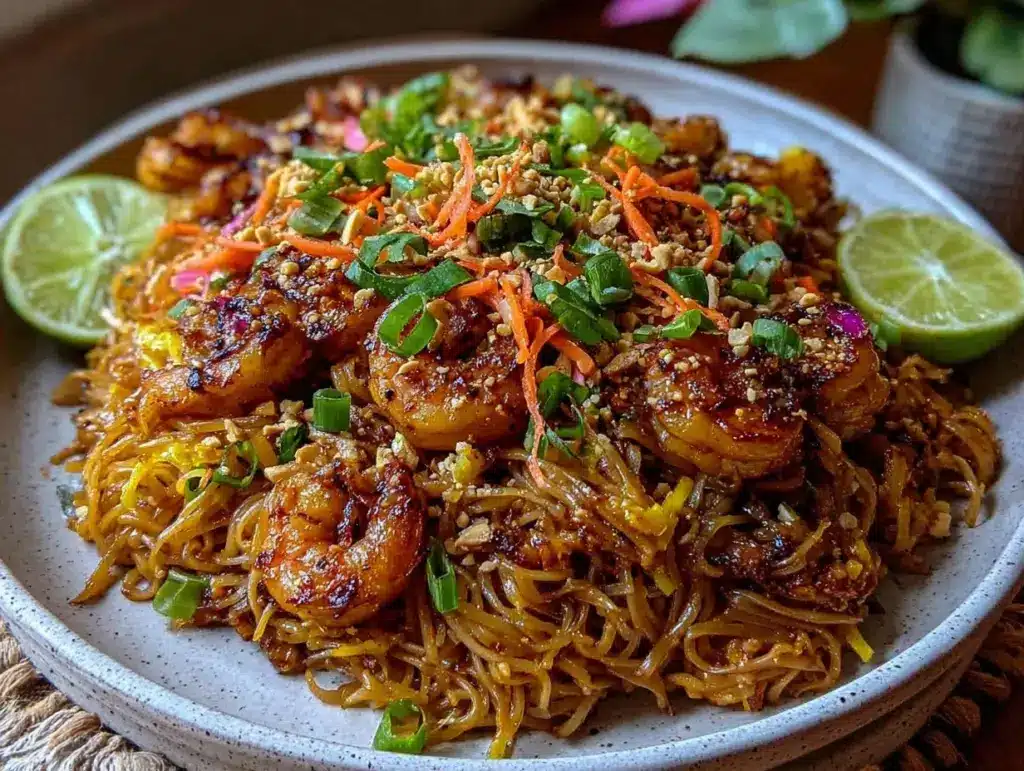
“You’re not really going to put ketchup in that, are you?” my roommate asked, raising an eyebrow as I eyed the bottle on the counter. Honestly, I was skeptical myself. I was attempting a quick pad thai recipe on a Tuesday night after a long day — nothing fancy, just something to fill the void created by my craving for that tangy, sweet, salty stir-fried noodle dish I’d devoured at a local Thai spot weeks ago. The idea came from a half-forgotten note scribbled during a midnight foodie binge, and I figured, why not try an easy pad thai recipe that anyone could whip up at home?
Well, as the sizzling pan filled the kitchen with that unmistakable aroma — the sharpness of tamarind mingling with the nuttiness of crushed peanuts and the gentle heat of chili flakes — I realized this wasn’t just a quick fix. It was a game changer. The noodles came together in minutes, the flavors hit just right, and that questionable ketchup bottle? Turned into an unexpected hero when blended just so with fish sauce and lime juice. Since then, my kitchen has been humming with this recipe on repeat. It’s fast, flavorful, and honestly, the kind of homemade Thai delight that makes you forget takeout menus.
So here’s the thing: this easy pad thai recipe isn’t about fuss or fancy ingredients — it’s an invitation to bring a bit of Thailand into your own kitchen without the stress. You’ll find the balance of tang, sweet, and spice perfectly tuned, and a few pro tips that I picked up after a few trial runs. If you’re curious about making pad thai that tastes like it was crafted by a neighbor who’s secretly a street-food chef, then this recipe might just become your new weeknight staple.
Why You’ll Love This Recipe
From my many kitchen experiments, this easy pad thai recipe stands out because it blends convenience with authentic flavor in a way that’s approachable for all cooks, no matter your experience level. I’ve tested it over several weeks, tweaking the sauce ratios and noodle texture until it felt just right. Here’s why I think you’ll love making it at home:
- Quick & Easy: Ready in about 20 minutes, perfect for those busy evenings when you want something satisfying but don’t have hours to spend cooking.
- Simple Ingredients: Most of these items are pantry staples or easy to find at your local grocery store; no exotic trips required.
- Perfect for Weeknight Dinners: Whether you’re cooking for one or feeding a small crowd, this recipe scales well and has that comforting vibe you want after a hectic day.
- Crowd-Pleaser: The balance of sweet, tangy, and savory flavors wins over even picky eaters — kids, adults, everyone.
- Unbelievably Delicious: The texture of the rice noodles combined with crunchy peanuts and fresh herbs makes every bite a little celebration.
- Unique Touch: I like to blend a splash of ketchup into the sauce for that subtle sweetness and color (trust me, it works!). Plus, cooking the noodles just right so they’re tender but not mushy really makes the difference.
This easy pad thai recipe isn’t just dinner; it’s a small culinary adventure that’s approachable, comforting, and genuinely delicious. It’s a recipe you’ll find yourself returning to, just like I did after those first few trials. And hey, if you love rich, creamy dishes too, you might enjoy my creamy one-pot vodka rigatoni for a change of pace!
What Ingredients You Will Need
This recipe uses simple, wholesome ingredients to deliver bold flavor and satisfying texture without the fuss. Most are pantry staples, and you can easily swap a few items depending on what you have. Here’s what makes the magic happen:
- Rice Noodles: 8 ounces (225 g) of flat rice noodles, preferably 1/4-inch wide — soak them in warm water to soften.
- Protein: 8 ounces (225 g) shrimp, chicken, or firm tofu — sliced or diced. I usually go for shrimp for that juicy bite.
- Eggs: 2 large eggs, lightly beaten.
- Garlic: 3 cloves, minced (adds aromatic depth).
- Green Onions: 3 stalks, sliced thinly.
- Bean Sprouts: 1 cup (about 100 g), fresh for crunch.
- Peanuts: 1/4 cup (30 g) roasted and crushed — a must for texture and nuttiness.
- Oil: 2 tablespoons vegetable or peanut oil for stir-frying.
- Pad Thai Sauce:
- 3 tablespoons fish sauce (I recommend Red Boat brand for authentic flavor)
- 1 tablespoon tamarind paste (look for a good-quality paste in Asian markets; it adds that signature tang)
- 1 tablespoon palm sugar or brown sugar (balances acidity)
- 1 tablespoon ketchup (yes, ketchup — adds sweetness and color)
- 1 teaspoon soy sauce (for extra umami)
- 1 teaspoon chili flakes or to taste (optional, for heat)
- Juice of 1 lime (freshly squeezed)
- Fresh Cilantro & Lime Wedges: For garnish and brightness.
If you want to keep it gluten-free, double-check your soy sauce or swap it for tamari. For a vegan twist, replace fish sauce with a soy sauce and lime mixture or mushroom-based sauce alternatives. I’ve found that firm tofu works wonderfully when pan-fried first for texture. In summertime, fresh mango or pineapple chunks can add a lovely tropical contrast, similar in spirit to the pineapple upside-down cake I tried last month — sweet and tangy vibes all around!
Equipment Needed
For making this easy pad thai recipe, you don’t need fancy gear, but a few kitchen staples will definitely help:
- Large Wok or Skillet: Ideally a wok for even, high-heat cooking, but a large non-stick skillet works just fine.
- Mixing Bowls: For soaking noodles and whisking eggs.
- Wooden Spoon or Spatula: For stirring without scratching your pan.
- Measuring Spoons & Cups: To get the sauce ratios right.
- Knife and Cutting Board: For prepping garlic, green onions, and protein.
If you don’t have a wok, don’t sweat it — a heavy-bottomed skillet works well to create that nice sear. For cleanup, I recommend using a silicone spatula, which is gentle on pans and great for scraping every bit of sauce. Trust me, you’ll want to savor every drop. Over the years, I’ve found that investing in a decent wok pays off if you cook stir-fries often, but for occasional cooks, your trusty skillet won’t disappoint.
Preparation Method
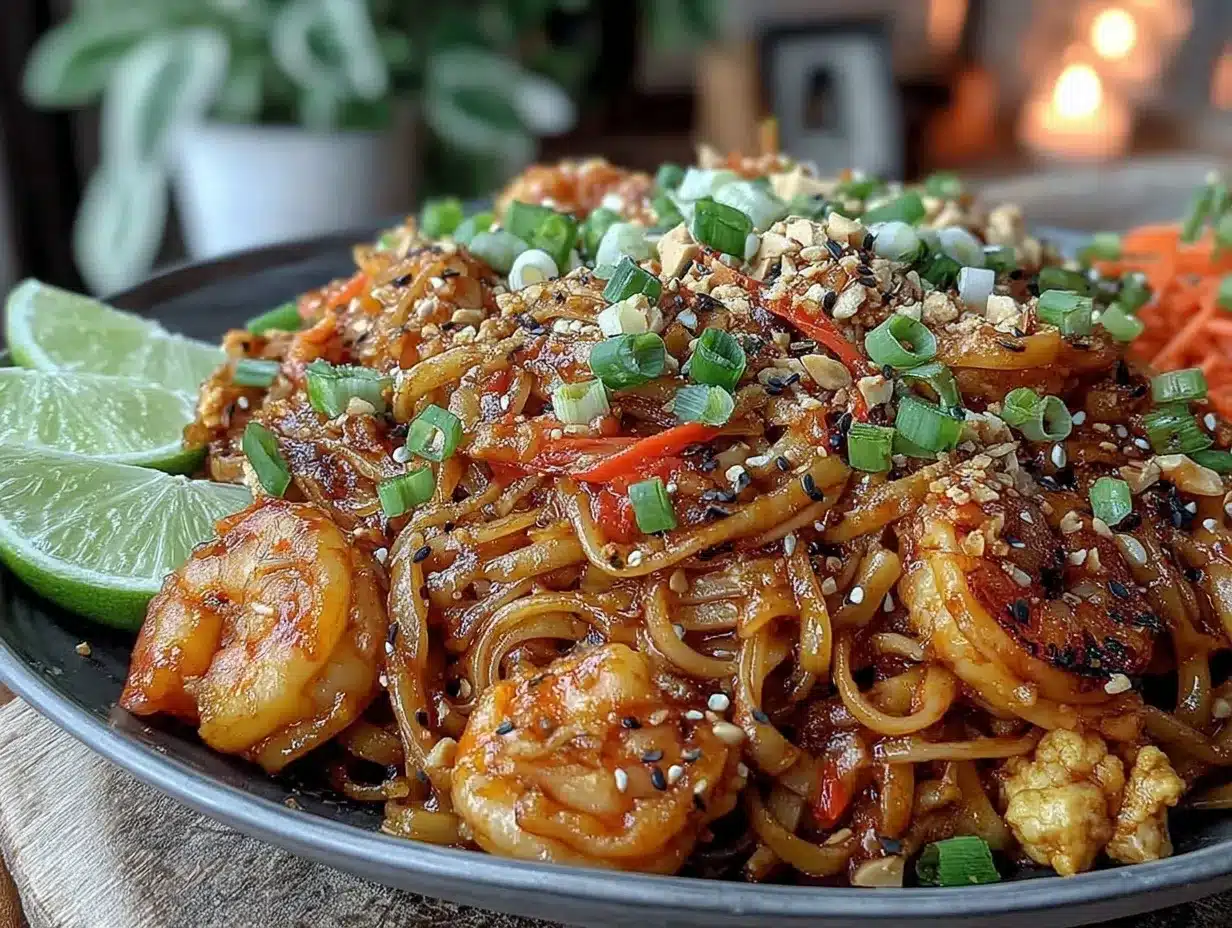
- Soak the Noodles: Place 8 ounces (225 g) of rice noodles in a large bowl and cover with warm water. Let them soak for about 20 minutes until pliable but still a bit firm. Drain and set aside. (Tip: Avoid over-soaking to prevent mushy noodles later.)
- Mix the Sauce: In a small bowl, whisk together 3 tablespoons fish sauce, 1 tablespoon tamarind paste, 1 tablespoon brown sugar, 1 tablespoon ketchup, 1 teaspoon soy sauce, and 1 teaspoon chili flakes. Adjust according to taste — the sauce should be tangy, slightly sweet, and umami-rich.
- Cook the Protein: Heat 2 tablespoons vegetable oil in your wok or skillet over medium-high heat. Add your choice of protein (about 8 ounces / 225 g shrimp, chicken, or tofu) and cook until just done — shrimp turns pink, chicken is no longer pink inside, tofu is golden. Remove and set aside.
- Scramble the Eggs: In the same pan, add a touch more oil if needed. Pour in 2 beaten eggs and scramble gently until just set but still soft. Push the eggs to one side.
- Stir-Fry Noodles & Veggies: Add the drained noodles to the pan along with minced garlic and sliced green onions. Pour the sauce over and toss everything together quickly, stirring constantly to coat the noodles evenly. Add bean sprouts and cooked protein back in and toss again for 1-2 minutes until heated through and sauce is absorbed. (Warning: Avoid overcooking noodles here; they should remain tender but firm.)
- Finish & Serve: Remove from heat and plate immediately. Garnish with crushed peanuts, fresh cilantro, and lime wedges. A quick squeeze of lime just before eating brightens the whole dish.
Pro tip: Stirring fast and keeping the heat fairly high helps replicate that authentic street-food wok hei — that smoky, slightly charred flavor that makes pad thai so addictive. If the noodles start sticking, a splash of water or extra oil can help loosen things up without making the dish greasy.
Cooking Tips & Techniques
When making pad thai at home, a few little tricks go a long way. I’ve learned these the hard way after several batches that were either too dry, too salty, or noodles stuck together like one big clump. Here’s what I keep in mind:
- Soak, Don’t Boil: Rice noodles can be delicate. Soaking until flexible but not mushy helps them cook perfectly in the stir-fry without turning into a sticky mess.
- High Heat Cooking: Use medium-high to high heat for quick cooking and to mimic the intense sear of street-food vendors. But watch closely to avoid burning the sauce.
- Balance Your Sauce: The sauce should hit salty, sweet, tangy, and spicy notes. If it’s too fishy or salty, add extra sugar or lime juice. Too sweet? Add a splash more fish sauce or tamarind.
- Timing Protein and Eggs: Cooking your protein first and setting it aside prevents overcooking. Scramble eggs quickly in the pan, then combine everything at the end to maintain texture.
- Don’t Overcrowd the Pan: Stir-fry in batches if needed. Crowding lowers the heat and makes the dish soggy.
- Crush Peanuts Fresh: Crushing peanuts yourself adds freshness and crunch, rather than the pre-ground stuff that can get stale.
- Multitasking: While noodles soak, prep your sauce and ingredients. This workflow saves time and keeps the process smooth.
One personal misstep I made early on was skipping the tamarind paste and using only lime juice. The dish lacked that earthy sourness that’s signature to pad thai. After adding tamarind, the flavor rounded out beautifully. Also, I recommend checking your fish sauce brand — some are super salty, so adjust accordingly.
Variations & Adaptations
Pad thai is wonderfully versatile, making it easy to tweak for your tastes or dietary needs. Here are some ways I’ve adapted the recipe:
- Vegetarian/Vegan: Swap fish sauce for soy sauce or tamari and use tofu or extra veggies like bell peppers and snap peas. Coconut aminos is another good fish sauce alternative.
- Gluten-Free: Use gluten-free tamari instead of soy sauce and double-check your tamarind paste ingredients.
- Protein Swaps: Try thinly sliced beef or pork, or shredded rotisserie chicken for a shortcut.
- Spicy Kick: Add fresh sliced Thai chilies or a dash of sriracha for extra heat.
- Seasonal Twists: In colder months, toss in shredded carrots or sautéed mushrooms. In warm weather, fresh mango or pineapple chunks add sweetness and texture.
One favorite variation I tried recently was swapping in zucchini noodles alongside regular rice noodles for a lighter dish — it worked surprisingly well and added a fresh crunch. If you enjoy pasta dishes, you might appreciate how the pad thai compares with the cherry tomato brown butter pasta I featured last summer — both balance freshness and richness beautifully.
Serving & Storage Suggestions
This easy pad thai is best served hot and fresh from the wok, garnished with peanuts, cilantro, and lime to keep the flavors bright. If you’re plating for a group, offer extra lime wedges and chili flakes on the side so everyone can customize their heat and acidity.
Pair it with a crisp Asian-style cucumber salad or light spring rolls to round out the meal. For drinks, a cold jasmine iced tea or a light lager complements the bold flavors perfectly.
Leftovers keep well in the fridge for 2-3 days, stored in an airtight container. When reheating, add a splash of water and gently toss in a skillet over medium heat to loosen the noodles without drying them out. The flavors actually deepen overnight, making next-day pad thai even tastier (if you can wait that long!).
Nutritional Information & Benefits
Each serving of this easy pad thai recipe (about 1.5 cups / 300 g) contains approximately:
| Calories | 450 kcal |
|---|---|
| Protein | 28 g (from shrimp or chicken, or tofu) |
| Carbohydrates | 55 g (mainly from rice noodles) |
| Fat | 12 g (mostly from peanuts and cooking oil) |
Pad thai offers a balanced meal with protein, carbs, and healthy fats from peanuts. Tamarind adds antioxidants and aids digestion, while fresh lime juice provides vitamin C. Using tofu or shrimp keeps it light yet filling. If you have nut allergies, omit peanuts and substitute with crushed roasted chickpeas for crunch. This recipe is naturally gluten-free when using the right tamari or soy sauce alternatives.
Conclusion
Making pad thai at home doesn’t have to be intimidating — this easy pad thai recipe proves you can get near-authentic flavors with simple steps and everyday ingredients. It’s a quick, satisfying dish that brings a little Thai street-food vibe to your kitchen any night of the week. I love how adaptable it is, letting you play with proteins, spice, and veggies based on what’s in your fridge.
Whether you’re a seasoned cook or someone just looking for a flavorful weeknight meal, this recipe offers a reliable way to enjoy homemade Thai delight without fuss. Give it a try, then tweak it to your heart’s content — that’s the joy of cooking, after all. And if you ever want a cozy pasta counterpart, my creamy one-pot white chicken chili is a comforting dish worth bookmarking.
Happy cooking and savor every bite!
FAQs
- Can I use dried noodles instead of fresh rice noodles?
Yes, dried rice noodles work well too. Soak them in warm water until pliable before cooking. Avoid boiling them directly to prevent mushiness. - What if I don’t have tamarind paste?
You can substitute with a mix of lime juice and a bit of brown sugar, but the flavor won’t be quite the same. Tamarind paste adds a unique tanginess that’s hard to replicate. - Is pad thai gluten-free?
Traditional pad thai with fish sauce, tamarind, and rice noodles is naturally gluten-free, but check soy sauce labels or use tamari to ensure no gluten. - How spicy is this recipe?
The chili flakes are optional and can be adjusted. Start mild and add more if you like heat. Fresh Thai chilies can also be added for extra kick. - Can I make this recipe ahead of time?
You can prep ingredients and sauce ahead, but it’s best to cook and serve pad thai fresh for optimal texture. Leftovers can be refrigerated and reheated gently.
Pin This Recipe!
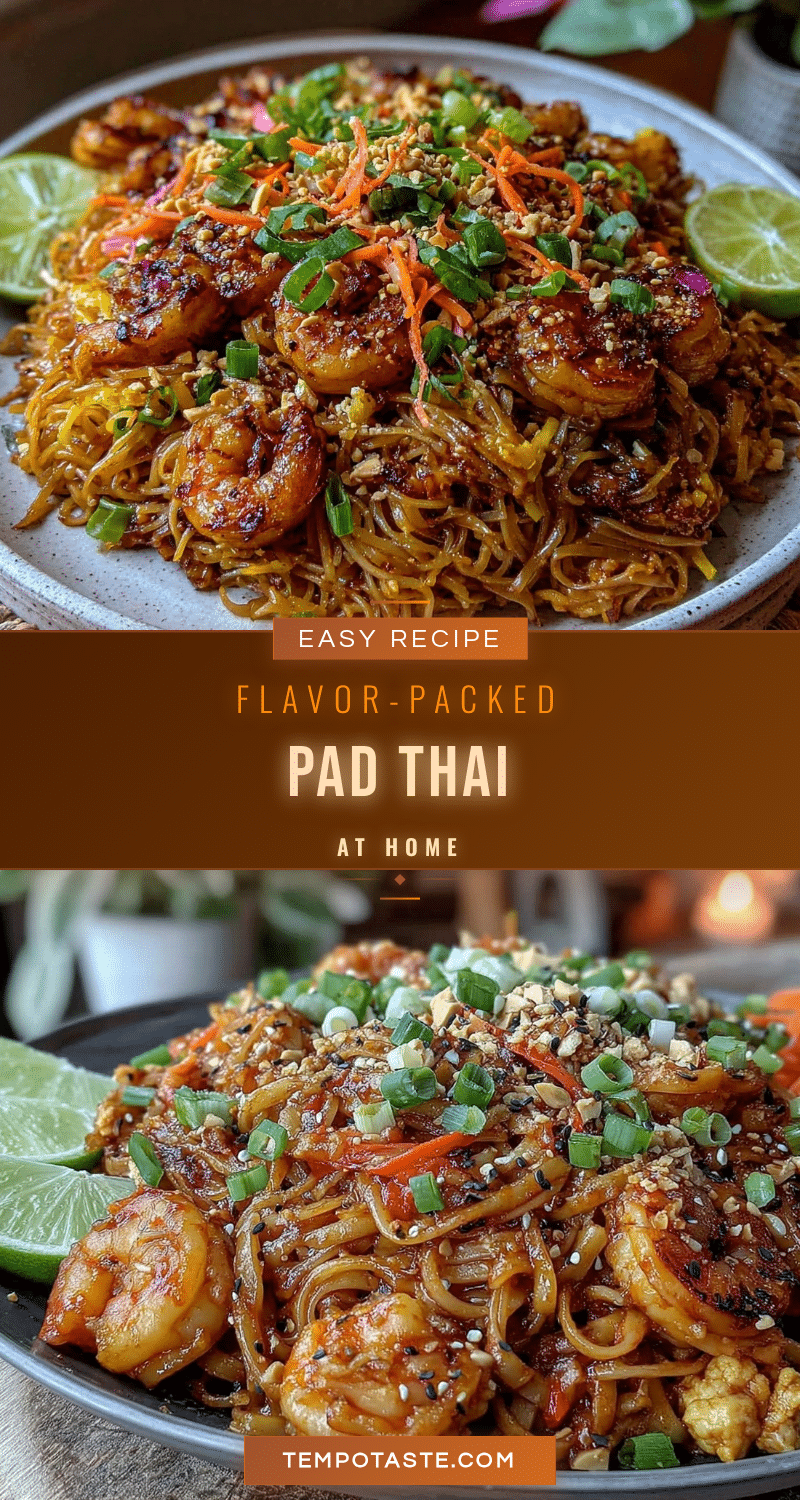
Easy Pad Thai Recipe

A quick and flavorful homemade Thai stir-fried noodle dish that balances tangy, sweet, and savory flavors with simple ingredients and easy steps.
- Prep Time: 20 minutes
- Cook Time: 10 minutes
- Total Time: 30 minutes
- Yield: 3-4 servings 1x
- Category: Main Course
- Cuisine: Thai
Ingredients
- 8 ounces (225 g) flat rice noodles, preferably 1/4-inch wide
- 8 ounces (225 g) shrimp, chicken, or firm tofu, sliced or diced
- 2 large eggs, lightly beaten
- 3 cloves garlic, minced
- 3 stalks green onions, sliced thinly
- 1 cup (about 100 g) fresh bean sprouts
- 1/4 cup (30 g) roasted and crushed peanuts
- 2 tablespoons vegetable or peanut oil
- 3 tablespoons fish sauce
- 1 tablespoon tamarind paste
- 1 tablespoon palm sugar or brown sugar
- 1 tablespoon ketchup
- 1 teaspoon soy sauce
- 1 teaspoon chili flakes (optional)
- Juice of 1 lime
- Fresh cilantro and lime wedges for garnish
Instructions
- Soak the rice noodles in warm water for about 20 minutes until pliable but still a bit firm. Drain and set aside.
- In a small bowl, whisk together fish sauce, tamarind paste, brown sugar, ketchup, soy sauce, and chili flakes to make the sauce. Adjust to taste.
- Heat vegetable oil in a wok or large skillet over medium-high heat. Cook the protein (shrimp, chicken, or tofu) until just done. Remove and set aside.
- In the same pan, add more oil if needed and scramble the beaten eggs until just set but still soft. Push eggs to one side.
- Add drained noodles, minced garlic, and sliced green onions to the pan. Pour the sauce over and toss quickly to coat noodles evenly.
- Add bean sprouts and cooked protein back to the pan. Toss for 1-2 minutes until heated through and sauce is absorbed. Avoid overcooking noodles.
- Remove from heat and plate immediately. Garnish with crushed peanuts, fresh cilantro, and lime wedges. Squeeze lime juice before serving.
Notes
Avoid over-soaking noodles to prevent mushiness. Use medium-high to high heat for quick cooking and authentic wok hei flavor. Adjust sauce balance to taste. For vegan version, replace fish sauce with soy sauce or mushroom-based alternatives. Use tamari for gluten-free. Crush peanuts fresh for best texture.
Nutrition
- Serving Size: About 1.5 cups (300
- Calories: 450
- Fat: 12
- Carbohydrates: 55
- Protein: 28
Keywords: Pad Thai, Thai recipe, stir-fry noodles, easy Pad Thai, homemade Thai food, shrimp Pad Thai, chicken Pad Thai, tofu Pad Thai, gluten-free Pad Thai