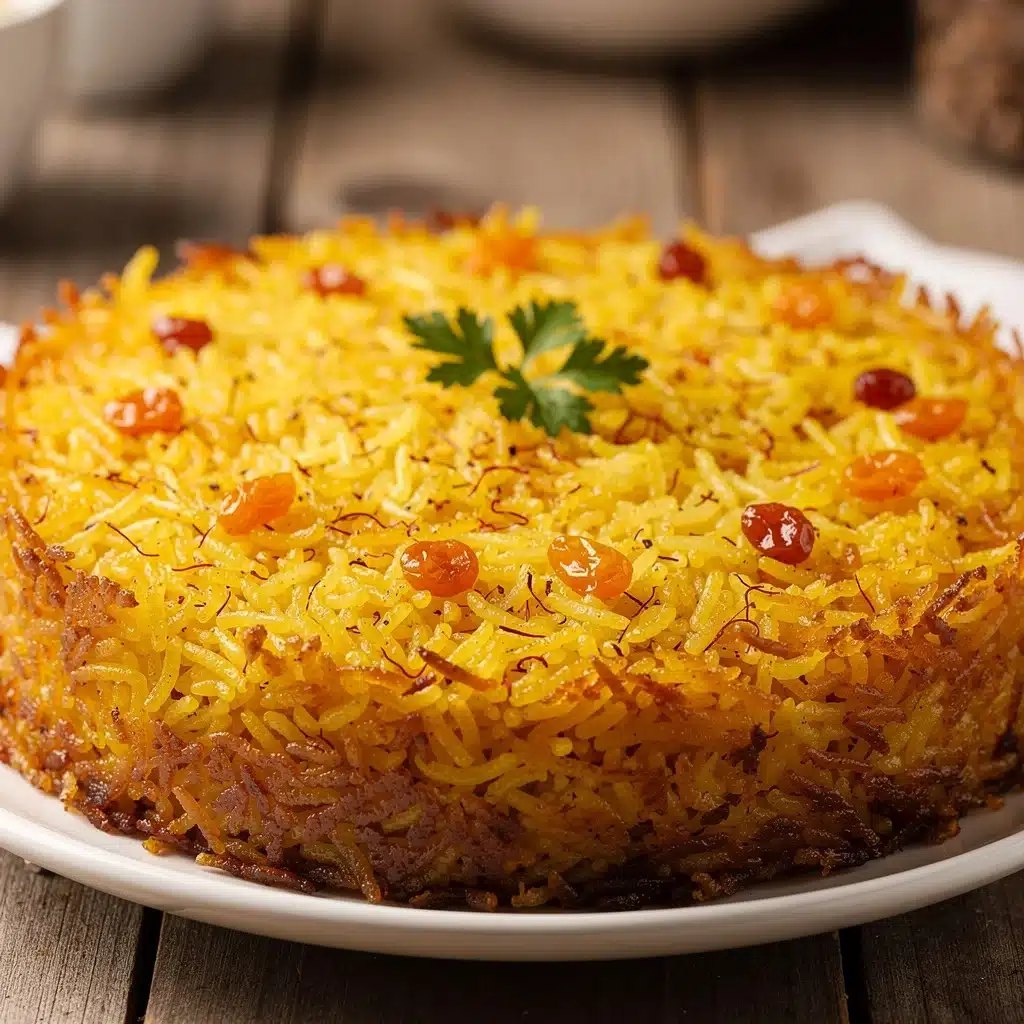
“Wait, did you just make that crispy crust from scratch?” my friend asked incredulously as I carefully lifted the pot lid, revealing the golden tahdig—the crispy Persian rice crust that’s both a prize and a staple at any Persian table. Honestly, I was half-expecting a disaster when I first tried making Crispy Persian Saffron Rice with Golden Tahdig at home. My kitchen was a chaotic mess of saffron-stained fingers and sticky rice grains, but that unforgettable aroma of saffron and the satisfying crunch beneath the fluffy rice made it all worth it.
Growing up, I always admired my neighbor’s effortless way with Persian food, especially her rice. It seemed like magic how the rice was fluffy yet held that perfect golden crust. One evening, after a long, stressful day, I finally gave in to the challenge. What started as a skeptical experiment turned into a comforting ritual. Making this saffron rice became less about the perfect technique and more about that quiet moment when the tahdig crackles under my spoon and the scent fills the room. It’s the kind of dish that feels like a warm hug—even on the busiest nights.
This recipe for Crispy Persian Saffron Rice with Golden Tahdig has stuck around my kitchen for this reason. It’s not just about getting everything right; it’s about the experience—the little imperfections, the patience, and the reward of that golden crust. And honestly, once you nail the tahdig, it’s hard not to smile every time. If you’ve ever hesitated to try Persian rice at home, this recipe might just be the one that changes your mind.
Why You’ll Love This Recipe
Crafting the perfect Crispy Persian Saffron Rice with Golden Tahdig might sound intimidating, but from my many trials and tweaks, I can say this recipe hits that sweet spot of impressive yet doable. Here’s why it’s become a favorite:
- Quick & Easy: Despite appearances, it comes together in about 45 minutes, making it ideal for weeknight dinners or when you want something special but not complicated.
- Simple Ingredients: You don’t need exotic supplies; pantry staples like basmati rice and saffron powder carry the day.
- Perfect for Dinner Parties: Impress guests with a dish that looks like it took hours but really just takes some patience and love.
- Crowd-Pleaser: Kids and adults alike can’t get enough of the crispy tahdig, especially when paired with stews or grilled meats.
- Unbelievably Delicious: The saffron-infused rice is fragrant and vibrant, while the tahdig offers a crunchy texture contrast that’s pure comfort food.
This isn’t just any saffron rice recipe. The magic lies in the balancing act between soaking the rice just right, layering in saffron-infused water, and cooking it low and slow for that perfect crust. My little trick is rinsing the rice thoroughly to wash away excess starch and then parboiling it before steaming, which locks in the fluffiness while setting the stage for tahdig. Compared to other versions, this one has a reliably crisp bottom without burning—a nuance I perfected after a few smoky kitchen incidents I’d rather forget.
Honestly, once you master this, you might find yourself making it several times a week, just like I did during that phase when I couldn’t get enough. It’s a dish that’s as much about patience as it is about flavor, and it rewards you with every bite.
What Ingredients You Will Need
This recipe uses simple, wholesome ingredients to deliver bold flavor and satisfying texture without the fuss. Most are pantry staples, and you can easily find saffron in grocery stores or online. Here’s what you’ll need:
- Basmati rice: 2 cups (about 400 grams), rinsed thoroughly to remove excess starch (I prefer laila brand for its long grains)
- Water: For soaking and boiling the rice
- Saffron threads: 1 teaspoon, crushed and steeped in 3 tablespoons hot water (fresh saffron yields better aroma but powder works too)
- Salt: 1½ teaspoons, divided
- Butter or vegetable oil: 4 tablespoons (unsalted butter adds richness; for dairy-free, use safflower or canola oil)
- Plain yogurt or sour cream: ¼ cup (60 ml), optional but helps create a tender crust
- Water or broth: For steaming
Optional but recommended:
- Turmeric powder: ¼ teaspoon, for extra golden color
- Thin potato slices or lavash bread: To line the bottom of the pot for an alternative tahdig texture
Substitutions:
- Swap yogurt with dairy-free coconut yogurt for a vegan-friendly tahdig
- Use cauliflower rice for a low-carb version, though the tahdig texture will differ
Keep in mind that the quality of your basmati rice and saffron greatly impact the final taste and aroma, so it’s worth investing in good sources. The saffron’s floral, slightly honeyed notes are what make this dish feel special and authentic.
Equipment Needed
- Large bowl: For soaking and rinsing the rice
- Fine mesh strainer: To rinse and drain the rice properly
- Medium pot with a tight-fitting lid: Ideally non-stick or heavy-bottomed to prevent burning while cooking the tahdig
- Small bowl: To steep saffron threads
- Wooden spoon or spatula: For mixing and fluffing the rice gently
- Kitchen towel: Optional, to wrap around the pot lid to trap steam and keep rice moist
If you don’t have a heavy-bottomed pot, a Dutch oven works well because it distributes heat evenly. Avoid thin pans that can cause hot spots and burning. I once used a regular saucepan and ended up with half the rice stuck to the bottom—lesson learned!
For those on a budget, a well-seasoned cast iron skillet can double as a tahdig cooker, just be sure to monitor heat carefully. And if you want to experiment with different tahdig styles, using thinly sliced potatoes requires a sharp mandoline or a knife you trust (safety first!).
Preparation Method
- Rinse the rice: Place the basmati rice in a large bowl and cover with cold water. Swirl gently, drain, and repeat 3-4 times until the water runs mostly clear. This step removes excess starch, which helps keep the grains separate. Soak rice in fresh water with 1 teaspoon salt for at least 30 minutes.
- Prepare saffron: In a small bowl, crush saffron threads with your fingers and pour 3 tablespoons of hot water over them. Let steep for 10-15 minutes until the color deepens to a rich amber.
- Parboil rice: Bring a large pot of water to boil (about 8 cups/2 liters). Add ½ teaspoon salt and drain the soaked rice. Add rice to boiling water and cook for 5-7 minutes, stirring occasionally. The grains should be tender but still firm in the center (al dente). Drain immediately in a fine mesh strainer.
- Mix saffron and rice: In a large bowl, combine parboiled rice with saffron water and turmeric (if using). Gently toss to coat all grains evenly with the saffron mixture. This gives the rice its signature golden hue and aroma.
- Prepare tahdig base: In your cooking pot, melt butter or heat oil over medium heat. If you’re lining with thin potato slices or lavash bread, arrange them evenly at the bottom now. For a classic tahdig, spread a thin layer of the saffron rice mixture directly into the pot, pressing gently.
- Layer rice: Carefully spoon the remaining rice on top, mounding it slightly but not packing it down. Make a few holes with the handle of a wooden spoon to allow steam to escape.
- Steam the rice: Cover the pot with a lid wrapped in a clean kitchen towel (this traps steam and prevents condensation from dripping back). Reduce heat to low, and cook for 45 minutes to 1 hour. Resist peeking—this slow steam step is what makes the rice fluffy and the tahdig crispy.
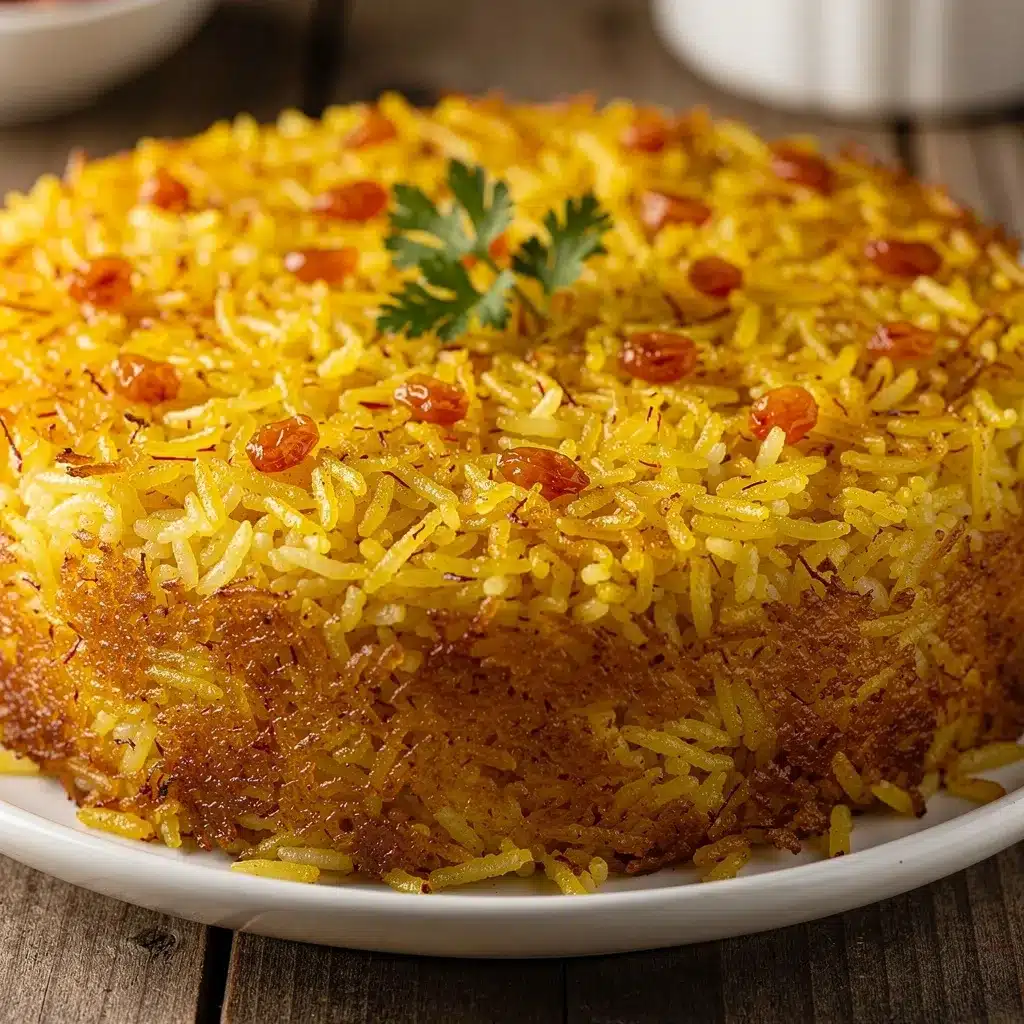
- Check and serve: When done, turn off heat and let the pot sit covered for 5 minutes. Run a spatula or knife gently around the edges to loosen the tahdig. Invert the pot onto a large serving platter so the golden crust is on top. If it sticks, a little patience or a gentle tap usually helps.
Pro tip: If you notice smoke or burning smells, reduce the heat immediately. You want a steady low simmer, not a quick fry. The difference between perfect tahdig and burnt rice is all in the temperature control.
Cooking Tips & Techniques
Getting the perfect tahdig can be tricky, but here are some tips from my kitchen trials:
- Rinse and soak rice well: It’s tempting to skip, but this step prevents clumping and helps the grains stay fluffy after steaming.
- Don’t rush the steaming: Low and slow is key. High heat burns the crust before the rice cooks through.
- Use a heavy-bottomed pot: This helps heat distribute evenly, reducing hot spots that cause burning.
- Wrap the lid with cloth: This old-school technique traps steam beautifully and keeps the rice moist.
- Practice makes perfect: My first tahdig attempts were more “mostly stuck” than “crispy golden,” but patience and adjusting the heat made a world of difference.
- Don’t overpack the pot: Leave some room so steam can circulate for even cooking.
One time, I mixed saffron too early and lost some of its fragrance during cooking; steeping saffron separately and adding it just before layering gave a deeper aroma. Also, using a mix of butter and oil creates a rich flavor with less risk of burning.
Timing-wise, you can multitask other dishes while the rice steams—like prepping a simple pantry cleanout dinner or whipping up a quick protein smoothie from my healthy creamy smoothie guide.
Variations & Adaptations
This recipe is super adaptable to different tastes and dietary needs:
- Potato Tahdig: Instead of rice at the bottom, layer thinly sliced potatoes for a crispy golden potato crust. It adds a hearty texture and is a personal favorite.
- Lavash Tahdig: Use Persian flatbread (lavash) to line the pot bottom for a crunchy, almost cracker-like tahdig that’s delicious with stews.
- Vegan Version: Swap butter for olive oil and eliminate yogurt; the crust will still form beautifully with careful steaming.
- Herb-Infused: Mix chopped fresh dill or parsley into the saffron rice for a green, fragrant twist.
- Spiced Up: Add a pinch of cinnamon or cardamom to saffron water to give the rice a subtle warm spice note.
I once tried mixing quinoa with basmati for a protein boost, which worked surprisingly well, but the tahdig texture was a bit different—still tasty though!
Serving & Storage Suggestions
Serve your Crispy Persian Saffron Rice with Golden Tahdig hot, right after flipping it onto the platter. The contrast between fluffy rice and crunchy tahdig is best fresh. Pair it with Persian stews like ghormeh sabzi or fesenjan, grilled meats, or even a simple cucumber and tomato salad for a refreshing balance.
Leftovers keep well in an airtight container in the fridge for up to 3 days. To reheat, sprinkle a little water over the rice, cover with foil, and warm in the oven or microwave until heated through. Avoid reheating directly on the stove to keep the tahdig crispy.
Over time, the saffron flavor deepens, but the tahdig loses its crunch, so it’s best enjoyed on day one. For a snack, you can gently pan-fry leftover tahdig pieces to crisp them back up—a little guilty pleasure!
Nutritional Information & Benefits
This saffron rice recipe is mostly carbohydrate-based, providing energy from basmati rice, which is lower glycemic than some other white rices. Saffron, apart from its signature aroma and color, contains antioxidants that may support mood and digestion. Using moderate butter or oil adds some healthy fats without overwhelming the dish.
Per serving (about 1 cup cooked rice): approximately 250 calories, 5g fat, 45g carbohydrates, 5g protein. This dish is naturally gluten-free and can be made dairy-free with simple swaps. Just watch the butter quantity if you’re tracking fats.
From a wellness perspective, this dish reminds me that comfort food doesn’t have to be complicated or heavy—it can be simple, fragrant, and nourishing all at once.
Conclusion
Crispy Persian Saffron Rice with Golden Tahdig is one of those recipes that quietly earns a place in your cooking rotation because it feels both impressive and doable. The hypnotic aroma of saffron, the fluffy grains, and that addictive crunchy crust make it a dish worth mastering. Whether you’re cooking for a weeknight dinner or a special occasion, this recipe offers a little moment of joy that’s hard to beat.
Feel free to tweak the flavors, try different tahdig bases, or pair it with your favorite Persian dishes. I still smile every time I serve it, and I hope you do too. If you want to try more crispy delights, you might enjoy the crispy gooey cheese pull recipes or the crispy baked falafel bowls for some texture fun.
Give it a try, and let me know how your tahdig turns out!
FAQs
What is tahdig and why is it important in Persian rice?
Tahdig is the crispy golden crust that forms at the bottom of the pot when cooking Persian rice. It’s prized for its crunchy texture and rich flavor, often considered the best part of the meal.
Can I use regular white rice instead of basmati?
Basmati rice is preferred because of its long grains and lower starch content, which helps achieve fluffy rice and crispy tahdig. Regular white rice may turn stickier and less fluffy.
How do I prevent the tahdig from burning?
Use a heavy-bottomed pot and cook on low heat during the steaming phase. Wrapping the lid with a kitchen towel helps trap steam and keeps rice moist, reducing burning risk.
Can I make tahdig without butter?
Yes, you can use vegetable oil or olive oil instead of butter for a dairy-free option. The crust will still form, though butter adds a richer flavor.
Is it okay to prepare saffron ahead of time?
It’s best to steep saffron threads just before use to preserve aroma and color. Pre-soaking saffron too early may cause the flavor to fade during cooking.
Pin This Recipe!
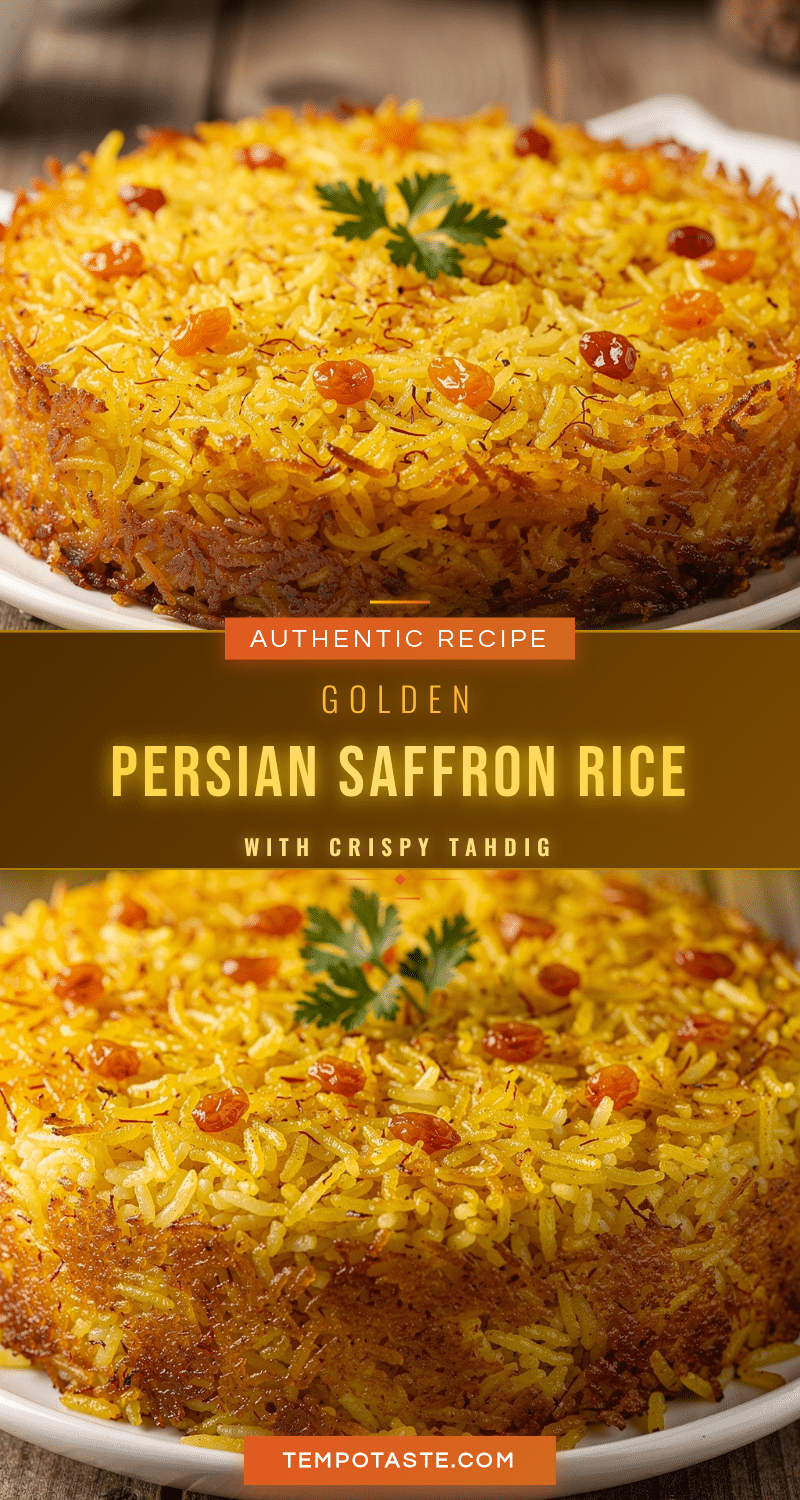
Crispy Persian Saffron Rice with Perfect Golden Tahdig

A fragrant and vibrant Persian saffron rice recipe featuring a prized crispy golden tahdig crust, perfect for weeknight dinners or special occasions.
- Prep Time: 40 minutes
- Cook Time: 45 minutes
- Total Time: 1 hour 25 minutes
- Yield: 4 servings 1x
- Category: Main Course
- Cuisine: Persian
Ingredients
- 2 cups basmati rice (about 400 grams), rinsed thoroughly
- Water for soaking and boiling
- 1 teaspoon saffron threads, crushed and steeped in 3 tablespoons hot water
- 1½ teaspoons salt, divided
- 4 tablespoons butter or vegetable oil (unsalted butter preferred; safflower or canola oil for dairy-free)
- ¼ cup (60 ml) plain yogurt or sour cream (optional)
- Water or broth for steaming
- ¼ teaspoon turmeric powder (optional, for extra golden color)
- Thin potato slices or lavash bread (optional, for lining the pot)
Instructions
- Rinse the basmati rice in a large bowl with cold water 3-4 times until water runs mostly clear. Soak rice in fresh water with 1 teaspoon salt for at least 30 minutes.
- Crush saffron threads in a small bowl and steep in 3 tablespoons hot water for 10-15 minutes until color deepens.
- Bring about 8 cups (2 liters) of water to a boil with ½ teaspoon salt. Drain soaked rice and parboil in boiling water for 5-7 minutes until tender but firm. Drain immediately using a fine mesh strainer.
- In a large bowl, combine parboiled rice with saffron water and turmeric powder if using. Gently toss to coat evenly.
- Melt butter or heat oil in the cooking pot over medium heat. If using, arrange thin potato slices or lavash bread evenly at the bottom. For classic tahdig, spread a thin layer of saffron rice mixture directly into the pot, pressing gently.
- Spoon remaining rice on top, mounding slightly without packing down. Make a few holes with the handle of a wooden spoon to allow steam to escape.
- Cover the pot with a lid wrapped in a clean kitchen towel to trap steam. Reduce heat to low and cook for 45 minutes to 1 hour without peeking.
- Turn off heat and let the pot sit covered for 5 minutes. Run a spatula or knife gently around edges to loosen tahdig. Invert pot onto a serving platter so the golden crust is on top. Use patience or gentle tapping if it sticks.
Notes
Use a heavy-bottomed pot or Dutch oven to prevent burning. Wrap the lid with a kitchen towel to trap steam and keep rice moist. Maintain low heat during steaming to avoid burning the tahdig. For dairy-free, substitute butter with oil and yogurt with coconut yogurt. Thin potato slices or lavash bread can be used as alternative tahdig bases. Avoid overpacking the pot to allow steam circulation. Steep saffron just before use to preserve aroma and color.
Nutrition
- Serving Size: About 1 cup cooked r
- Calories: 250
- Fat: 5
- Carbohydrates: 45
- Protein: 5
Keywords: Persian rice, saffron rice, tahdig, crispy rice crust, basmati rice, Persian cuisine, golden tahdig, saffron, easy Persian recipe