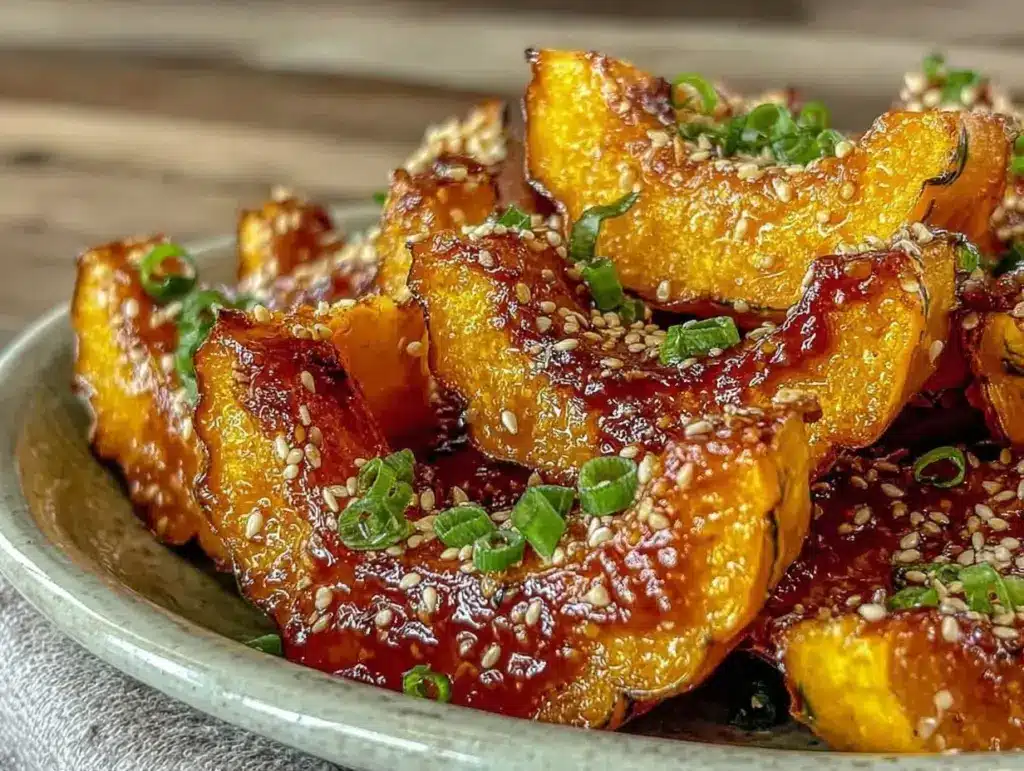
The smell of roasted kabocha squash caramelizing with a sweet-savory miso glaze is something that instantly transports me to cozy autumn evenings. Honestly, I first stumbled upon this recipe during a chilly fall weekend when I had a half-forgotten kabocha sitting in my fridge, and a jar of miso paste that I hardly used. The moment these two met in the oven, I knew I had found a keeper. This roasted kabocha squash with miso glaze quickly became my go-to side dish for everything from casual dinners to holiday feasts.
As someone who loves bold flavors but also appreciates simple, quick meals, this recipe hits the sweet spot. The natural sweetness of the kabocha pairs beautifully with the umami punch from the miso, creating a balance that’s just right. Plus, it’s incredibly easy to make, requiring only a handful of ingredients and minimal prep. I’ve made this dish more times than I can count, tweaking the glaze a bit here and there, and it never fails to wow both guests and family alike.
If you’re new to kabocha or miso, this recipe is a fantastic introduction. It’s comforting, packed with flavor, and a little bit unexpected — perfect for anyone wanting to shake up their usual roasted vegetable routine. Whether you’re cooking for picky eaters or looking for a healthy dish that feels indulgent, this roasted kabocha squash with miso glaze delivers every time.
Why You’ll Love This Recipe
- Quick & Easy: Ready in under 40 minutes, this recipe is perfect for busy weeknights when you want something tasty without fuss.
- Simple Ingredients: You probably already have miso paste, kabocha squash, and pantry staples like soy sauce and honey on hand.
- Perfect for Fall & Winter: The warming flavors make it an ideal side for cozy dinners and festive gatherings.
- Crowd-Pleaser: Even those who usually avoid squash find this dish irresistible thanks to the savory-sweet glaze.
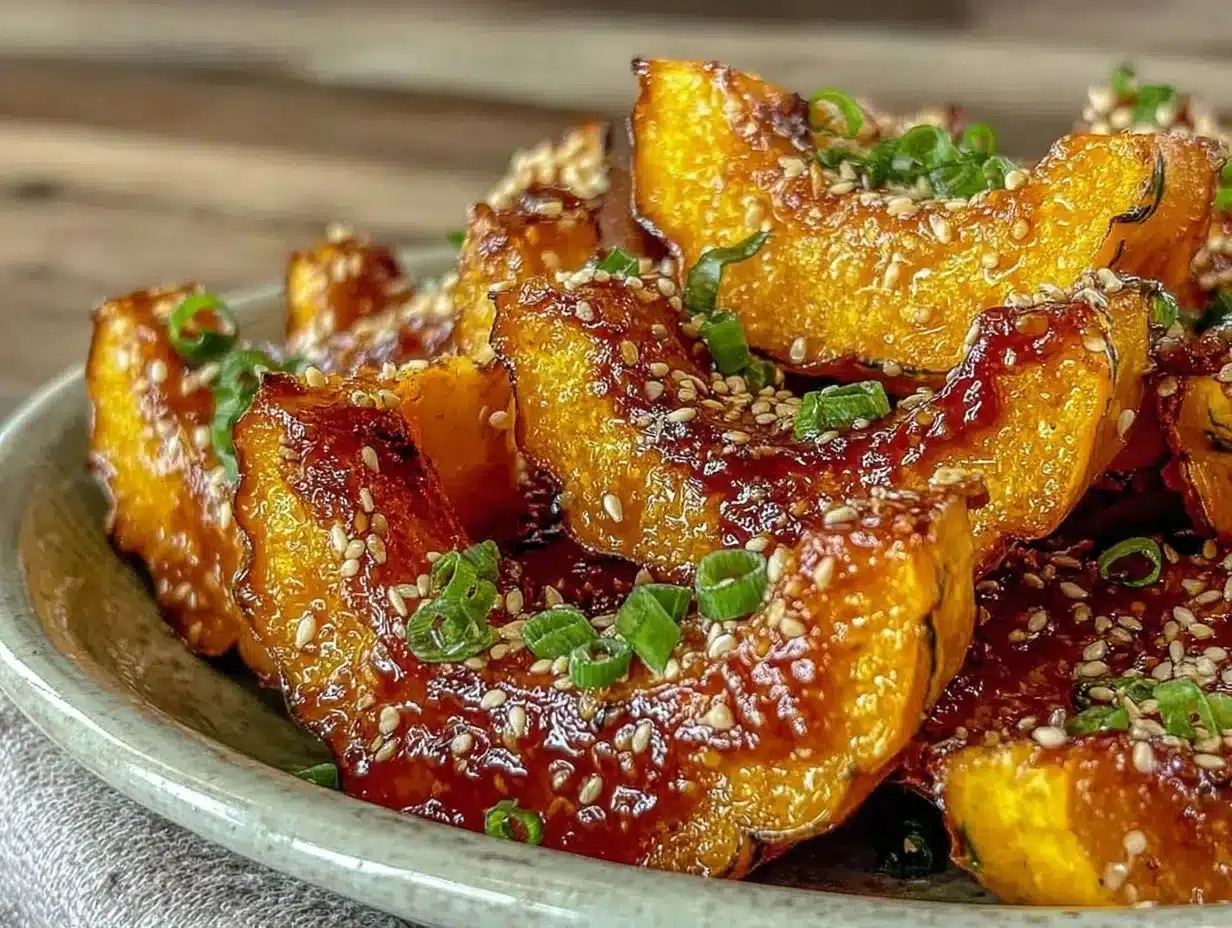
- Unbelievably Delicious: The texture of the roasted kabocha turns tender and silky, while the miso glaze adds a rich, glossy finish that’s simply mouthwatering.
This isn’t just another roasted squash recipe. The secret lies in the glaze: blending miso, honey, and a touch of soy sauce creates a beautifully balanced sauce that clings to every bite. I’ve found that using white miso gives a mild sweetness without overpowering the natural nutty flavor of the kabocha. The roasting process caramelizes the edges just right, making each forkful a perfect harmony of soft inside and slightly crisp outside. Honestly, it’s the kind of recipe that makes you close your eyes and savor every bite—a comfort dish with a modern twist.
What Ingredients You Will Need
This recipe uses simple, wholesome ingredients that come together to deliver bold flavor and a vibrant look. Most are pantry staples, making this dish super accessible any time you’re craving something special but fuss-free.
- Kabocha squash: 1 medium (about 2 to 3 pounds / 900g to 1.4kg), peeled, seeded, and cut into 1-inch wedges (firm, sweet, and less watery than other squash varieties)
- White miso paste: 3 tablespoons (I recommend Hikari brand for its smooth texture and mild flavor)
- Honey or maple syrup: 2 tablespoons (balances miso’s saltiness with natural sweetness)
- Soy sauce: 1 tablespoon (for that umami depth; low sodium works great)
- Rice vinegar: 1 teaspoon (adds a subtle tang that brightens the glaze)
- Sesame oil: 1 teaspoon (toasted preferred, for a nutty aroma)
- Garlic: 1 clove, minced (optional, but adds a nice savory punch)
- Fresh ginger: 1 teaspoon, grated (optional, for warmth and zing)
- Black pepper: to taste
- Sesame seeds: 1 tablespoon, toasted (for garnish)
- Chopped scallions: 1-2 tablespoons (optional, for freshness and color)
If you want to swap things up, you can replace honey with maple syrup for a vegan version or use tamari instead of soy sauce if you need gluten-free. Also, look for firm, small-curd kabocha squash to get the best texture — it roasts beautifully without turning mushy.
Equipment Needed
- Baking sheet: A rimmed baking sheet works best to hold the squash and catch any drips from the glaze.
- Parchment paper or silicone baking mat: For easy cleanup and to prevent sticking.
- Mixing bowl: To whisk together the miso glaze ingredients.
- Sharp knife and cutting board: Essential for prepping the squash safely and neatly.
- Measuring spoons: For precise ingredient amounts.
- Brush or spoon: To spread the glaze evenly over the squash.
If you don’t have parchment paper, a well-oiled baking sheet will do, but be prepared for a bit more cleanup. I’ve tried roasting kabocha in cast iron skillets too — it works, but the thinner baking sheet allows more even caramelization and easier turning of the squash wedges. Keeping your knife sharp is key; kabocha squash has a tough skin, and a dull blade makes prep frustrating (trust me, I’ve learned the hard way!).
Detailed Preparation Method
- Preheat your oven to 400°F (200°C). This temperature ensures the squash roasts quickly, getting tender inside with nicely caramelized edges.
- Prepare the kabocha squash: Carefully peel the squash using a sturdy vegetable peeler or sharp knife. Cut it in half, scoop out seeds, and slice into roughly 1-inch thick wedges (about 12 pieces). Try to keep wedges uniform for even cooking.
- Make the miso glaze: In a medium bowl, whisk together 3 tablespoons white miso paste, 2 tablespoons honey, 1 tablespoon soy sauce, 1 teaspoon rice vinegar, 1 teaspoon toasted sesame oil, minced garlic, and grated ginger (if using). The glaze should be smooth and slightly thick but spreadable.
- Arrange the squash wedges on a lined baking sheet: Lay them cut side down for better caramelization.
- Brush the miso glaze generously over each wedge: Be sure to coat all exposed surfaces. Save a little glaze for a second coat later if you want extra flavor punch.
- Roast in the oven for 25 minutes: After 15 minutes, flip the wedges carefully and brush with remaining glaze. This helps build layers of flavor and color.
- Check for doneness: The squash should be tender when pierced with a fork and caramelized around the edges. If it needs more time, roast an additional 5–10 minutes, watching closely to avoid burning the glaze.
- Remove from the oven and let cool slightly: This resting period helps the glaze set and flavors meld.
- Garnish with toasted sesame seeds and chopped scallions: These add a lovely crunch and freshness that balances the rich glaze.
Quick tip: If your glaze is too thick to brush easily, thin it with a splash of water or rice vinegar. Also, don’t overcrowd the baking sheet—give the wedges space to roast evenly, or they might steam instead of caramelize. I like to use a silicone spatula to flip the wedges gently; it prevents them from breaking apart.
Cooking Tips & Techniques
Roasting kabocha squash with a miso glaze is simple, but there are a few tricks I’ve picked up over time that make all the difference. First, peeling the kabocha can be tricky because of its tough skin—using a sharp peeler or carefully scoring the skin before peeling helps a lot.
One common mistake is applying the glaze too early or not turning the wedges, which can cause uneven cooking or burnt spots. Brushing the glaze halfway through roasting and flipping the squash ensures every side gets that gorgeous caramelized finish.
When roasting, keep an eye on your oven’s hotspots. Every oven is a little different, and I’ve found that rotating the baking sheet once during cooking helps keep the wedges evenly browned. Also, don’t skip the resting time after roasting; it allows the flavors to deepen and the texture to settle.
For a smoother glaze, whisk the miso paste well before adding other ingredients. If you want a little extra kick, adding a pinch of chili flakes or a drizzle of toasted chili oil right before serving can be delightful. And finally, patience is key—resisting the urge to poke or move the wedges too much during roasting helps them develop that irresistible crust.
Variations & Adaptations
- Spicy Miso Glaze: Add ½ teaspoon chili paste or sriracha to the glaze for a gentle heat that contrasts beautifully with the sweetness.
- Vegan Friendly: Swap honey for maple syrup or agave nectar to keep it plant-based without losing sweetness.
- Different Squash: Use delicata or butternut squash if kabocha isn’t available—adjust roasting time as needed since these varieties cook a bit faster.
- Grilled Version: For a smoky twist, brush the glazed wedges with oil and grill over medium heat for 10–15 minutes, turning occasionally.
- Nutty Crunch: Sprinkle toasted chopped walnuts or pumpkin seeds on top before serving for extra texture.
One variation I recently tried was adding a splash of orange juice to the glaze, which brightened the flavor and gave a subtle citrus note. It was a hit with my family and gave the dish a fresh twist perfect for holiday dinners.
Serving & Storage Suggestions
This roasted kabocha squash with miso glaze is best served warm, straight from the oven or after a brief rest. It pairs beautifully with steamed rice and a simple green vegetable or can star as a flavorful side alongside roasted meats or tofu.
For presentation, sprinkle the finished dish with sesame seeds and fresh scallions just before serving to add color and texture. A drizzle of extra sesame oil or a squeeze of lime juice can make it pop even more.
Leftovers keep well in an airtight container in the refrigerator for up to 3 days. Reheat gently in a warm oven or on the stovetop to keep the glaze glossy and the squash tender. Avoid microwaving if possible, as it can make the texture a bit mushy.
Interestingly, the flavors tend to deepen if you let the squash sit overnight—making it a great make-ahead dish for busy weeknights or meal prep.
Nutritional Information & Benefits
This dish is a nutritious way to enjoy squash—kabocha is rich in beta-carotene, which your body converts to vitamin A, supporting eye health and immune function. It’s also a good source of fiber, helping with digestion and keeping you full longer.
Miso paste contributes beneficial probiotics that can aid gut health, plus a hit of umami without adding unhealthy fats. Using minimal oil and natural sweeteners keeps this recipe light yet satisfying.
For those watching carbs, kabocha has a moderate glycemic index, making it a better choice than some starchy sides. Just keep an eye on portion sizes if you’re managing blood sugar, since the glaze adds some natural sugars.
Do keep in mind soy allergies if serving to guests, and adjust accordingly with tamari or other gluten-free soy sauce alternatives if needed.
Conclusion
If you’re looking for a side dish that’s both comforting and a little unexpected, this roasted kabocha squash with miso glaze should be on your must-try list. It’s easy to prepare, packed with flavor, and feels a bit special without requiring hours in the kitchen.
Feel free to tweak the glaze or experiment with different garnishes to make it your own. I love this recipe because it brings something unique to the table—something that tastes like warmth and care in every bite.
Give it a go, and don’t forget to share your version or any creative twists you come up with. I’m always curious about how others make this recipe their own! Happy cooking and savor every bite.
FAQs
Can I use other types of squash instead of kabocha?
Yes! Delicata, butternut, or acorn squash work well too. Just adjust roasting times, since some squash varieties cook faster than kabocha.
Is white miso paste necessary, or can I use other types?
White miso is mild and slightly sweet, which balances the squash nicely. You can try yellow or red miso for a stronger flavor, but start with less as they tend to be saltier.
How do I store leftover roasted kabocha squash?
Keep leftovers in an airtight container in the fridge for up to 3 days. Reheat gently in the oven or on the stovetop for best texture.
Can I prepare the miso glaze in advance?
Absolutely! The glaze can be mixed a day ahead and stored in the fridge. Just give it a quick whisk before brushing it on the squash.
What if I don’t have sesame oil or seeds?
You can skip the sesame oil, but it adds a nice nutty aroma. Toasted pumpkin seeds or chopped nuts make a good alternative for garnish instead of sesame seeds.
Pin This Recipe!

Roasted Kabocha Squash with Miso Glaze

A cozy and flavorful side dish featuring tender roasted kabocha squash coated in a sweet-savory miso glaze, perfect for fall and winter meals.
- Prep Time: 15 minutes
- Cook Time: 25-35 minutes
- Total Time: 40-50 minutes
- Yield: 4 servings 1x
- Category: Side Dish
- Cuisine: Japanese
Ingredients
- 1 medium kabocha squash (about 2 to 3 pounds / 900g to 1.4kg), peeled, seeded, and cut into 1-inch wedges
- 3 tablespoons white miso paste
- 2 tablespoons honey or maple syrup
- 1 tablespoon soy sauce (low sodium preferred)
- 1 teaspoon rice vinegar
- 1 teaspoon toasted sesame oil
- 1 clove garlic, minced (optional)
- 1 teaspoon fresh ginger, grated (optional)
- Black pepper, to taste
- 1 tablespoon toasted sesame seeds (for garnish)
- 1–2 tablespoons chopped scallions (optional, for garnish)
Instructions
- Preheat your oven to 400°F (200°C).
- Carefully peel the kabocha squash using a sturdy vegetable peeler or sharp knife. Cut it in half, scoop out seeds, and slice into roughly 1-inch thick wedges (about 12 pieces).
- In a medium bowl, whisk together 3 tablespoons white miso paste, 2 tablespoons honey, 1 tablespoon soy sauce, 1 teaspoon rice vinegar, 1 teaspoon toasted sesame oil, minced garlic, and grated ginger (if using) until smooth and spreadable.
- Arrange the squash wedges on a lined baking sheet, laying them cut side down for better caramelization.
- Brush the miso glaze generously over each wedge, coating all exposed surfaces. Save a little glaze for a second coat later if desired.
- Roast in the oven for 25 minutes. After 15 minutes, carefully flip the wedges and brush with the remaining glaze.
- Check for doneness by piercing the squash with a fork; it should be tender and caramelized around the edges. Roast an additional 5–10 minutes if needed, watching closely to avoid burning.
- Remove from the oven and let cool slightly to allow the glaze to set and flavors to meld.
- Garnish with toasted sesame seeds and chopped scallions before serving.
Notes
If glaze is too thick, thin with a splash of water or rice vinegar. Avoid overcrowding the baking sheet to ensure even roasting. Use a sharp knife for peeling and cutting kabocha. Resting the squash after roasting helps flavors meld. For a spicy variation, add chili paste or sriracha to the glaze. Leftovers keep well refrigerated for up to 3 days and reheat best in oven or stovetop.
Nutrition
- Serving Size: About 3 wedges per s
- Calories: 150
- Sugar: 12
- Sodium: 400
- Fat: 3
- Saturated Fat: 0.5
- Carbohydrates: 30
- Fiber: 4
- Protein: 3
Keywords: kabocha squash, miso glaze, roasted squash, easy side dish, fall recipe, vegan option, gluten-free option