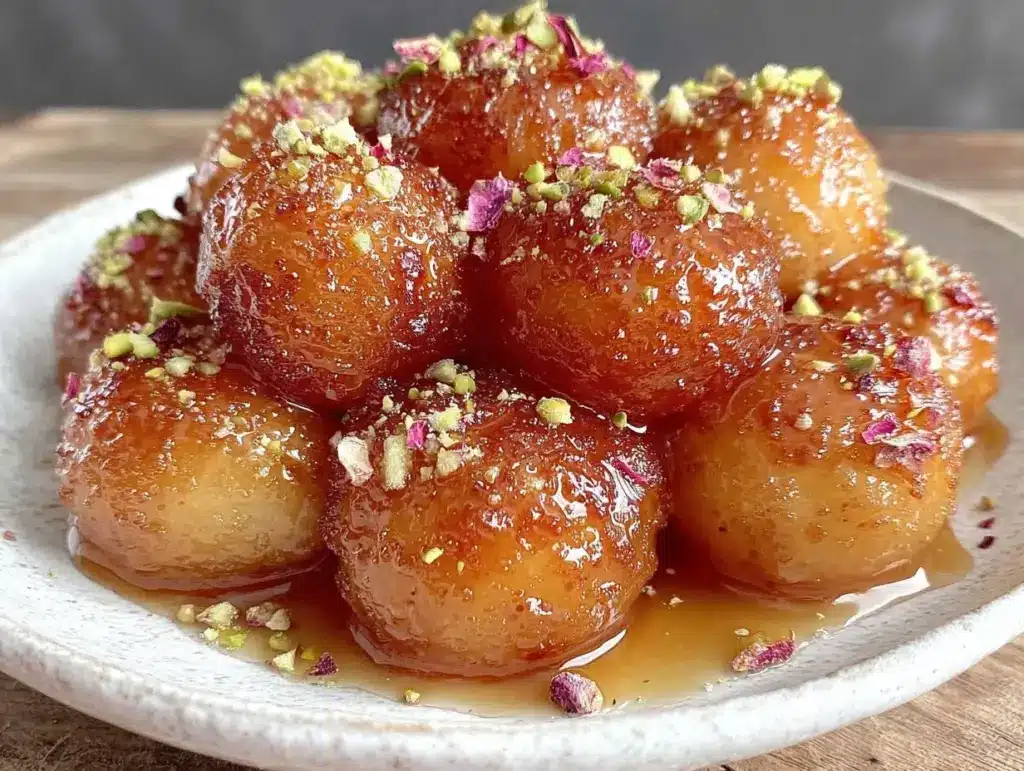
The first bite of soft gulab jamun melting in your mouth is pure magic. Honestly, the smell of warm cardamom and rose syrup wafting through the kitchen brings back memories of festive family gatherings and cozy winter nights. I remember the first time I tried making this classic Indian dessert at home—it was a bit of a mess at first, but after a handful of attempts, I cracked the code for irresistibly soft gulab jamun that everyone loved. You know, those perfectly spongy, syrup-soaked balls that are just begging to be savored with a cup of chai? That’s the recipe I want to share with you today.
Soft gulab jamun is not just any sweet treat; it’s a celebration on a plate. Whether you’re new to Indian cooking or a seasoned dessert lover, this recipe has become part of my go-to repertoire for festivals, family dinners, or whenever I crave a little indulgence. The best part? It’s easier than you think to get that melt-in-your-mouth softness at home, without needing any special ingredients or fancy equipment. Over several tries, I’ve refined the process, and I’m excited to walk you through it. If you’ve ever been intimidated by gulab jamun, this recipe might just be the one to change your mind.
So, let’s get into this soft gulab jamun recipe that’s easy to make, irresistibly delicious, and totally worth every little effort in the kitchen.
Why You’ll Love This Recipe
After making soft gulab jamun more times than I can count, I can honestly say this recipe stands out for so many reasons. Here’s why you’ll be hooked:
- Quick & Easy: You can whip up the dough and syrup in under an hour, perfect for last-minute celebrations or sweet cravings.
- Simple Ingredients: No need for exotic items—just pantry staples like milk powder, flour, and sugar bring this dessert to life.
- Perfect for Any Occasion: Whether it’s Diwali, a family gathering, or just a cozy weekend dessert, this recipe fits every vibe.
- Crowd-Pleaser: Kids and adults alike can’t get enough of these soft, syrupy balls that practically dissolve on your tongue.
- Unbelievably Delicious: The syrup is perfectly balanced with rose water and cardamom, giving it that authentic, soul-soothing flavor.
What makes this recipe different? It’s all about the technique—using just the right milk powder and flour ratio, kneading the dough gently, and frying at the perfect low temperature to keep the gulab jamun soft and airy inside. Plus, soaking them thoroughly in warm syrup makes all the difference in texture and taste. This isn’t your typical store-bought sweet; it’s homemade love you’ll want to share.
Honestly, this recipe gives you that perfect sweet spot between traditional and fuss-free. It’s comfort food with a little bit of magic, and once you get it right, you’ll be closing your eyes after every bite.
What Ingredients You Will Need
This soft gulab jamun recipe calls for simple, wholesome ingredients you probably have in your kitchen or can easily grab from the store. Each component plays a key role in making those little balls tender and flavorful.
- Milk Powder (1 cup / 100g) – The base for the dough, I prefer using Amul or any high-quality milk powder for the best texture.
- All-Purpose Flour (Maida) (3 tbsp / 24g) – Helps bind the dough without making it dense.
- Baking Soda (¼ tsp) – Just a pinch to give the gulab jamun a soft, airy texture.
- Whole Milk (about ¼ cup / 60ml) – Used to gently bring the dough together; room temperature is best.
- Ghee or Oil (for frying) – Ghee adds richness, but neutral oil works fine too.
- Sugar (2 cups / 400g) – For the syrup, regular granulated sugar is perfect.
- Water (2 cups / 480ml) – To make the syrup.
- Cardamom Pods (4-5, crushed) – Adds that classic warm, fragrant note.
- Rose Water (1 tbsp) – The secret ingredient for that authentic floral aroma.
- Saffron Strands (optional, a few) – For color and subtle flavor, if you want to get fancy.
You can swap all-purpose flour for gluten-free flour blend if needed, but the texture will shift slightly. For a dairy-free twist, try coconut milk instead of whole milk, though I recommend keeping the milk powder for the structure. For the syrup, if you don’t have rose water, a splash of vanilla extract also works in a pinch.
Equipment Needed
- Mixing Bowl: A medium-sized bowl to mix the dough comfortably.
- Deep Frying Pan or Kadhai: For frying the gulab jamun evenly in oil or ghee. I find a heavy-bottomed pan works best to maintain steady heat.
- Slotted Spoon: To gently lift the gulab jamun out without breaking them.
- Measuring Cups and Spoons: Precise measurements help get the texture right.
- Wire Rack or Paper Towels: To drain excess oil after frying.
- Thermometer (optional): Useful to keep frying oil at the perfect temperature (~320°F / 160°C), but you can manage with a simple flick test if you don’t have one.
Honestly, you don’t need fancy gadgets for this recipe. A basic kitchen setup works just fine, and if you ever want to try baking gulab jamun (yes, it’s a thing!), a baking tray and oven come into play. For cleanup, using a non-stick pan makes life easier, but traditional stainless steel is perfectly doable.
Detailed Preparation Method
- Make the Dough: In your mixing bowl, combine 1 cup (100g) of milk powder, 3 tablespoons (24g) of all-purpose flour, and ¼ teaspoon baking soda. Mix well so everything is evenly distributed.
- Add Milk Gradually: Slowly pour in about ¼ cup (60ml) of whole milk, kneading gently as you go. The goal is a soft, smooth dough that’s not sticky but holds together well. It’s okay if you need a touch more or less milk—just don’t overwork it or the gulab jamun will get tough.
- Rest the Dough: Cover the dough with a damp cloth and let it sit for 10–15 minutes. This little rest helps the flour hydrate fully, making the dough easier to shape.
- Prepare the Syrup: While the dough rests, combine 2 cups (400g) sugar and 2 cups (480ml) water in a large saucepan. Add crushed cardamom pods and optional saffron strands. Bring to a boil, then reduce heat and simmer gently for 5 minutes until the syrup slightly thickens. Stir in 1 tablespoon rose water off the heat and keep warm.
- Shape the Gulab Jamun: Divide the dough into small equal portions—about 16 to 18 balls, each roughly 1 inch (2.5 cm) in diameter. Roll gently between your palms to make smooth, crack-free spheres. Avoid pressing too hard; you want them light and airy.
- Heat the Oil/Ghee: In your deep frying pan, heat ghee or oil over medium-low heat. Test by dropping a small dough ball; it should slowly rise to the surface and turn a golden brown over a few minutes. Keep the temperature steady around 320°F (160°C) to avoid burning or undercooking.
- Fry the Gulab Jamun: Fry the balls in batches, stirring gently and continuously to ensure even browning. They’ll puff up and turn golden brown evenly over 7-8 minutes. Remove with a slotted spoon once done and drain on paper towels briefly.
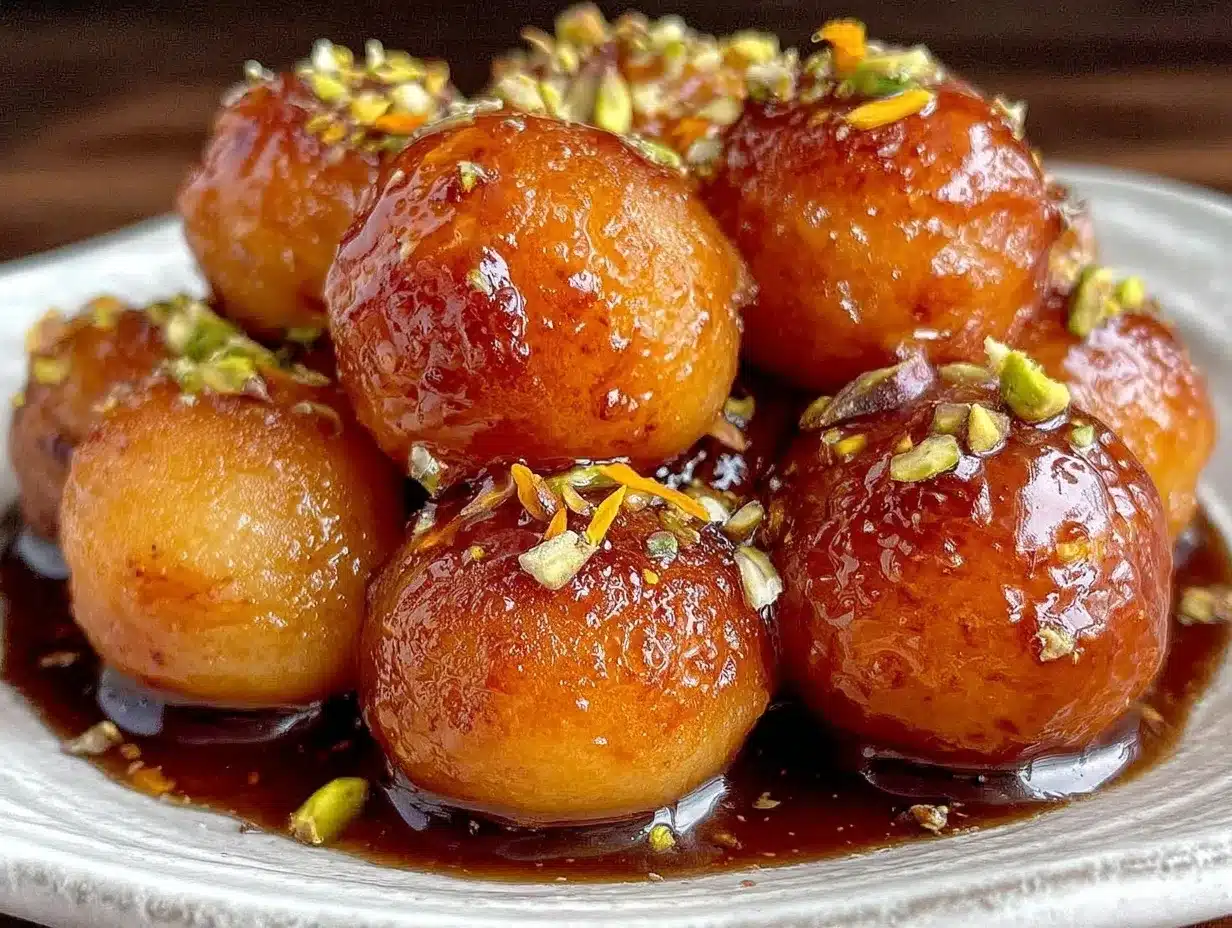
- Soak in Syrup: Immediately transfer the fried gulab jamun into the warm syrup. Let them soak for at least 30 minutes so they absorb all that sweet, fragrant goodness. You can keep them warm or serve at room temperature.
Quick tips: If the dough feels dry, a few drops of milk can help. Avoid making the dough too soft or sticky. Low and slow frying is the key to soft gulab jamun; high heat will brown the outside but leave the inside uncooked. And don’t skip that syrup soak—this is where the magic happens!
Cooking Tips & Techniques
Making soft gulab jamun can be a little tricky the first few times, but here are some lessons I’ve learned that really helped:
- Use Fresh Baking Soda: It’s surprising how much a pinch can change the texture. Old baking soda can make the dough dense.
- Milk Powder Quality Matters: I always stick to trusted brands because cheap or low-fat powders can lead to crumbly dough.
- Don’t Over-Knead: The dough needs to be just combined and smooth—overworking can make the gulab jamun tough.
- Oil Temperature Is Crucial: Too hot and the gulab jamun burn outside but stay raw inside; too cool and they absorb excess oil and become greasy.
- Gentle Frying: Keep stirring gently and frequently so the balls brown evenly and stay round.
- Syrup Consistency: The syrup should be sticky but not too thick. If it’s too thin, the gulab jamun won’t soak properly; too thick and it’ll be overly sweet.
- Soak Time: At least 30 minutes soaking is ideal, but I often leave them in syrup for a few hours or overnight—they get even better!
Once, I rushed the frying and ended up with hard, oily gulab jamun—lesson learned: patience is key. Also, if you’re multitasking, prepping the syrup first saves time and keeps everything flowing smoothly.
Variations & Adaptations
Soft gulab jamun is wonderfully versatile, and I love switching it up based on mood or dietary needs. Here are some ideas you might want to try:
- Stuffed Gulab Jamun: Fill the dough balls with chopped nuts or khoya (reduced milk solids) before frying for an extra surprise inside.
- Vegan Version: Use coconut milk instead of whole milk and vegan-friendly milk powder. Fry in coconut oil for a subtle twist.
- Flavored Syrups: Swap rose water with kewra water or add a few drops of orange blossom water for a different floral note.
- Oven-Baked: For a lighter approach, bake the dough balls at 350°F (175°C) for 20-25 minutes and then soak in warm syrup.
- Chocolate Gulab Jamun: Mix a tablespoon of cocoa powder into the dough for a rich chocolate flavor that’s fun and unexpected.
Personally, I once tried adding a pinch of nutmeg to the dough for a subtle spice, and it was a hit! Feel free to customize based on what you have or what flavors you love most. Just keep the dough consistency similar for best results.
Serving & Storage Suggestions
Soft gulab jamun is best served warm or at room temperature, drizzled with a little extra syrup. I usually present them in a beautiful bowl garnished with slivered pistachios or almonds for a pop of color and crunch.
This dessert pairs wonderfully with a cup of masala chai or a scoop of vanilla ice cream for a decadent touch. It also makes a stunning finish to an Indian-inspired dinner party or a festive spread.
Store leftover gulab jamun in an airtight container with some syrup in the fridge for up to 4 days. Reheat gently in the microwave or on the stovetop in a warm water bath to keep them soft. Freezing is possible but not recommended, as texture can suffer.
Fun fact: letting the gulab jamun soak in the syrup overnight actually deepens the flavors and softness, so if you can wait, it’s well worth it.
Nutritional Information & Benefits
Here’s a rough breakdown per serving (about 2 gulab jamun):
| Calories | 250-300 kcal |
|---|---|
| Carbohydrates | 45g |
| Fat | 8g |
| Protein | 4g |
Milk powder provides a modest amount of protein and calcium, while the cardamom and rose water add antioxidants and a calming aroma. Of course, gulab jamun is a treat rich in sugar and fat, so best enjoyed in moderation as part of a balanced diet.
For gluten-free diets, use chickpea flour or a gluten-free flour blend instead of all-purpose flour. Be mindful of allergens like dairy and nuts if you add fillings.
From my perspective as someone who loves both indulgence and wellness, this dessert is a perfect occasional joy that connects us to culture, celebration, and family traditions.
Conclusion
Soft gulab jamun is one of those desserts that feels like a warm hug from the inside out. It’s simple to make, incredibly satisfying, and a sweet reminder of home and celebration. I encourage you to try this recipe, tweak it according to your taste, and enjoy the process as much as the result.
Whether you’re making it for a special occasion or just because, this recipe has a way of bringing smiles and that “wow” factor every time. Trust me, once you get these soft, syrup-soaked balls just right, they’ll become a staple in your dessert rotation.
If you give this soft gulab jamun recipe a try, please drop a comment below and share how it went or any fun variations you’ve created. I’d love to hear from you!
Happy cooking—and sweeter moments ahead!
FAQs
How do I prevent gulab jamun from cracking while frying?
Make sure the dough is smooth and well-kneaded without cracks before frying. Rolling the balls gently and ensuring the dough is moist helps prevent cracks. Also, fry them at a low temperature and stir gently.
Can I make gulab jamun without milk powder?
Traditional gulab jamun relies on milk powder for texture, but you can substitute with homemade khoya or use paneer-based recipes. The texture and method will differ, though.
How long should I soak gulab jamun in syrup?
At least 30 minutes is ideal for soft gulab jamun, but soaking for a few hours or overnight enhances flavor and softness even more.
Is there a way to make gulab jamun less sweet?
Yes! You can reduce the sugar in the syrup slightly or dilute the syrup with more water. Also, serving gulab jamun chilled can mellow the sweetness.
What can I use if I don’t have rose water?
You can substitute rose water with kewra water, orange blossom water, or even a splash of vanilla extract for a different but pleasant aroma.
Pin This Recipe!

Soft Gulab Jamun Recipe Easy Homemade Tips for Perfect Indian Dessert

Soft gulab jamun are perfectly spongy, syrup-soaked balls that melt in your mouth, flavored with cardamom and rose water. This easy homemade recipe uses simple pantry staples and a refined technique to achieve irresistibly soft Indian dessert.
- Prep Time: 15 minutes
- Cook Time: 20 minutes
- Total Time: 45 minutes
- Yield: 16-18 gulab jamun (about 8 servings) 1x
- Category: Dessert
- Cuisine: Indian
Ingredients
- 1 cup (100g) milk powder (preferably Amul or high-quality)
- 3 tablespoons (24g) all-purpose flour (maida)
- 1/4 teaspoon baking soda
- 1/4 cup (60ml) whole milk, room temperature
- Ghee or oil for frying
- 2 cups (400g) granulated sugar
- 2 cups (480ml) water
- 4–5 crushed cardamom pods
- 1 tablespoon rose water
- Optional: a few saffron strands
Instructions
- In a mixing bowl, combine milk powder, all-purpose flour, and baking soda evenly.
- Gradually add whole milk while kneading gently to form a soft, smooth dough that is not sticky.
- Cover the dough with a damp cloth and rest for 10–15 minutes.
- Prepare the syrup by boiling sugar and water with crushed cardamom pods and optional saffron strands. Simmer for 5 minutes until slightly thickened, then stir in rose water off heat and keep warm.
- Divide the dough into 16 to 18 small equal portions and roll gently into smooth, crack-free balls about 1 inch in diameter.
- Heat ghee or oil in a deep frying pan over medium-low heat to about 320°F (160°C). Test by dropping a small dough ball; it should rise slowly and brown evenly.
- Fry the balls in batches, stirring gently and continuously for 7-8 minutes until golden brown and puffed up. Remove with a slotted spoon and drain on paper towels briefly.
- Immediately soak the fried gulab jamun in warm syrup for at least 30 minutes before serving.
Notes
Use fresh baking soda for best texture. Do not over-knead the dough to keep gulab jamun soft. Fry at low and steady temperature (~320°F/160°C) to ensure even cooking. Soak in syrup for at least 30 minutes or longer for enhanced softness and flavor. If dough feels dry, add a few drops of milk. Avoid making dough too sticky or soft. Rose water can be substituted with kewra water, orange blossom water, or vanilla extract.
Nutrition
- Serving Size: About 2 gulab jamun
- Calories: 275
- Fat: 8
- Carbohydrates: 45
- Protein: 4
Keywords: soft gulab jamun, Indian dessert, homemade gulab jamun, easy gulab jamun recipe, festive sweets, cardamom dessert, rose water syrup