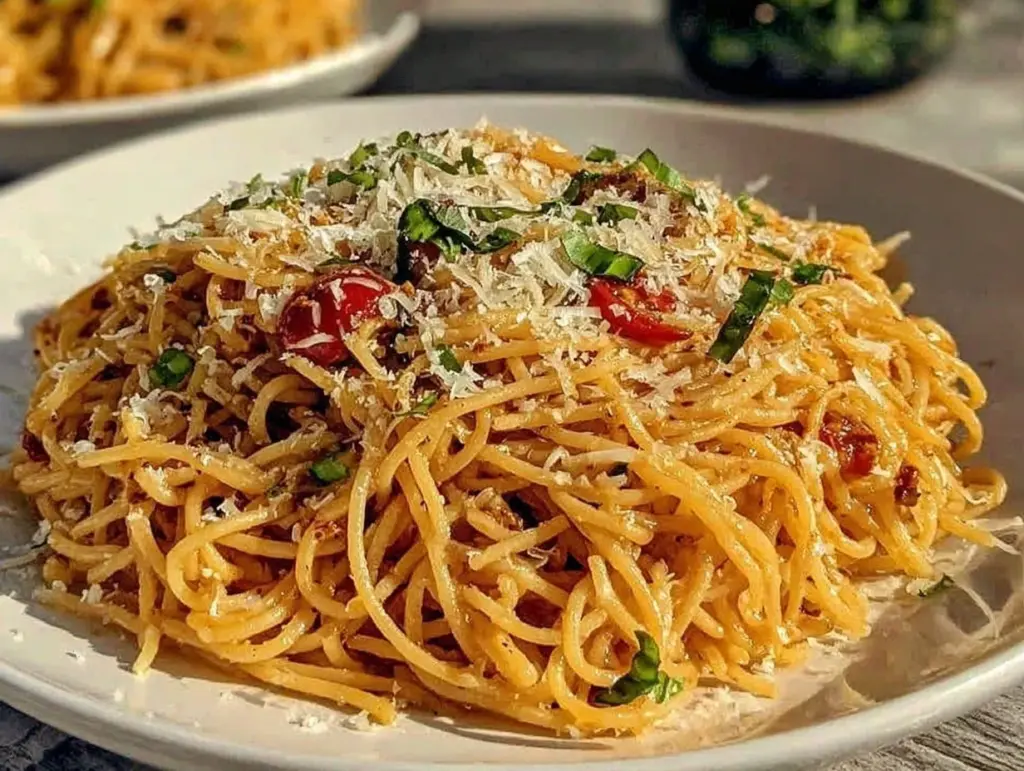
Let me tell you, the scent of boiling water and fresh pasta wafting through the kitchen is enough to make anyone’s mouth water. There’s something about that first bite of pasta cooked just right—tender, with a slight bite, the kind of texture that makes you pause, take a deep breath, and just smile because you know you’re onto something truly special. The first time I nailed cooking pasta al dente, it was like discovering a secret that every home cook wishes they’d found years ago.
Back when I was knee-high to a grasshopper, pasta was either mushy or way too tough, and I thought that was just how it went. But years ago, during a rainy weekend experiment, I stumbled upon the magic of timing and technique that transforms simple pasta into a tender, perfect dish. My family couldn’t stop sneaking bites off the plate before I even got to serve it (and honestly, I can’t blame them).
Cooking pasta to that perfect al dente texture is dangerously easy once you know the tricks, and it brings pure, nostalgic comfort to any meal. Whether you’re whipping up a quick weeknight dinner or brightening up your Pinterest cookie board with pasta photos, these tips for how to not overcook pasta will become a staple for family gatherings and casual dinners alike. You’re going to want to bookmark this one—trust me, it feels like a warm hug in every forkful.
Why You’ll Love This Recipe
Honestly, cooking pasta perfectly al dente isn’t just a skill—it’s a game changer in the kitchen. After testing dozens of methods (in the name of research, of course), I can say this approach is:
- Quick & Easy: Comes together in under 12 minutes, perfect for busy weeknights or last-minute cravings.
- Simple Ingredients: No fancy grocery trips needed; all you need is pasta, water, and salt.
- Perfect for Any Meal: Great for casual dinners, pasta salads, or even impressive dinner parties.
- Crowd-Pleaser: Always gets rave reviews from kids and adults alike who appreciate that perfect bite.
- Unbelievably Delicious: The texture and flavor combo turns ordinary pasta into next-level comfort food.
What makes this approach different? It’s all about understanding the right timing and adding salt to the water for seasoning from the get-go. Plus, tossing the pasta immediately in your sauce while it’s still hot locks in that tender bite. This recipe isn’t just good—it’s the kind that makes you close your eyes after the first bite. It’s comfort food with soul, easy to master, and perfect for impressing guests without stress. Let’s face it, perfectly tender pasta every time? That’s a kitchen win worth celebrating.
What Ingredients You Will Need
This recipe uses simple, wholesome ingredients to deliver bold flavor and satisfying texture without the fuss. You probably have everything right in your pantry already!
- Pasta (any shape you like—spaghetti, penne, fusilli, or farfalle; I prefer Barilla for consistent texture)
- Water (enough to generously cover the pasta, about 4-6 quarts / 3.8-5.7 liters depending on pasta amount)
- Salt (kosher salt or sea salt, about 1-2 tablespoons per 4 quarts / 3.8 liters of water; this seasons the pasta as it cooks and enhances flavor)
- Optional: Olive Oil (a splash in the water if you want to prevent sticking, but honestly, stirring is usually enough)
- Sauce or toppings (whatever you love—marinara, pesto, butter and garlic, or a sprinkle of parmesan)
Ingredient Tips: Always use plenty of water so the pasta has room to cook evenly. I also recommend using coarse, kosher salt because it dissolves nicely and seasons better than table salt. For a gluten-free option, brown rice or chickpea pasta works well, though cook time may vary slightly.
Equipment Needed
- Large Pot: A heavy-bottomed pot that can hold at least 6 quarts (5.7 liters) of water. Bigger is better to avoid pasta sticking together.
- Colander: For draining pasta quickly and efficiently. A fine-mesh colander works well for smaller pasta shapes.
- Wooden Spoon or Pasta Fork: To stir pasta occasionally and prevent clumping.
- Timer or Clock: Precise timing is key to hitting that perfect al dente texture.
- Optional: Pasta tongs or slotted spoon if you want to scoop pasta directly from the pot to sauce.
Personally, I’ve tried budget-friendly pots from store brands and higher-end stainless steel pots, and honestly, the key difference is even heating. If you’re on a budget, just avoid thin, cheap pots that heat unevenly or scorch easily. Keeping your tools clean and free from residue also helps prevent sticking—something I learned the hard way!
Preparation Method
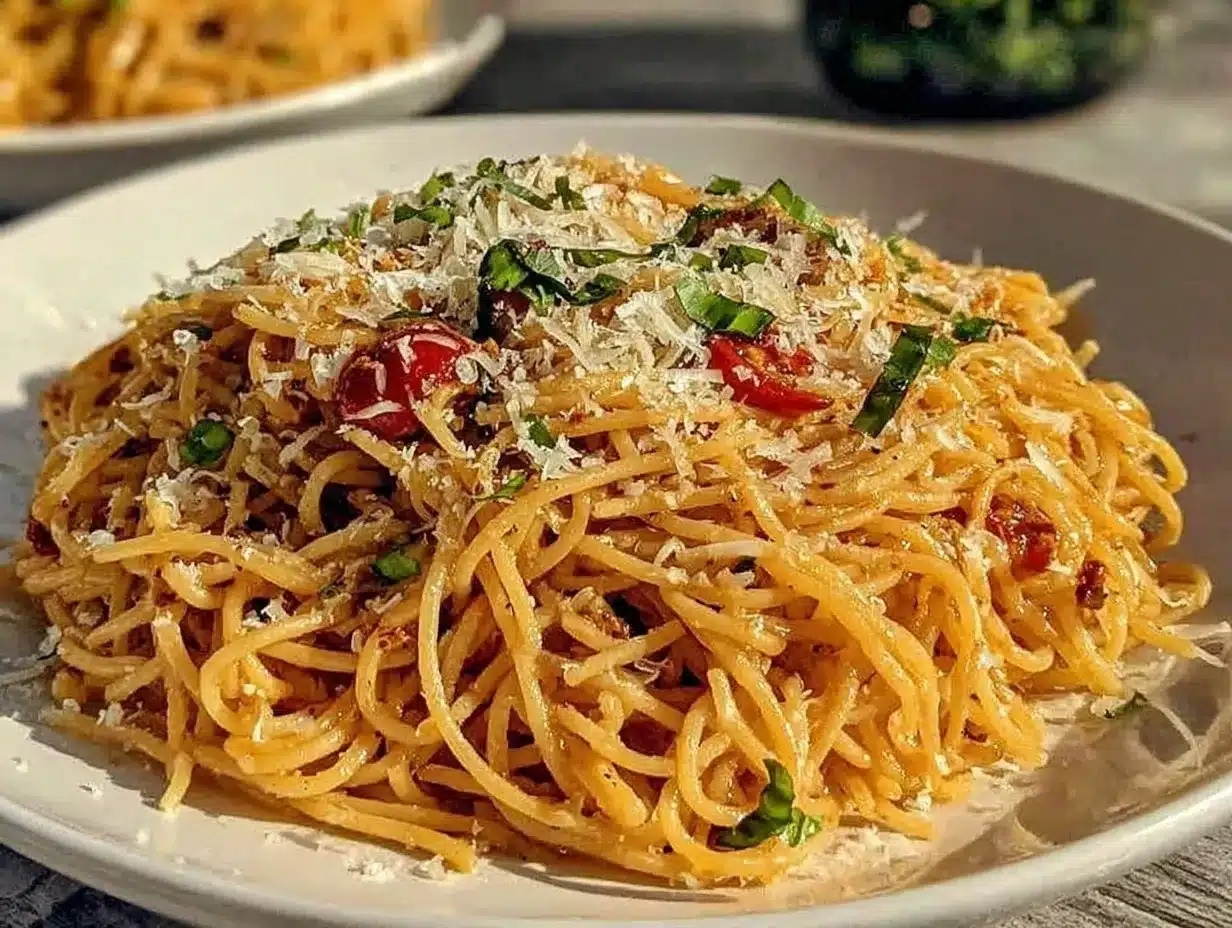
- Bring water to a rolling boil: Fill your pot with 4-6 quarts (3.8-5.7 liters) of water per pound (450 grams) of pasta. Place over high heat and wait until it boils vigorously (about 8-10 minutes).
- Add salt to the boiling water: Stir in 1-2 tablespoons of kosher or sea salt. The water should taste like the sea—this is your chance to season the pasta from the inside out.
- Add pasta and stir: Drop the pasta into the boiling water all at once. Immediately stir with a wooden spoon or pasta fork to prevent clumping. Keep stirring occasionally throughout cooking.
- Set your timer: Check the package instructions, and set your timer for 2 minutes less than the suggested cooking time (usually 8-12 minutes total). This helps you catch the pasta before it gets mushy.
- Test for doneness early and often: About 2 minutes before the timer, fish out a piece of pasta, cool it slightly, and bite into it. You’re aiming for firm but tender—al dente means “to the tooth,” so it should have a little resistance but not crunch.
- Reserve pasta water: Before draining, scoop out a cup of starchy pasta water. It’s magic for adjusting sauce consistency later.
- Drain pasta immediately: Use your colander to drain the pasta promptly once it hits al dente. Don’t rinse—rinsing washes away the starch that clings sauce.
- Toss pasta with sauce right away: Combine hot pasta with your sauce or a drizzle of olive oil. Tossing while warm helps the sauce cling and the pasta finish cooking gently.
- Serve immediately: Pasta is best fresh and hot for that perfect tender bite. If you need to hold it, toss with a little olive oil to prevent sticking.
Pro tip: If you accidentally overcook pasta, drain and shock it briefly in cold water to stop cooking, then reheat in sauce to keep it from getting mushy. But honestly, with these steps, you’ll rarely need that trick.
Cooking Tips & Techniques
Here’s what I’ve learned after plenty of pasta mishaps (and joyous successes):
- Don’t crowd the pot: Too much pasta in too little water leads to sticky, unevenly cooked noodles. Give it room to swim!
- Salt is your secret weapon: It seasons pasta from within and boosts flavor overall. Skip it, and your pasta tastes bland.
- Stir early and often: Pasta loves to stick in the first couple of minutes. A gentle stir saves you from clumps and broken noodles.
- Use the timer but trust your bite: Cooking times are guidelines. Taste is king—one bite will tell you if it’s perfect.
- Save pasta water: That starchy liquid is a game-changer for silky sauces and perfect texture.
- Don’t rinse your pasta: Rinsing removes starch and cools the pasta, making sauce cling difficult.
- Finish pasta in the sauce: Tossing pasta in sauce off the heat lets flavors marry and texture settle beautifully.
Honestly, learning to cook pasta well is about patience and paying attention. I’ve overcooked noodles more times than I care to admit—each time learning a little more about timing and the magic of salt. Stick with it, and you’ll impress yourself and your guests every time.
Variations & Adaptations
Want to mix things up? Here are some fun ways to customize your pasta cooking experience:
- Gluten-Free Pasta: Use brown rice, quinoa, or chickpea pasta. Cook time varies, so taste test early and often.
- Whole Wheat or High-Protein Pasta: These take a little longer to cook but offer heartier texture and nutrition. Add a minute or two to cooking time.
- Fresh Pasta: Fresh pasta cooks super fast—usually under 3 minutes. Watch carefully to avoid mushiness.
- Seasoned Pasta Water: Add a bay leaf or garlic clove to boiling water for subtle flavor infusion.
- Cold Pasta Salad Prep: Cook pasta just shy of al dente, then rinse under cold water to stop cooking and cool for salads.
Personally, I tried finishing fresh spinach pasta in a garlic butter sauce—cooked perfectly al dente and tossed gently in the pan. The result? A tender, flavorful dish that felt like a restaurant treat at home.
Serving & Storage Suggestions
Serve your perfectly cooked pasta immediately, hot and tossed with your favorite sauce or a drizzle of olive oil and fresh herbs. It pairs beautifully with crisp salad greens or roasted veggies for a balanced meal. For a cozy night, a rich tomato sauce or creamy Alfredo brings out the best in tender noodles.
If you have leftovers, store them in an airtight container in the refrigerator for up to 3 days. Adding a splash of olive oil before sealing prevents sticking. To reheat, warm gently on the stove with a splash of water or sauce to restore moisture and tenderness. Avoid the microwave if you can—it tends to dry pasta out quickly.
Over time, pasta absorbs sauce flavors and softens slightly, so leftovers often taste even better the next day (if you don’t mind a softer bite). For make-ahead meals, slightly undercook pasta by a minute and finish cooking in the sauce just before serving for freshest texture.
Nutritional Information & Benefits
A typical serving of pasta (about 2 ounces dry or 56 grams) provides roughly 200 calories, 42 grams of carbohydrates, 7 grams of protein, and minimal fat. When paired with wholesome sauces and veggies, it’s a satisfying, balanced meal.
Pasta made from durum wheat offers slow-release energy thanks to its complex carbs. Whole wheat and legume-based pastas boost fiber and nutrients. Plus, cooking al dente helps keep the glycemic index lower than overcooked pasta, which means steadier blood sugar levels.
For those watching gluten or carbs, gluten-free and low-carb pasta options exist, with slight adjustments needed in cooking time. Always check labels if allergies are a concern.
In my experience, pasta is not only comfort food but also a versatile base for nourishing meals when paired with fresh ingredients and mindful cooking techniques like these.
Conclusion
Getting that perfect tender pasta without overcooking feels like a small kitchen victory, but it transforms any meal from ordinary to memorable. With simple ingredients, the right tools, and a bit of attention to timing, you can master how to not overcook pasta and enjoy perfect al dente results every time.
Honestly, I love this method because it gives me the confidence to cook pasta for any occasion—whether it’s a quick dinner or a special gathering. Don’t be afraid to tweak the timing to your taste and pasta type. Remember, the best pasta is the one you enjoy most.
Give this a try, share your pasta wins or mishaps, and let’s keep the conversation going. I’d love to hear your favorite pasta shapes and sauces too. Now, go boil that water and make magic happen!
FAQs
How do I know when pasta is perfectly al dente?
Take a piece out a minute or two before the package time ends, cool it slightly, and bite into it. It should be tender with a slight firmness or “bite” in the center, not crunchy or mushy.
Should I add oil to the pasta water to prevent sticking?
Most cooks find that stirring the pasta frequently prevents sticking better than adding oil, which can also prevent sauce from clinging to the noodles.
Can I cook pasta ahead of time and reheat it?
You can, but slightly undercook it, rinse with cold water, and toss with oil. Reheat gently in sauce or boiling water to avoid mushiness.
Why is my pasta always mushy?
Usually, it’s overcooked or cooked in too little water. Use plenty of boiling salted water and test for doneness early to avoid mushy noodles.
What’s the best way to salt pasta water?
Use about 1-2 tablespoons of kosher or sea salt per 4 quarts (3.8 liters) of water. The water should taste like the sea—this seasons the pasta from the inside out.
Pin This Recipe!
How to Not Overcook Pasta Perfect Al Dente Tips for Tender Pasta Every Time

Learn the secrets to cooking pasta perfectly al dente every time with simple ingredients and precise timing for tender, flavorful pasta.
- Prep Time: 5 minutes
- Cook Time: 8-12 minutes
- Total Time: 13-17 minutes
- Yield: 4 servings
- Category: Main Course
- Cuisine: Italian
Ingredients
- Pasta (any shape you like—spaghetti, penne, fusilli, or farfalle; Barilla recommended)
- Water (enough to generously cover the pasta, about 4-6 quarts / 3.8-5.7 liters depending on pasta amount)
- Salt (kosher salt or sea salt, about 1-2 tablespoons per 4 quarts / 3.8 liters of water)
- Optional: Olive Oil (a splash in the water to prevent sticking, optional)
- Sauce or toppings (marinara, pesto, butter and garlic, parmesan, or your choice)
Instructions
- Bring water to a rolling boil: Fill your pot with 4-6 quarts (3.8-5.7 liters) of water per pound (450 grams) of pasta. Place over high heat and wait until it boils vigorously (about 8-10 minutes).
- Add salt to the boiling water: Stir in 1-2 tablespoons of kosher or sea salt. The water should taste like the sea to season the pasta from the inside out.
- Add pasta and stir: Drop the pasta into the boiling water all at once. Immediately stir with a wooden spoon or pasta fork to prevent clumping. Keep stirring occasionally throughout cooking.
- Set your timer: Check the package instructions, and set your timer for 2 minutes less than the suggested cooking time (usually 8-12 minutes total).
- Test for doneness early and often: About 2 minutes before the timer, fish out a piece of pasta, cool it slightly, and bite into it. Aim for firm but tender—al dente means a little resistance but not crunch.
- Reserve pasta water: Before draining, scoop out a cup of starchy pasta water to adjust sauce consistency later.
- Drain pasta immediately: Use your colander to drain the pasta promptly once it hits al dente. Do not rinse.
- Toss pasta with sauce right away: Combine hot pasta with your sauce or a drizzle of olive oil. Tossing while warm helps the sauce cling and the pasta finish cooking gently.
- Serve immediately: Pasta is best fresh and hot. If holding, toss with a little olive oil to prevent sticking.
Notes
Use plenty of water to allow pasta to cook evenly. Stir pasta early and often to prevent sticking. Salt the water generously to season pasta from within. Do not rinse pasta after draining to preserve starch for sauce adherence. Reserve pasta water to adjust sauce consistency. If overcooked, shock pasta in cold water and reheat in sauce to avoid mushiness.
Nutrition
- Serving Size: About 2 ounces (56 g
- Calories: 200
- Sugar: 1
- Sodium: 300
- Fat: 0.9
- Saturated Fat: 0.2
- Carbohydrates: 42
- Fiber: 2
- Protein: 7
Keywords: pasta, al dente, cooking pasta, tender pasta, pasta tips, how to cook pasta, perfect pasta, pasta recipe