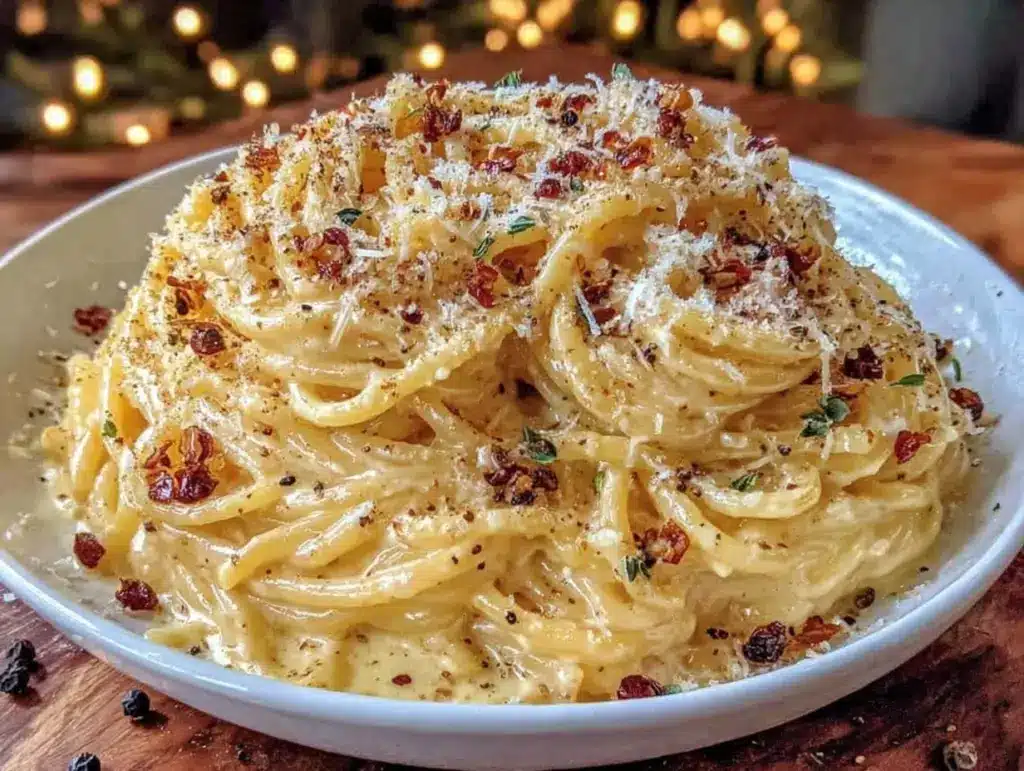
“You sure that’s just cheese and pepper?” my friend asked, eyebrows raised as I stirred the glossy sauce coating the tonnarelli pasta. Honestly, I was skeptical myself the first time I made creamy classic cacio e pepe with tonnarelli pasta. I’d always thought such a simple dish couldn’t deliver that satisfying, rich mouthfeel you get from more elaborate sauces. But late one weeknight, after a long day of juggling deadlines and zero energy to cook, I threw together this Roman staple with what I had on hand—and the result was unexpectedly comforting.
The pepper’s sharp bite paired with the nutty, melty pecorino Romano felt like a hug on a plate. That night, my kitchen was quiet except for the clinking of utensils and the smell of toasted black pepper, a smell that somehow grounded me more than any fancy dinner ever could. The tonnarelli pasta, with its slightly thicker, square cross-section, held the sauce beautifully, making each bite creamy and peppery in perfect harmony.
Since then, this recipe has quietly become my go-to for when I want something that tastes like a special occasion but comes together fast. And you know what? It’s one of those dishes that sticks with you—not just because it’s delicious, but because it’s simple, honest, and a little bit magic.
That’s probably why I keep coming back to it, whether I’m craving a quick solo dinner or feeding a friend who’s just popped by unexpectedly. This creamy classic cacio e pepe with tonnarelli pasta is more than a recipe; it’s a reminder that good food doesn’t have to be complicated to feel like a treat.
Why You’ll Love This Creamy Classic Cacio e Pepe with Tonnarelli Pasta
Having tested this recipe multiple times (yes, I may have made it three nights in a week once), I can vouch for its charm and ease. This isn’t just your ordinary pasta with cheese and pepper—it’s a carefully balanced, creamy dream that feels homemade yet restaurant-worthy.
- Quick & Easy: From start to finish, the dish comes together in about 20 minutes. Perfect for those hectic weeknights or when you want dinner in a flash.
- Simple Ingredients: You don’t need a pantry full of exotic items. Pecorino Romano, freshly cracked black pepper, high-quality tonnarelli pasta, and a bit of pasta water do all the work.
- Perfect for Entertaining: Whether it’s a spontaneous dinner party or a cozy night for two, this creamy classic cacio e pepe hits the spot every time.
- Crowd-Pleaser: People often ask for seconds—even those who claim they aren’t big cheese lovers. The sauce’s creamy texture and peppery kick win them over.
- Unbelievably Delicious: The sauce clings beautifully to the tonnarelli pasta’s thick strands, creating a silky coating that’s rich but never heavy.
What sets this version apart? I swear by freshly cracked black pepper toasted gently in the pan; it brings out those spicy floral notes that elevate the dish beyond simple seasoning. Plus, the tonnarelli pasta’s unique texture holds the sauce better than regular spaghetti, resulting in a luscious bite every time. Plus, the technique of adding pasta water slowly while stirring helps achieve that creamy consistency without any cream—just cheese and water doing their magic.
Honestly, this recipe isn’t just food. It’s an experience—the kind that makes you slow down, savor, and appreciate the beauty in simplicity. If you want to see how a classic Italian recipe can feel both gourmet and effortless, you’re in the right place.
What Ingredients You Will Need for Creamy Classic Cacio e Pepe with Tonnarelli Pasta
This recipe uses simple, wholesome ingredients to deliver bold flavor and a satisfying creamy texture without fuss. Most are pantry staples, and you’ll find you likely have them all ready.
- Tonnarelli pasta: About 12 ounces (340 grams). This fresh egg pasta with a square cross-section is ideal for clinging to the sauce. If unavailable, spaghetti or bucatini works well.
- Pecorino Romano cheese: 1 ½ cups (150 grams), finely grated. I recommend grating it fresh for the best melting and flavor. Brands like Galbani or domestic Pecorino Romano offer great tangy notes.
- Freshly cracked black pepper: 2 teaspoons. Toast the peppercorns lightly before grinding for a more intense aroma and flavor.
- Salt: For pasta water. Use coarse kosher salt for seasoning.
- Water: About 4 cups (1 liter) reserved pasta cooking water. This starchy water is the secret to the creamy sauce.
Ingredient tips: For a dairy-free twist, you can experiment with nutritional yeast—though it won’t have the same melt or tang. Pecorino Romano is key here; its sharpness is what balances the pepper’s bite. If you find tonnarelli pasta hard to get, creamy one-pot truffle mushroom pasta uses similar pastas that might inspire your substitution ideas.
Equipment Needed
- Large pot: For boiling pasta, ideally with a lid to speed up heating.
- Large skillet or sauté pan: Wide enough for tossing the pasta with sauce comfortably.
- Fine grater or microplane: For grating Pecorino Romano finely, which helps it melt smoothly.
- Wooden spoon or silicone spatula: To stir gently but thoroughly without bruising the pasta.
- Measuring cups and spoons: For precise cheese and pepper quantities.
If you don’t have a microplane, a box grater with a fine side works just fine. For toasting peppercorns, a small dry skillet is handy; you can skip this step if you’re rushed but trust me, it’s worth it. No fancy gadgets needed—this recipe is very accessible, even if your kitchen is minimalist.
Preparation Method
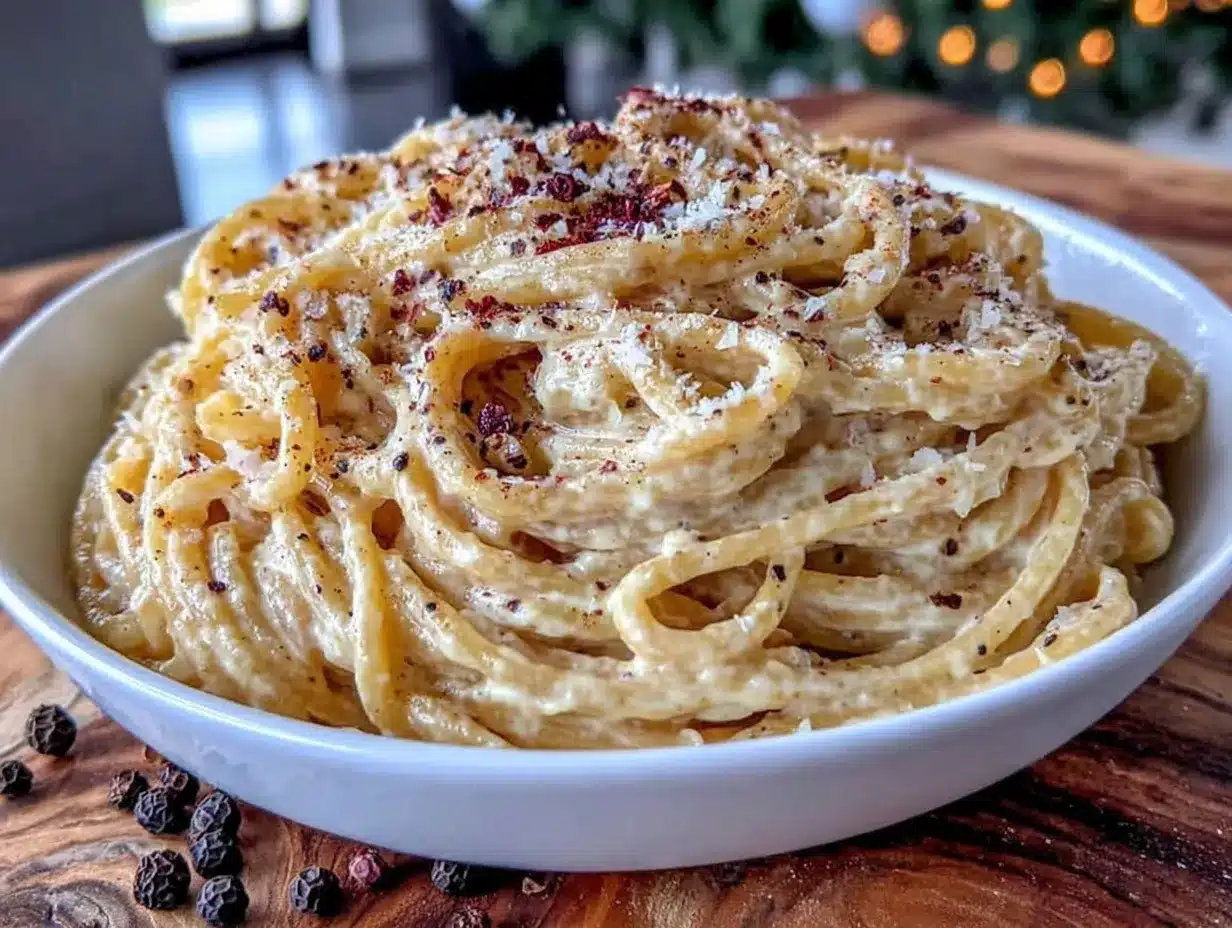
- Bring a large pot of salted water to a boil: Use about 4 quarts (3.8 liters) water and 1 tablespoon kosher salt. The water should taste like the sea. Add the tonnarelli pasta and cook until al dente, usually about 3 to 4 minutes for fresh pasta. Reserve 4 cups (1 liter) of pasta cooking water before draining.
- Toast and grind the black pepper: In a dry large skillet over medium heat, toast 2 teaspoons of whole black peppercorns for 1 to 2 minutes until fragrant, shaking the pan often to avoid burning. Transfer to a mortar and pestle or spice grinder and crush coarsely. Freshly cracked pepper is essential for flavor depth.
- Heat the pepper in the skillet: Add the crushed pepper to the skillet with a splash of reserved pasta water (about 1/2 cup or 120 ml). Allow it to simmer gently for 30 seconds to bloom the pepper’s aroma.
- Create the creamy sauce: Add the drained pasta to the skillet and toss quickly. Remove the pan from heat and sprinkle the grated Pecorino Romano in batches while stirring vigorously. Gradually add more reserved pasta water (a few tablespoons at a time) to loosen the sauce and help the cheese melt evenly. The goal is a silky, creamy coating that clings to every strand without clumping or becoming gluey.
- Adjust seasoning and serve immediately: Taste and add more black pepper if desired. Serve hot with an extra dusting of Pecorino and freshly cracked black pepper on top for a finishing touch.
Note: The key is stirring off the heat to prevent the cheese from clumping or stringing. Slow, gradual additions of pasta water are your best friend here. If the sauce looks dry or crumbly, just add a splash more water and keep stirring. You’ll notice the sauce thickens as it cools, so serve right away for the best creamy texture.
Cooking Tips & Techniques for the Perfect Cacio e Pepe
Getting cacio e pepe just right can feel like a gentle balancing act, but a few tricks make all the difference.
- Toast the peppercorns: This step releases essential oils and deepens flavor. Skipping it means losing some of the dish’s signature punch.
- Use freshly grated Pecorino: Pre-grated cheese often contains anti-caking agents that prevent smooth melting. Fresh grating ensures a silky sauce.
- Reserve pasta water: The starchy water is the secret emulsifier that binds the cheese and pepper to the pasta. Don’t skip it or rinse the pasta!
- Stir off heat: Mixing the cheese with pasta off the stovetop avoids curdling or stringy cheese clumps. The residual heat is enough to melt the cheese gently.
- Work quickly: The sauce can thicken fast; continuous tossing keeps it smooth and creamy.
I learned the hard way that pouring cheese all at once or tossing on too little water leads to a grainy mess. Also, tonnarelli’s texture helps here, gripping the sauce better than thin spaghetti, which can slip and leave you with dry bites. For a fun twist, I once added a splash of white wine to the pepper-water mix—added brightness but kept the classic vibe intact.
Variations & Adaptations
While this recipe sticks to tradition, there’s room for creative adaptations to fit your taste or dietary needs.
- Gluten-Free: Use gluten-free spaghetti or fresh gluten-free pasta if you want the same silky sauce without gluten. Just watch cooking times.
- Vegan Version: Swap Pecorino Romano for a vegan hard cheese alternative or nutritional yeast, and add a bit of olive oil for richness. The result won’t be identical but still tasty.
- Extra Creamy: For a richer sauce, add a tablespoon of unsalted butter or a splash of heavy cream while tossing the pasta. It’s not classic but absolutely indulgent.
- Spicy Kick: Add a pinch of red chili flakes to the toasted pepper for a subtle heat that wakes up the palate.
Personally, I once made a version using bucatini for a slightly different texture and found it worked beautifully. It reminded me of the creamy comfort in my creamy crockpot chicken tortellini soup—same idea of rich, comforting sauce coating every bite, just with a different pasta shape.
Serving & Storage Suggestions
Cacio e pepe is best served immediately, while the sauce is luxuriously creamy and warm. Plate it simply in shallow bowls, maybe with an extra sprinkle of Pecorino and cracked pepper—sometimes less is more.
For a meal, pair it with a crisp green salad or roasted vegetables to balance richness. A glass of dry white wine or sparkling water with lemon cuts through the cheese’s saltiness nicely.
If you have leftovers (they can be rare!), store them in an airtight container in the fridge for up to 2 days. Reheat gently in a skillet with a splash of water or broth to loosen the sauce. Microwave reheating tends to dry it out, so stovetop is best.
Flavor-wise, the sauce thickens and intensifies in the fridge, so reheated cacio e pepe can taste even more robust—just be careful not to overcook or it gets gluey.
Nutritional Information & Benefits
Estimating per serving (based on 4 servings): approximately 480 calories, 18g fat, 60g carbohydrates, and 20g protein.
This dish offers a good amount of protein and calcium from the Pecorino Romano cheese, plus energy from the pasta’s carbohydrates. It’s naturally gluten-containing unless you swap pasta types.
Black pepper has antioxidant properties and may aid digestion, making it a small health bonus in this indulgent dish.
If you’re mindful of sodium, watch the amount of salt added to the pasta water since Pecorino is quite salty on its own.
From a wellness perspective, this recipe is satisfying without being overloaded with heavy creams or butter, which means it’s manageable for a balanced diet when enjoyed in moderation.
Conclusion
Creamy classic cacio e pepe with tonnarelli pasta is a humble Italian dish that manages to feel special every single time. Its simplicity is deceptive—there’s an art to balancing the sharp pecorino, peppery bite, and silky sauce that makes it a standout.
Feel free to adjust the pepper level or experiment with different pastas to make it your own. I love how this recipe reminds me that sometimes, the best meals come from just a few quality ingredients treated with care and patience.
If you try it, I’d love to hear how you make it yours—maybe with a spicy twist or a creamy upgrade. And if you’re in the mood for another creamy pasta experience, check out the creamy one-pot truffle mushroom pasta recipe I shared earlier—same comfort, different vibe.
Here’s to simple, satisfying dinners that bring a little Italian soul to your table tonight.
Frequently Asked Questions About Creamy Classic Cacio e Pepe with Tonnarelli Pasta
- What is the best pasta for cacio e pepe? Fresh tonnarelli is ideal due to its thickness and texture, but spaghetti or bucatini are good substitutes.
- Can I use Parmesan instead of Pecorino Romano? Pecorino Romano is traditional and saltier, but you can mix Parmesan with Pecorino for a milder taste.
- Why does my sauce sometimes get clumpy? Usually because cheese is added to boiling pasta without enough reserved water or stirring off heat. Add pasta water slowly and remove from heat when mixing.
- Can I store leftovers? Yes, keep in an airtight container in the fridge for up to 2 days and reheat gently on the stovetop with a splash of water.
- Is this recipe gluten-free? Not unless you use gluten-free pasta. Traditional tonnarelli contains wheat.
Pin This Recipe!
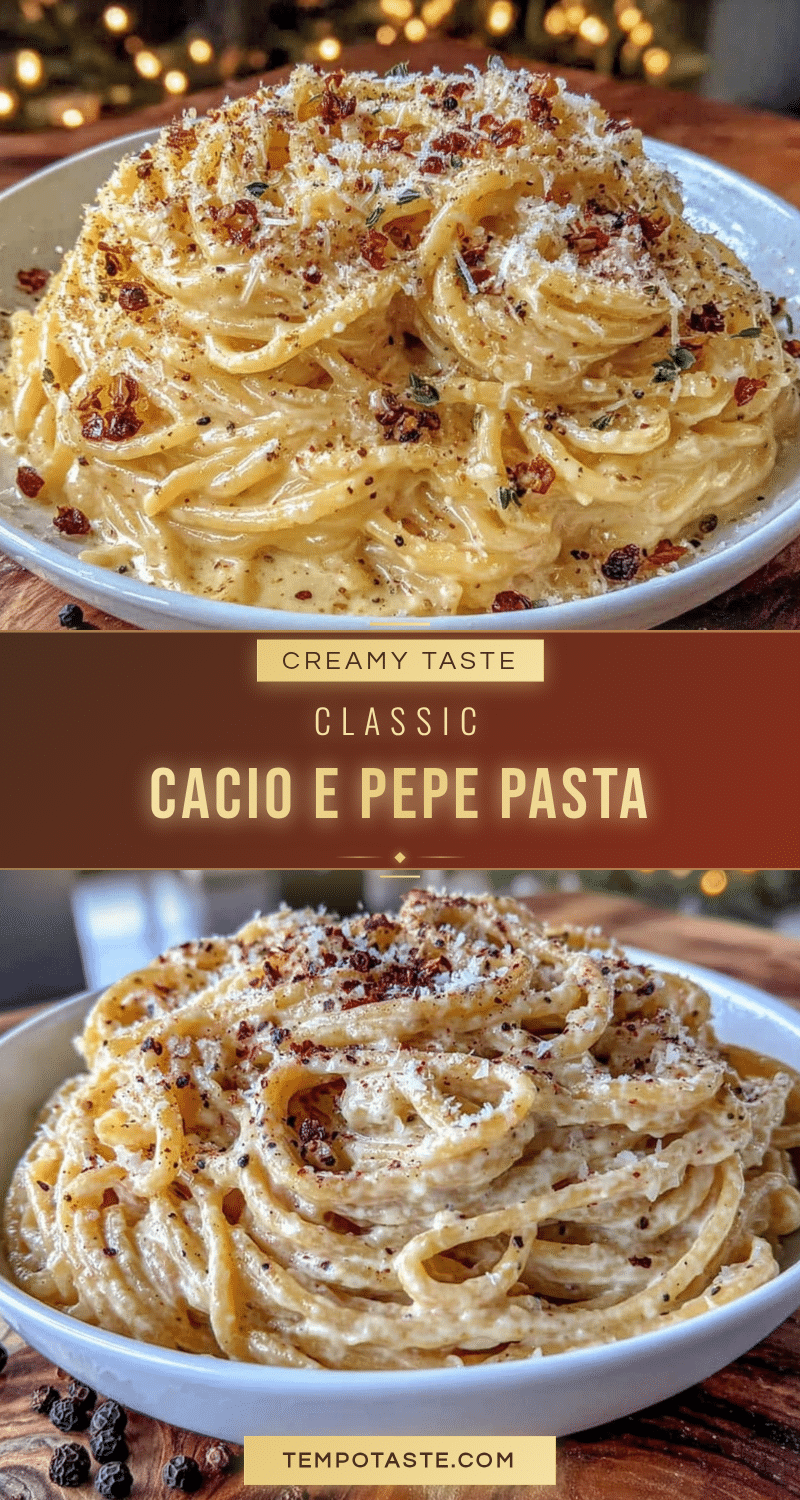
Creamy Classic Cacio e Pepe with Tonnarelli Pasta

A simple yet rich Italian pasta dish featuring tonnarelli pasta coated in a creamy sauce made from Pecorino Romano cheese and freshly cracked black pepper. Perfect for a quick, comforting dinner with a gourmet feel.
- Prep Time: 5 minutes
- Cook Time: 15 minutes
- Total Time: 20 minutes
- Yield: 4 servings 1x
- Category: Main Course
- Cuisine: Italian
Ingredients
- 12 ounces (340 grams) tonnarelli pasta (fresh egg pasta with a square cross-section)
- 1 ½ cups (150 grams) finely grated Pecorino Romano cheese
- 2 teaspoons freshly cracked black pepper (toasted lightly before grinding)
- Salt (for pasta water, preferably coarse kosher salt)
- About 4 cups (1 liter) reserved pasta cooking water
Instructions
- Bring a large pot of salted water to a boil using about 4 quarts (3.8 liters) water and 1 tablespoon kosher salt. The water should taste like the sea. Add the tonnarelli pasta and cook until al dente, usually about 3 to 4 minutes for fresh pasta. Reserve 4 cups (1 liter) of pasta cooking water before draining.
- Toast 2 teaspoons of whole black peppercorns in a dry large skillet over medium heat for 1 to 2 minutes until fragrant, shaking the pan often to avoid burning. Transfer to a mortar and pestle or spice grinder and crush coarsely.
- Add the crushed pepper to the skillet with about 1/2 cup (120 ml) reserved pasta water. Allow it to simmer gently for 30 seconds to bloom the pepper’s aroma.
- Add the drained pasta to the skillet and toss quickly. Remove the pan from heat and sprinkle the grated Pecorino Romano in batches while stirring vigorously. Gradually add more reserved pasta water (a few tablespoons at a time) to loosen the sauce and help the cheese melt evenly until a silky, creamy coating forms.
- Taste and add more black pepper if desired. Serve immediately with an extra dusting of Pecorino Romano and freshly cracked black pepper on top.
Notes
Toast the peppercorns to release essential oils and deepen flavor. Use freshly grated Pecorino Romano for a smooth sauce. Stir the cheese and pasta off heat to prevent clumping. Add reserved pasta water gradually to achieve creamy consistency. Serve immediately as the sauce thickens and intensifies when cooled. Leftovers can be stored up to 2 days and reheated gently on stovetop with a splash of water.
Nutrition
- Serving Size: 1 serving (about 1/4
- Calories: 480
- Fat: 18
- Carbohydrates: 60
- Protein: 20
Keywords: cacio e pepe, tonnarelli pasta, Italian pasta recipe, creamy pasta, Pecorino Romano, black pepper pasta, quick dinner, easy Italian recipe