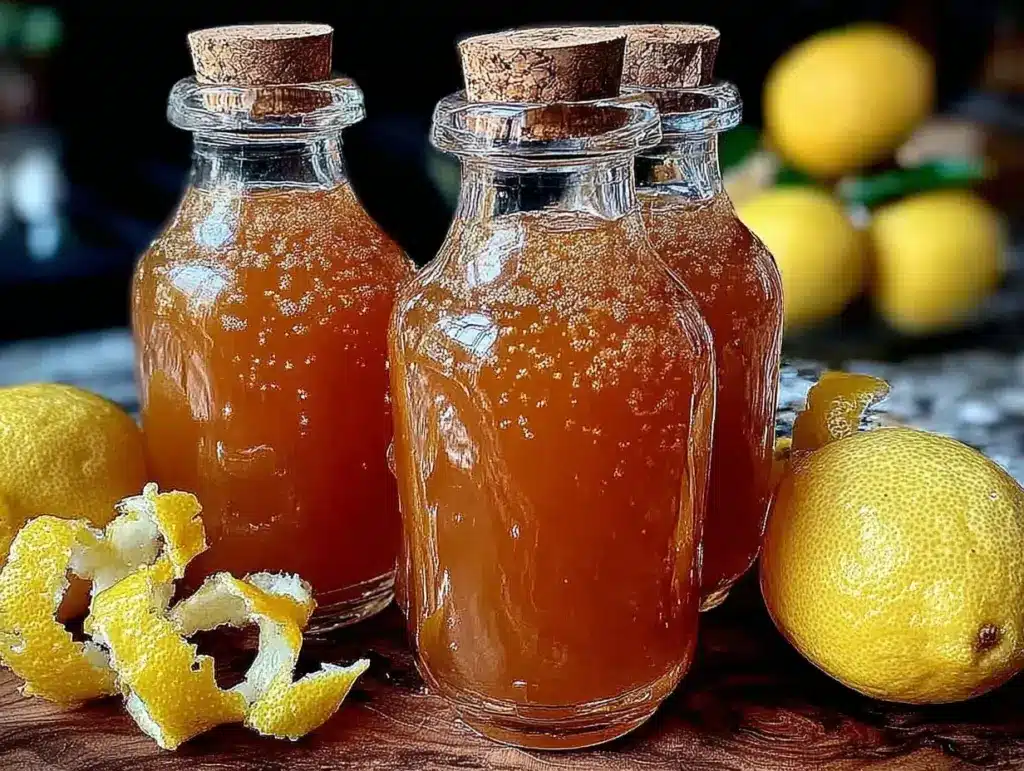
I was rummaging through a box of forgotten kitchen odds and ends when my fingers brushed against a small collection of vintage glass bottles. Their delicate shapes and faded labels whispered stories of past recipes and kitchen experiments. Honestly, I hadn’t planned on making anything special that day, but the sight of those charming bottles sparked a curious idea: why not craft my own zesty lemon extract to fill them? It felt like a little nod to the past, a way to blend the old with the new.
The first time I tried making this easy homemade zesty lemon extract, I was skeptical. How could such a simple mix of lemon peels and vodka turn into a flavor powerhouse? But as the weeks passed and my kitchen filled with that bright citrus aroma, I realized I’d stumbled onto something truly special. This wasn’t just any extract; it was a burst of sunshine in a bottle, perfect for baking or even brightening up cocktails.
Keeping those vintage bottles wasn’t just about aesthetics—they gave the extract a personality, a story that made each drop feel like a little celebration. Now, I find myself reaching for this lemon extract whenever I whip up lemon rosemary grilled chicken skewers or add a splash to my favorite creamy white pizza with ricotta and spinach. It’s a small thing, but it adds that authentic zing that makes a difference.
There’s something quietly satisfying about crafting your own ingredients, especially when they come with a hint of nostalgia. This zesty lemon extract stuck with me because it brings a fresh, vibrant note to everyday recipes without any fuss. I keep telling myself that if this easy homemade extract can charm old glass bottles and skeptical taste buds alike, maybe it can work its magic in your kitchen too.
Why You’ll Love This Easy Homemade Zesty Lemon Extract Recipe
Making your own lemon extract might sound fancy, but honestly, it’s one of those kitchen projects that’s surprisingly straightforward and rewarding. After testing this recipe a few times (okay, maybe more than a few), I know it’s a keeper for several reasons:
- Quick & Easy: You only need a handful of minutes to prep, and then it does its magic on its own for a few weeks—free time for you!
- Simple Ingredients: Just fresh lemon peels and vodka, nothing obscure or pricey. I always grab organic lemons to keep the flavor pure and bright.
- Perfect for Gifts or Decor: Bottling your extract in vintage or decorative bottles makes it a charming gift or kitchen accent.
- Culinary Versatility: From baking moist gluten-free almond flour banana bread to adding a citrusy lift to creamy butter chicken, this extract enhances flavors without overpowering.
- Long-Lasting Flavor: Once ready, it keeps for months, so you always have a zesty boost on hand.
- Authentic Zest: Unlike store-bought versions that can taste artificial, this homemade extract carries that genuine lemon brightness and subtle bitterness from the peel.
This recipe stands out because it captures the essence of fresh lemons while letting the vodka mellow and carry the flavors beautifully. It’s not just about zest; it’s about a well-rounded, lively taste that wakes up your dishes. Honestly, it’s the kind of ingredient that makes you pause and appreciate the little things in cooking.
Whether you’re looking to surprise guests with a homemade touch or simply want a reliable lemon extract for your favorite recipes, this easy homemade zesty lemon extract is a no-fuss companion in the kitchen. It’s a small ritual that feels special and delivers big on flavor every time.
What Ingredients You Will Need
This simple recipe uses just a couple of wholesome ingredients that you likely already have—or can easily find—in your kitchen or local store. The fresh lemon peels bring that bright citrus zing, while the vodka acts as a neutral spirit to extract and preserve those essential oils.
- Organic Lemons: 4-5 large, unwaxed lemons (use organic to avoid pesticides on the peel)
- Vodka: 1 cup (240 ml) of good-quality vodka (around 40% ABV). I like using Tito’s Handmade Vodka for its clean, smooth character.
Optional but recommended:
- Glass Bottles or Jars: Vintage or small bottles with airtight lids for storing your extract. These add charm and help preserve freshness.
- Cheesecloth or Fine Strainer: For filtering the extract after steeping, if you prefer a clean pour.
Ingredient Tips and Substitutions:
- Lemons: If organic lemons aren’t available, scrub regular lemons well to remove any wax or residue.
- Vodka Alternatives: You can use other neutral spirits like grain alcohol or everclear, but adjust quantities as these are stronger. Avoid flavored vodkas—they can alter the flavor.
- Storage Bottles: Mason jars work fine if you don’t have vintage bottles, but I promise those old glass bottles add something special.
Equipment Needed
- Vegetable Peeler or Microplane: For zesting the lemons thinly without the bitter white pith.
- Sharp Knife: To trim any thick peel edges or imperfections.
- Mixing Bowl: To combine lemon peels and vodka before bottling.
- Glass Bottles with Airtight Lids: Vintage bottles are ideal, but any clean glass bottle that seals tightly will do.
- Fine Mesh Strainer or Cheesecloth: For straining the extract after steeping to remove any tiny peel bits.
Honestly, you don’t need fancy tools here. I’ve made batches with just a basic vegetable peeler and recycled jam jars. The key is ensuring everything is clean and dry to avoid unwanted flavors or spoilage. If you want to keep your vintage bottles sparkling, a gentle hand wash and air drying keeps them pristine.
Preparation Method
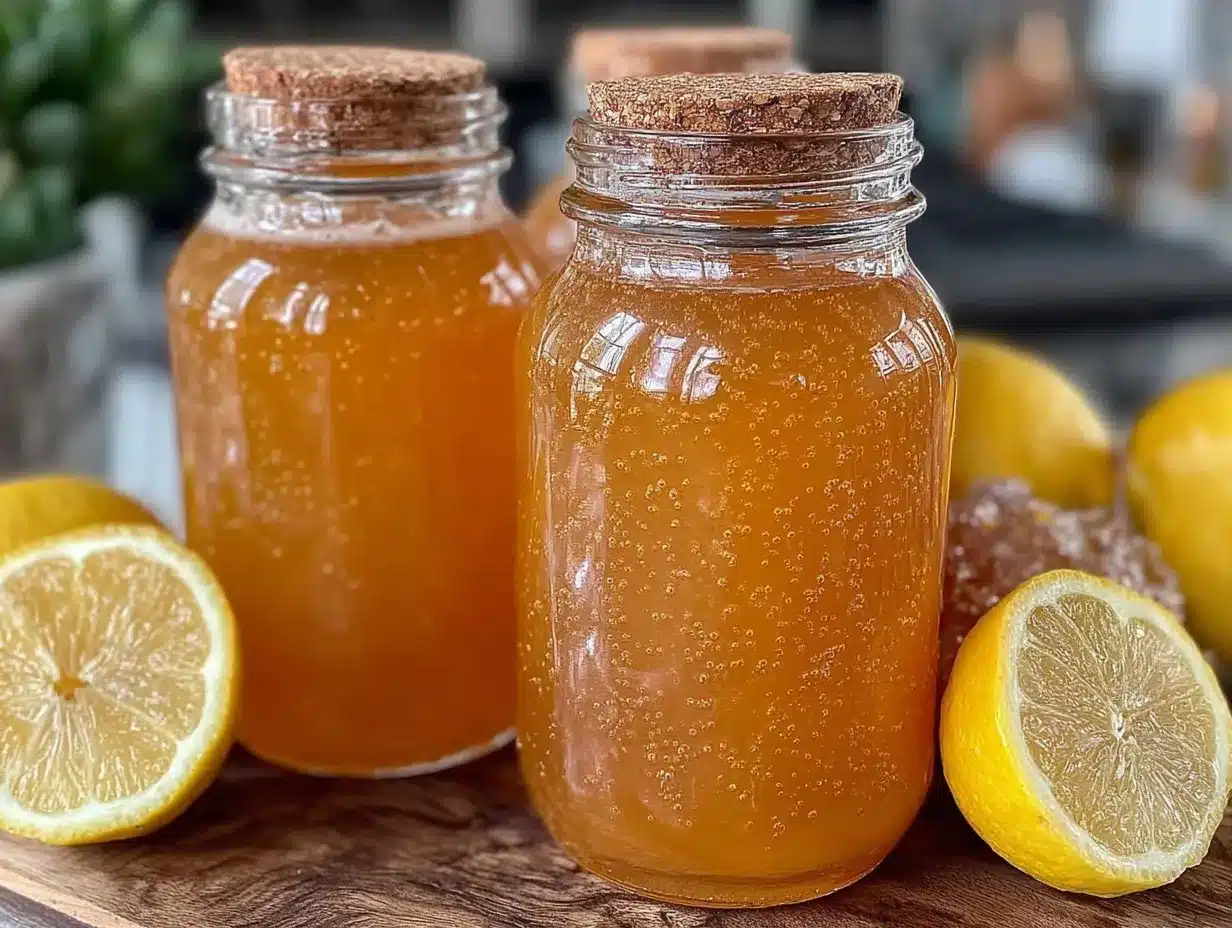
- Wash and Dry the Lemons (10 minutes): Rinse your lemons under warm water and gently scrub to remove any dirt or residue. Pat them completely dry—moisture can muddle the flavor or cause spoilage.
- Pierce the Peel (10 minutes): Using a vegetable peeler, carefully remove the yellow zest from each lemon, avoiding the bitter white pith underneath. You want thin strips of zest that carry all the oils and aroma. (If you accidentally get some pith, trim it off with a sharp knife.)
- Combine Lemon Peels and Vodka (5 minutes): Place the lemon peels in a clean glass bowl or jar, then pour the vodka over them. Stir gently to ensure all peels are submerged.
- Transfer to Bottles (5 minutes): Using a funnel, pour the mixture into your vintage bottles, sealing them tightly. Label with the date so you know when it’s ready.
- Steep in a Cool, Dark Place (3-6 weeks): Store the bottles away from sunlight and heat. Give them a gentle shake every few days to mix the flavors. After about 3 weeks, the lemon aroma will be pronounced and the extract ready to strain.
- Strain and Bottle (10 minutes): Using a fine mesh strainer or cheesecloth, strain the extract into a clean bottle to remove zest pieces. Seal and store in a cool place.
Pro Tip: If you’re impatient like me, the extract’s flavor intensifies over time. After 3 weeks, taste it; if it’s not strong enough, keep steeping and check weekly. Also, make sure your bottles are airtight to keep the extract fresh longer.
Once strained, the extract is ready to use in your favorite recipes or as a brightener for cocktails. A splash can turn a simple batch of creamy honey whipped feta into something truly memorable.
Cooking Tips & Techniques
Perfecting your homemade lemon extract is all about patience and technique. Here are a few insights I’ve picked up along the way:
- Use Only the Zest: The white pith under the peel is bitter and can muddy your extract’s flavor. Take your time peeling thin layers to avoid this.
- Choose Quality Vodka: Since vodka carries the flavor, a clean, neutral spirit like Tito’s or Smirnoff works best. Avoid cheaper brands with harsh notes.
- Give it Time: Don’t rush! The magic happens during the slow infusion. I usually plan batches ahead, so I always have some extract ready.
- Shake Regularly: A gentle shake every 3-4 days helps release oils and blend flavors evenly.
- Keep It Cool and Dark: Sunlight and heat can degrade the flavor and color. A pantry or cupboard is ideal storage.
- Sanitize Everything: Since this is an alcohol infusion, cleanliness prevents unwanted fermentation or spoilage.
One time, I accidentally included too much pith in a batch, and it turned out a bit bitter. Lesson learned—slow and steady zesting wins the race. Also, if you want to speed things up a bit, you can lightly bruise the peels before steeping to release more oils, but be careful not to overdo it.
Variations & Adaptations
While the classic lemon extract is a winner, I’ve played around with some twists that you might enjoy:
- Lime or Orange Zest: Swap lemon for lime or orange peel to create citrus extracts with their own character. Orange extract works beautifully in baked goods like moist pistachio olive oil bundt cake.
- Herb-Infused: Add a sprig of rosemary or thyme during steeping for a subtle herbal note—perfect if you like your lemon rosemary grilled chicken skewers with a little extra flair.
- Alcohol-Free Version: Use food-grade glycerin instead of vodka for a kid-friendly or alcohol-free alternative, though flavor extraction takes longer.
- Sweetened Extract: Stir in a small amount of simple syrup after straining for a sweeter, more dessert-friendly extract.
Personally, I love the herbal twist—it adds a fresh depth that pairs beautifully with savory dishes. Just be sure to remove herbs before bottling to keep the extract clear and smooth.
Serving & Storage Suggestions
This lemon extract is a kitchen multitasker. Use it to brighten up baked goods, sauces, dressings, and even cocktails. Here’s how I like to serve and store mine:
- Serving: Add a teaspoon or two to recipes like creamy white bean chicken chili or a batch of fluffy blueberry lemon ricotta pancakes for a lively citrus note.
- Presentation: Keep the vintage bottles on display near your baking station—it’s a conversation starter and adds a cozy, rustic touch.
- Storage: Store the extract in airtight glass bottles in a cool, dark place. It will keep for up to a year or longer without losing flavor.
- Reheating: No reheating needed—extract is best added cold or at room temperature to preserve its bright aroma.
- Flavor Development: The flavor deepens and mellows over time. If you’re not using it right away, give the bottle a gentle shake every few weeks.
Nutritional Information & Benefits
This homemade lemon extract is low in calories since it’s primarily vodka and lemon peel oils. A teaspoon contains roughly 10-15 calories, mostly from alcohol. It’s naturally gluten-free and keto-friendly, making it great for various dietary needs.
The key health benefit comes from the lemon zest, which packs vitamin C and antioxidants, although in small amounts due to dilution. Using organic lemons helps ensure you avoid pesticide residues on your zest.
For those sensitive to alcohol, remember the extract is used sparingly in recipes, so its alcohol content is minimal in the final dish. If you prefer an alcohol-free option, the glycerin-based substitute mentioned earlier works well.
Overall, this extract offers a natural flavor enhancer without artificial ingredients or additives, aligning nicely with a wholesome cooking approach.
Conclusion
Making easy homemade zesty lemon extract in vintage bottles is one of those small kitchen rituals that turns out to be surprisingly satisfying. It’s simple, requires minimal ingredients, and adds a burst of freshness to your favorite dishes and drinks. I love how this extract lets me connect with the past through those charming bottles while bringing new life to recipes like crispy blackened salmon Caesar salad or tender apple cider braised pork chops.
Give it a try and tweak it to suit your taste—maybe with a dash of your favorite herb or a twist of orange zest. I’m confident it’ll become one of those pantry staples you reach for time and again. And hey, if you’re curious about pairing it with some savory dishes, my creamy butter chicken with soft naan recipe is a fantastic match.
Feel free to share your experiments or questions—I’m always eager to hear how this little homemade treasure works its magic in your kitchen. Happy infusing!
FAQs About Easy Homemade Zesty Lemon Extract
How long does it take to make homemade lemon extract?
It takes about 3 to 6 weeks of steeping to develop a robust lemon flavor, with gentle shaking every few days to help the infusion.
Can I use regular lemons instead of organic?
You can, but it’s best to scrub them thoroughly to remove any wax or pesticides since you’re using the peel.
What kind of vodka is best for making lemon extract?
A neutral, clean-tasting vodka like Tito’s or Smirnoff works best because it won’t overpower the lemon flavor.
How should I store homemade lemon extract?
Store it in airtight glass bottles in a cool, dark place like a pantry or cupboard. It can last for a year or more.
Can I make a non-alcoholic lemon extract?
Yes! Use food-grade glycerin instead of vodka, but note that it takes longer to extract flavor and the taste is slightly different.
Pin This Recipe!
Easy Homemade Zesty Lemon Extract Recipe in Vintage Bottles
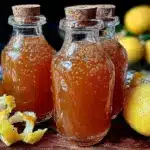
A simple and rewarding recipe to make your own zesty lemon extract using fresh lemon peels and vodka, perfect for baking, cocktails, and cooking.
- Prep Time: 30 minutes
- Cook Time: 0 minutes
- Total Time: 3 to 6 weeks (infusion time)
- Yield: Approximately 1 cup of lemon extract 1x
- Category: Ingredient Preparation
- Cuisine: American
Ingredients
- 4–5 large organic unwaxed lemons
- 1 cup (240 ml) good-quality vodka (around 40% ABV)
Instructions
- Wash and dry the lemons thoroughly to remove any dirt or residue.
- Use a vegetable peeler or microplane to remove thin strips of yellow zest from the lemons, avoiding the bitter white pith.
- Place the lemon peels in a clean glass bowl or jar and pour the vodka over them, stirring gently to submerge all peels.
- Transfer the mixture into vintage or airtight glass bottles using a funnel and seal tightly. Label with the date.
- Store the bottles in a cool, dark place for 3 to 6 weeks, shaking gently every few days to blend flavors.
- After about 3 weeks, strain the extract through a fine mesh strainer or cheesecloth into a clean bottle to remove zest pieces.
- Seal and store the extract in a cool, dark place until ready to use.
Notes
Use only the yellow zest to avoid bitterness from the white pith. Choose a clean, neutral vodka like Tito’s or Smirnoff. Shake the bottles gently every few days during infusion. Store in a cool, dark place. The extract flavor intensifies over time; taste after 3 weeks and continue steeping if needed. For an alcohol-free version, use food-grade glycerin but expect longer extraction time.
Nutrition
- Serving Size: 1 teaspoon
- Calories: 1015
Keywords: lemon extract, homemade lemon extract, zesty lemon extract, lemon zest, vodka extract, citrus extract, vintage bottles, homemade flavoring