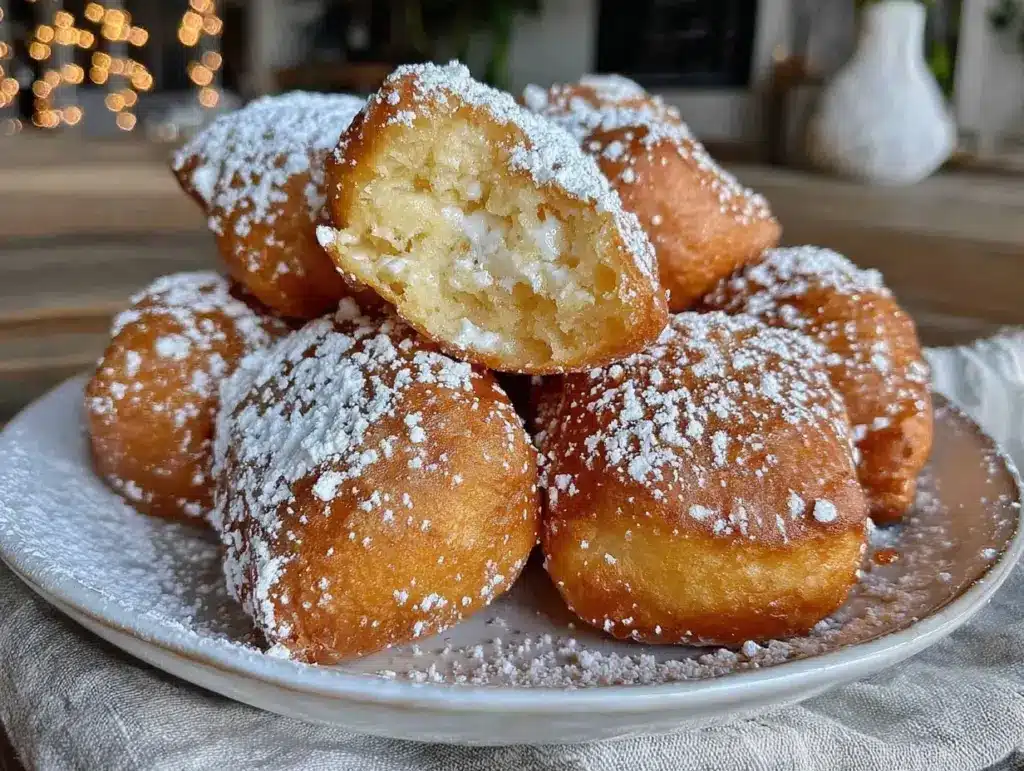
There’s something about the smell of frying dough dusted with powdered sugar that instantly takes me back to a quiet morning in New Orleans. I wasn’t planning to make beignets that day—honestly, it started with a craving sparked by a late-night Food Network rerun. I wasn’t sure if I could pull off something so iconic without a trip to Café du Monde, but the challenge was irresistible. The kitchen felt alive with anticipation as I mixed the dough, remembering a tip from a friend who swore by letting the dough rest just long enough to get that perfect fluffiness.
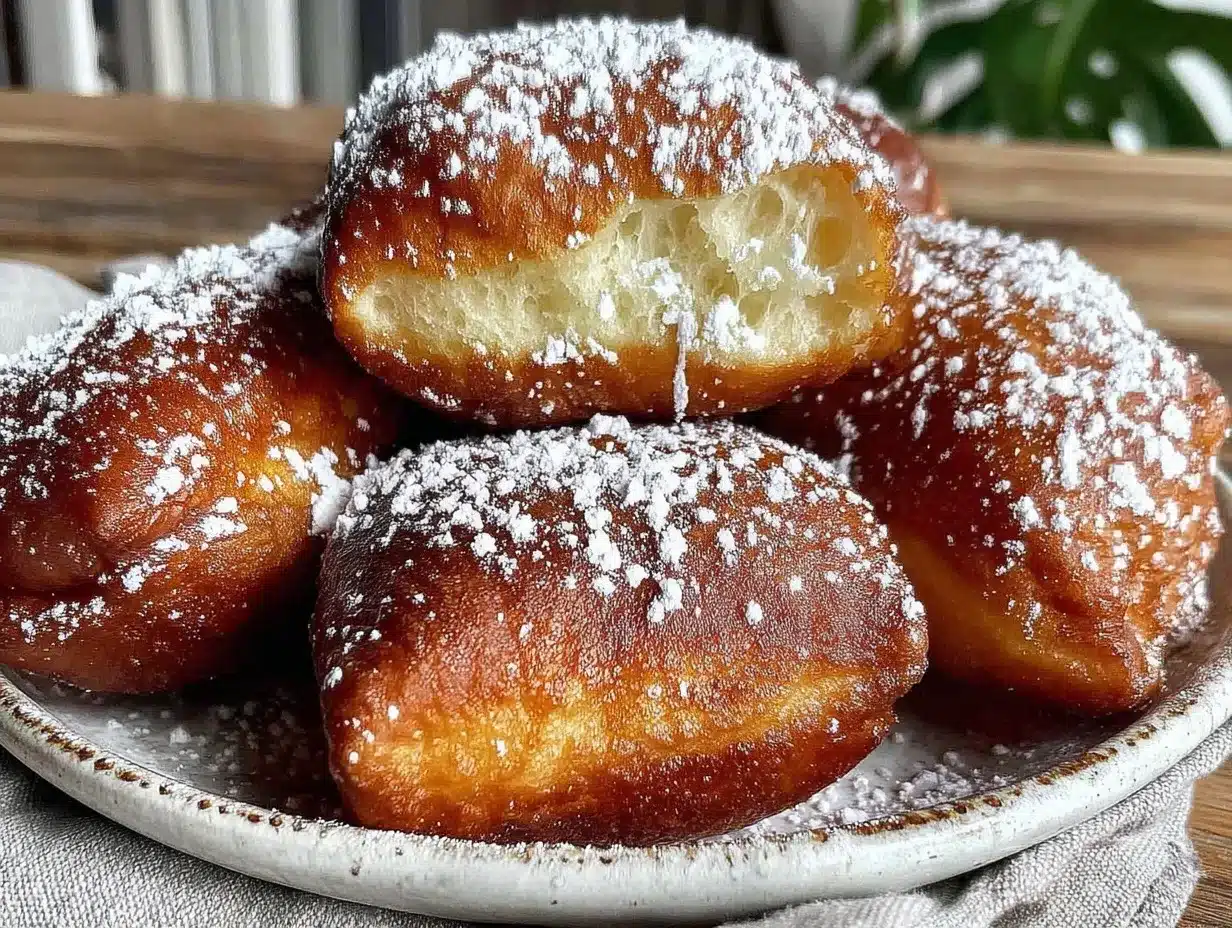
As the golden pillows puffed up in the hot oil, the scent filled the room, weaving a promise of something warm and comforting. The powdered sugar, generously sifted on top, was almost a ritual—like the final touch that made everything right. Honestly, it wasn’t perfect on the first try. The dough was a bit stubborn, and I had to tweak the temperature a couple of times. But once I nailed it, the light, airy texture with that sweet snow-like coating became a quiet obsession—something I found myself making again and again, especially when I needed a little comfort or a sweet reset.
What stuck with me most was how these fluffy New Orleans beignets with powdered sugar could turn a simple morning into something special, no matter where you are. It’s a small, sweet moment that feels like a soft hug from the city itself—without the wait in line. This recipe isn’t just about the beignets; it’s about the warmth they bring and the little joy they sprinkle into everyday life.
Why You’ll Love This Recipe
Making fluffy New Orleans beignets at home might sound intimidating, but this recipe breaks it down into simple steps that anyone can follow. I’ve tested this method multiple times (more than I care to admit), refining it to get that perfect pillowy texture and the signature powdered sugar dusting that just melts in your mouth.
- Quick & Easy: The dough comes together in under 20 minutes, with some resting time, making it manageable even on busy mornings or lazy weekends.
- Simple Ingredients: You don’t need anything fancy—just pantry staples you probably already have, including flour, yeast, and a bit of sugar.
- Perfect for Brunch or Dessert: It’s a crowd-pleaser for brunch parties, holiday mornings, or anytime you want to treat yourself with minimal fuss.
- Crowd-Pleaser: Kids and adults alike love the melt-in-your-mouth texture combined with the sweet powdered sugar blanket.
- Unbelievably Delicious: The secret is in the dough resting and frying at just the right temperature, which creates that airy, fluffy inside and crisp outside.
This isn’t just another fried dough recipe. The balance of yeast fermentation and a touch of vanilla gives these beignets their distinctive taste and texture. Plus, the powdered sugar isn’t just for looks—it’s part of the experience, adding a snowy, sweet finish that makes every bite feel like a little celebration.
What Ingredients You Will Need
This recipe uses simple, wholesome ingredients to deliver bold flavor and satisfying texture without the fuss. Most are pantry staples, but a few notes on selection can help you get the best results.
- All-purpose flour (about 2 ½ cups / 320g) – Look for unbleached flour for a cleaner flavor and better dough structure.
- Active dry yeast (2 ¼ teaspoons / 1 packet) – The magic behind the fluff; make sure it’s fresh and bubbly for best rise.
- Granulated sugar (2 tablespoons) – Adds just enough sweetness and helps with browning.
- Salt (1 teaspoon) – Enhances flavor and balances the sweetness.
- Warm water (1 cup / 240ml) – Temperature should be around 110°F (43°C) to activate the yeast without killing it.
- Evaporated milk (½ cup / 120ml) – Adds richness and tenderness to the dough. You can substitute with whole milk if needed.
- Large eggs (2, room temperature) – Helps with structure and richness.
- Unsalted butter (4 tablespoons / 56g, melted and cooled) – Adds moisture and flavor; I prefer Kerrygold for its creamy taste.
- Vanilla extract (1 teaspoon) – A subtle hint that lifts the dough’s flavor.
- Powdered sugar (for dusting) – Use pure powdered sugar, sifted generously over the finished beignets.
- Vegetable oil (for frying) – Neutral oil with a high smoke point like canola or peanut oil works best.
If you want to try a gluten-free twist, substitute all-purpose flour with a gluten-free blend that includes xanthan gum for structure. For a dairy-free option, swap evaporated milk and butter for coconut milk and coconut oil respectively. These swaps still keep the beignets fluffy and tasty.
Equipment Needed
To make fluffy New Orleans beignets with powdered sugar, you’ll need a handful of common kitchen tools and a few optional extras that make the process smoother.
- Mixing bowls: One large for the dough and a smaller one for proofing the yeast.
- Measuring cups and spoons: Accurate measurements matter here for perfect dough texture.
- Stand mixer with dough hook (optional): Handy for kneading but not mandatory—you can knead by hand if you like a workout.
- Rolling pin: Helps roll the dough evenly before cutting.
- Sharp knife or pizza cutter: For cutting the dough into perfect squares.
- Deep fryer or heavy-bottomed pot: For frying the beignets. A Dutch oven works well, too.
- Thermometer: A candy or deep-fry thermometer is a lifesaver to keep oil at the right temperature (around 350°F / 175°C).
- Slotted spoon or spider strainer: To safely remove beignets from hot oil.
- Cooling rack and paper towels: For draining excess oil and keeping beignets crisp.
Personally, I started out frying in a regular pot, but invested in a thermometer after a few undercooked batches. It made a huge difference in consistency. If you don’t have a thermometer, test the oil by dropping a small piece of dough—it should bubble up immediately without browning too fast.
Preparation Method
- Activate the yeast: In a small bowl, combine warm water (110°F / 43°C), yeast, and 1 teaspoon sugar. Stir gently, then let sit for 5-7 minutes until foamy. If it doesn’t foam, your yeast might be dead—start over for best results.
- Mix dry ingredients: In a large bowl, whisk together the flour, remaining sugar, and salt.
- Combine wet ingredients: In a separate bowl, whisk eggs, evaporated milk, melted butter, and vanilla extract until smooth.
- Form the dough: Add the activated yeast mixture and wet ingredients to the dry ingredients. Stir with a wooden spoon or dough hook attachment until a sticky dough forms.
- Knead the dough: Turn the dough onto a lightly floured surface and knead for about 6-8 minutes until smooth and elastic. Alternatively, knead in a stand mixer for 4-5 minutes on medium speed.
- First rise: Place the dough in a greased bowl, cover with a damp cloth or plastic wrap, and let it rise in a warm spot for 1 to 1 ½ hours, or until doubled in size.
- Roll out the dough: Punch down the dough gently, then roll it out on a floured surface to about ¼ inch (0.6 cm) thickness.
- Cut into squares: Using a sharp knife or pizza cutter, cut the dough into 3-inch (7.5 cm) squares. Try to keep them even for consistent frying.
- Heat the oil: Pour vegetable oil into a heavy pot or deep fryer to about 2 inches deep. Heat to 350°F (175°C), monitoring with a thermometer.
- Fry the beignets: Fry a few pieces at a time, flipping halfway through, until golden brown and puffed—about 2-3 minutes per batch. Avoid overcrowding to keep the oil temperature steady.
- Drain and dust: Remove beignets with a slotted spoon, drain on paper towels, then immediately dust generously with powdered sugar while still warm.
Quick tip: If your oil temperature drops too low, the beignets absorb excess oil and get greasy. If it’s too hot, they brown too fast but stay doughy inside. Patience and a thermometer are key!
Cooking Tips & Techniques
Getting fluffy New Orleans beignets just right takes a few tricks, mostly around dough handling and frying temperature. One mistake I often made early on was rushing the dough rising—if you don’t give the yeast enough time, the beignets turn out dense and tough.
Also, don’t skip the resting period after kneading; it lets the gluten relax and helps the dough roll out smoothly. When rolling, flour your surface lightly but don’t overdo it, or the dough becomes stiff and dry.
When frying, the oil temperature is everything. I learned the hard way that too hot means burnt outsides and raw insides, while too cool results in greasy beignets. Keep a thermometer nearby and adjust your heat accordingly.
Use a slotted spoon to gently flip the beignets so they puff evenly on both sides. Removing them promptly and dusting with powdered sugar while still hot ensures the sugar melts slightly, giving you that signature texture and sweetness.
Finally, practice makes perfect. I’ve made these dozens of times, sometimes tweaking the water temperature or resting time based on humidity and even the brand of flour. The more you make them, the more you’ll get a feel for the dough’s perfect texture and the oil’s sweet spot.
Variations & Adaptations
While classic New Orleans beignets are a delight on their own, there are plenty of ways to make this recipe your own.
- Gluten-free version: Use a gluten-free flour blend with xanthan gum. The texture will be slightly different but still satisfy that craving.
- Vegan adaptation: Swap eggs with a flaxseed egg (1 tablespoon ground flaxseed + 3 tablespoons water), use coconut milk instead of evaporated milk, and substitute butter with coconut oil.
- Flavor twists: Add a pinch of cinnamon or nutmeg to the dough for a warm spice note. For a citrusy lift, mix in a teaspoon of orange zest.
- Filling ideas: Try adding a small dollop of fruit jam or chocolate spread in the center before frying for a gooey surprise.
- Cooking method: If frying isn’t your thing, you can bake the dough squares at 375°F (190°C) for about 12-15 minutes, though they won’t be quite as fluffy or crisp.
One of my favorite variations is a batch with a hint of vanilla and orange zest—adds a subtle brightness that pairs beautifully with the powdered sugar. I’ve made these for friends with dairy allergies by swapping out the milk and butter, and they were none the wiser!
Serving & Storage Suggestions
Beignets are best enjoyed fresh and warm, right after frying and dusting with powdered sugar. Serve them on a platter lined with parchment paper or a wire rack to keep them crisp. Pair with a strong cup of coffee or café au lait to channel that true New Orleans vibe.
If you have leftovers (though that rarely happens!), store them in an airtight container at room temperature for up to 24 hours. For longer storage, freeze cooled beignets in a sealed bag for up to a month.
To reheat, pop them in a preheated oven at 350°F (175°C) for 5-7 minutes until warm and crisp again. Avoid microwaving if you want to keep that delicate crispiness.
Interestingly, the flavors mellow and meld a bit if you let the beignets sit for a few hours, but the texture will soften. If you want to prep ahead, you can make the dough the night before and refrigerate it, then fry fresh in the morning for a nearly effortless treat.
Nutritional Information & Benefits
Each fluffy New Orleans beignet is a small indulgence packed with carbs and fat, making it a perfect comfort food treat rather than an everyday snack. A single beignet typically contains about 150-200 calories depending on size and frying oil absorption.
Key ingredients like eggs and milk contribute protein and some essential vitamins, while the flour gives you energy-boosting carbohydrates. Using evaporated milk adds richness and calcium, and opting for unsalted butter lets you control sodium levels.
If you’re watching gluten intake, the gluten-free flour alternative keeps these accessible. Just remember, powdered sugar adds simple sugars, so moderation is key. Honestly, these beignets are best enjoyed as a joyful occasional treat rather than a daily habit.
Conclusion
Fluffy New Orleans beignets with powdered sugar are more than just a sweet fried dough—they’re a tiny celebration of warmth, comfort, and a bit of indulgence that anyone can make at home. Whether you’re recreating a trip to the French Quarter or simply craving a sweet pick-me-up, this recipe offers a straightforward way to bring a little magic to your kitchen.
Feel free to play around with the dough, tweak the flavors, or try one of the variations to make these beignets truly your own. Personally, I love that these treats remind me that even simple ingredients and a bit of patience can turn into something delightful.
Give it a go, and if you come up with a fun twist or have a tip of your own, I’d love to hear about it in the comments. Happy frying, and may your kitchen smell as sweet as mine did that first time!
FAQs
What makes New Orleans beignets so fluffy?
The fluffiness comes from using active yeast to ferment the dough, which creates air pockets when fried, plus letting the dough rest properly before shaping and frying.
Can I make the dough ahead of time?
Yes! You can prepare the dough the night before, refrigerate it covered, then let it come to room temperature before rolling and frying. This actually helps develop flavor.
What oil is best for frying beignets?
Use a neutral oil with a high smoke point like vegetable, canola, or peanut oil. Avoid olive oil as it has a lower smoke point and stronger flavor.
How do I prevent beignets from being greasy?
Maintain the oil temperature around 350°F (175°C). Too low, and the dough absorbs oil; too high, and they burn outside but stay raw inside.
Are beignets gluten-free?
Traditional beignets are made with wheat flour and are not gluten-free. However, you can use gluten-free flour blends as a substitute, though texture may vary slightly.
Pin This Recipe!

Fluffy New Orleans Beignets Recipe Easy Step-by-Step Guide

This recipe guides you through making fluffy New Orleans beignets with a light, airy texture and a generous dusting of powdered sugar, perfect for brunch or dessert.
- Prep Time: 20 minutes
- Cook Time: 15 minutes
- Total Time: 1 hour 35 minutes
- Yield: 12 servings 1x
- Category: Dessert
- Cuisine: New Orleans, American
Ingredients
- 2 ½ cups (320g) all-purpose flour, unbleached
- 2 ¼ teaspoons (1 packet) active dry yeast
- 2 tablespoons granulated sugar
- 1 teaspoon salt
- 1 cup (240ml) warm water (about 110°F / 43°C)
- ½ cup (120ml) evaporated milk (or whole milk as substitute)
- 2 large eggs, room temperature
- 4 tablespoons (56g) unsalted butter, melted and cooled
- 1 teaspoon vanilla extract
- Powdered sugar, for dusting
- Vegetable oil, for frying (canola or peanut oil preferred)
Instructions
- Activate the yeast: In a small bowl, combine warm water (110°F / 43°C), yeast, and 1 teaspoon sugar. Stir gently, then let sit for 5-7 minutes until foamy.
- Mix dry ingredients: In a large bowl, whisk together the flour, remaining sugar, and salt.
- Combine wet ingredients: In a separate bowl, whisk eggs, evaporated milk, melted butter, and vanilla extract until smooth.
- Form the dough: Add the activated yeast mixture and wet ingredients to the dry ingredients. Stir with a wooden spoon or dough hook attachment until a sticky dough forms.
- Knead the dough: Turn the dough onto a lightly floured surface and knead for about 6-8 minutes until smooth and elastic. Alternatively, knead in a stand mixer for 4-5 minutes on medium speed.
- First rise: Place the dough in a greased bowl, cover with a damp cloth or plastic wrap, and let it rise in a warm spot for 1 to 1 ½ hours, or until doubled in size.
- Roll out the dough: Punch down the dough gently, then roll it out on a floured surface to about ¼ inch (0.6 cm) thickness.
- Cut into squares: Using a sharp knife or pizza cutter, cut the dough into 3-inch (7.5 cm) squares.
- Heat the oil: Pour vegetable oil into a heavy pot or deep fryer to about 2 inches deep. Heat to 350°F (175°C), monitoring with a thermometer.
- Fry the beignets: Fry a few pieces at a time, flipping halfway through, until golden brown and puffed—about 2-3 minutes per batch. Avoid overcrowding.
- Drain and dust: Remove beignets with a slotted spoon, drain on paper towels, then immediately dust generously with powdered sugar while still warm.
Notes
Maintain oil temperature around 350°F (175°C) to avoid greasy or undercooked beignets. Let dough rise fully for fluffiness. Dust with powdered sugar immediately after frying while still warm. Dough can be prepared the night before and refrigerated.
Nutrition
- Serving Size: 1 beignet
- Calories: 175
- Sugar: 6
- Sodium: 150
- Fat: 7
- Saturated Fat: 3.5
- Carbohydrates: 24
- Fiber: 1
- Protein: 4
Keywords: beignets, New Orleans beignets, fried dough, powdered sugar, brunch, dessert, easy beignets, fluffy beignets