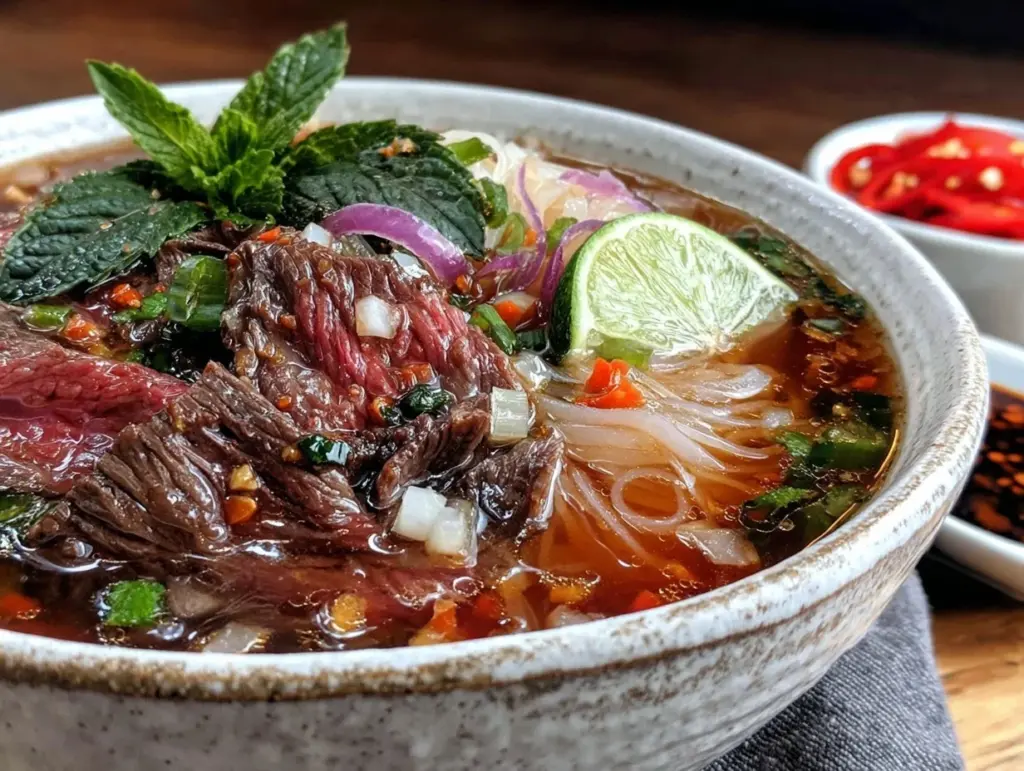
The steam was rising thick from my pot, filling the kitchen with a scent that was somehow both unfamiliar and deeply comforting. I had never really planned to make fresh Vietnamese beef pho myself—it always seemed like one of those dishes best left to expert street vendors or well-loved restaurants. But that evening, after a long day juggling deadlines and the usual chaos, I found myself staring at a fridge full of random herbs and a lonely beef bone package, wondering if I could pull something together without the usual fuss.
As the broth simmered gently, releasing hints of star anise and cinnamon, I remembered a casual text from a friend who swore by her homemade pho recipe. “You’ve got to try it,” she’d said, “It’s easier than you think and worth every minute.” Honestly, I was skeptical, but the aroma wrapping around me was a quiet promise. A few tweaks here and a little patience there, and suddenly, I was hooked—making fresh Vietnamese beef pho not once, but three times that week. It wasn’t just the taste, but the ritual of layering flavors and fresh herbs that grounded me.
What stuck with me was the way the herbs—cilantro, Thai basil, and mint—added that vibrant lift, making each spoonful feel like a small celebration. It became my little comfort, a bowl that reminded me no matter how hectic life gets, some things are worth the time. This recipe isn’t about perfection or speed; it’s about savoring the slow build of flavor and the simple joy of fresh ingredients coming together in a humble bowl.
Why You’ll Love This Fresh Vietnamese Beef Pho Recipe
After a few rounds of testing and tweaking, I can say this fresh Vietnamese beef pho recipe has earned a permanent spot in my cooking rotation. It’s not just any pho—it’s a version that’s approachable and yields deep, aromatic broth that’ll have you coming back for more.
- Quick & Easy: While traditional pho broth can take hours, this recipe streamlines the process so you can enjoy it in under 3 hours, making it perfect for weekend meals or cozy weeknights.
- Simple Ingredients: No exotic or hard-to-find items here. Most ingredients are pantry staples or fresh herbs you can grab at your local market.
- Perfect for Comfort Food Cravings: Whether you’re winding down after a hectic day or hosting a casual dinner, this pho brings warmth and freshness to the table.
- Crowd-Pleaser: The balanced herbs and rich beef broth get rave reviews from both pho newbies and seasoned fans.
- Unbelievably Delicious: The secret lies in toasting whole spices and adding fresh aromatic herbs at just the right moment, creating layers of flavor that feel both complex and homey.
What makes this recipe stand out is the subtle roasting of spices like star anise, cloves, and cinnamon before simmering, which adds a depth you don’t often get from simpler broth recipes. Also, I’ve found that using thinly sliced sirloin beef, added at the last minute, keeps the meat tender and juicy rather than tough or overcooked. Plus, the fresh herbs aren’t an afterthought—they’re integral, adding brightness and texture that lifts every bite.
Honestly, it’s the kind of pho that makes you close your eyes and savor the moment. It’s a quiet, soul-soothing bowl that’s healthier and fresher than takeout but just as satisfying. If you enjoy recipes like the creamy butter chicken with soft naan or crave bold, comforting flavors in your meals, this pho will quickly become a favorite go-to.
What Ingredients You Will Need
This fresh Vietnamese beef pho uses simple, wholesome ingredients to deliver bold flavor and satisfying texture without the fuss. Most items are pantry staples or fresh herbs easily found at your local grocery or Asian market.
- For the Broth:
- Beef bones (marrow and knuckle, about 2 pounds / 900 g) – the base for rich broth
- Onion (1 large, halved and charred) – adds sweetness and depth
- Ginger (4-inch piece, sliced and charred) – for warmth and aroma
- Star anise (3 whole) – key for pho’s signature scent
- Cloves (4 whole) – add subtle spice
- Cinnamon stick (1 large, about 3 inches / 7.5 cm) – for a sweet-spicy note
- Cardamom pods (2, lightly crushed) – optional, for extra complexity
- Fish sauce (3 tablespoons) – brings umami and savory depth (I like Red Boat brand for authenticity)
- Sugar (1 tablespoon, preferably rock sugar or light brown sugar) – balances flavors
- Salt (to taste)
- Water (about 12 cups / 3 liters)
- For the Soup:
- Rice noodles (pho noodles, about 8 ounces / 225 g) – thin flat noodles work best
- Sirloin or eye of round beef (8 ounces / 225 g, thinly sliced) – added raw to cook in hot broth
- Bean sprouts (1 cup / 100 g, rinsed)
- Fresh herbs: Thai basil, cilantro, and mint (about 1/2 cup each, loosely packed)
- Green onions (2, thinly sliced)
- Fresh lime wedges (for serving)
- Jalapeño or Thai chili slices (optional, for heat)
- Hoisin sauce and sriracha (optional, for dipping and flavor boost)
If you can’t find pho noodles, flat rice vermicelli is a decent substitute. For a gluten-free option, ensure the fish sauce and noodles are certified gluten-free. When fresh herbs are in season, like Thai basil, make sure to pick vibrant leaves for the best flavor. In winter, frozen bean sprouts work if fresh aren’t available.
Equipment Needed
- Large stockpot (at least 8-quart / 7.5-liter capacity) – for simmering the broth comfortably
- Charcoal grill or open flame (optional) – great for charring onions and ginger, but a hot broiler or stovetop pan works too
- Fine mesh strainer or cheesecloth – to strain the broth for a clear finish
- Slotted spoon or skimmer – to remove impurities from the broth surface
- Sharp knife and cutting board – essential for slicing meats and herbs
- Large bowls for serving
I usually skip fancy gadgets and just rely on a heavy-bottomed pot and a sturdy knife. If you don’t have a grill or broiler, placing onions and ginger under a high heat on the stove with a cast-iron pan works just fine. Cleaning your stockpot right after use with warm soapy water and a soft brush keeps it in good shape without scratching.
Preparation Method
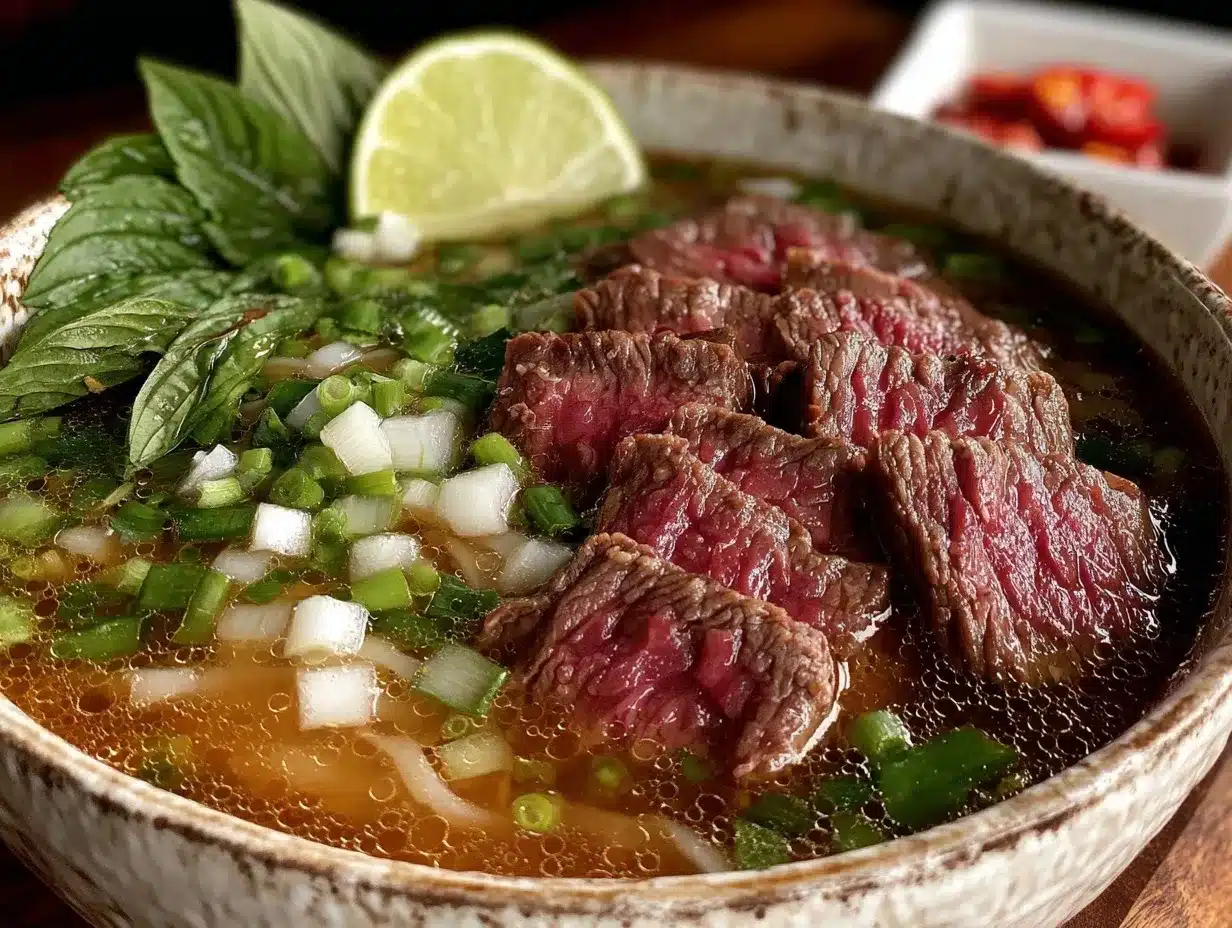
- Prepare and Char the Aromatics: Preheat your broiler or grill. Place the halved onion and sliced ginger on a baking sheet and char under high heat for about 5-7 minutes per side, until blackened and fragrant. This step brings out smoky notes essential to authentic pho broth.
- Blanch the Beef Bones: Put beef bones in the stockpot and cover with cold water (about 12 cups / 3 liters). Bring to a rolling boil over high heat for 10 minutes to remove impurities. Skim off any foam or scum with a slotted spoon. Drain and rinse bones and pot to keep broth clear.
- Simmer the Broth: Return the bones to the cleaned pot, add fresh water, charred onion and ginger, star anise, cloves, cinnamon, and cardamom pods. Bring to a gentle boil, then reduce heat to low and simmer uncovered for 2 to 2.5 hours. Skim any scum every 30 minutes to maintain clarity.
- Season the Broth: After simmering, add fish sauce, sugar, and salt to taste. Simmer an additional 15 minutes to blend flavors. Strain the broth through a fine mesh strainer or cheesecloth into a clean pot to remove solids and spices, leaving a clear, fragrant broth.
- Prepare the Noodles: Soak pho noodles in warm water for 20-30 minutes or cook according to package instructions until just tender. Drain and set aside.
- Slice the Beef: Thinly slice the sirloin or eye of round beef against the grain. For the best thin slices, partially freeze the beef for 20-30 minutes beforehand.
- Assemble the Bowls: Divide noodles into large serving bowls. Arrange raw beef slices on top. Pour the boiling hot broth directly over the meat and noodles — the heat will cook the beef perfectly in seconds.
- Add Fresh Herbs and Garnishes: Serve immediately with bean sprouts, Thai basil, cilantro, mint, green onions, lime wedges, and sliced chilies on the side. Offer hoisin and sriracha sauces for extra flavor.
Tip: Taste the broth at the end and adjust seasoning if needed. If the broth tastes too strong or salty, add a splash of water or a few ice cubes to mellow it out. Also, don’t rush the simmering step—it’s what gives the broth its unforgettable depth. I learned this after a rushed batch once turned out flat and bland!
Cooking Tips & Techniques
Getting that perfect bowl of fresh Vietnamese beef pho is about patience and building layers of flavor. Here are some tips I picked up along the way:
- Toast Your Spices: Dry roasting star anise, cloves, and cinnamon before adding them to the broth releases essential oils, boosting aroma and complexity.
- Char the Onion and Ginger: This smoky step might seem small, but it’s crucial for authentic pho flavor. If you skip it, the broth feels flat.
- Skim Frequently: As the broth simmers, foam and impurities rise. Skimming keeps the broth clear and clean tasting.
- Slice Beef Thinly: Use a sharp knife and slice beef partially frozen to get paper-thin slices that cook quickly and stay tender.
- Don’t Overcook the Noodles: Pho noodles can get mushy fast. Either soak or boil them just until tender and rinse with cold water to stop cooking.
- Simmer, Don’t Boil: Keep the broth at a gentle simmer to avoid cloudiness and bitterness.
Trust me, I once learned the hard way after boiling the broth too hard and ending up with a cloudy mess. Also, multitasking helps the most—get your herbs prepped and noodles ready while the broth simmers. For inspiration on balancing complex flavors in easy ways, I’ve found the creamy white pizza with ricotta and spinach recipe’s layering techniques surprisingly insightful for layering flavor in savory dishes.
Variations & Adaptations
This fresh Vietnamese beef pho is flexible enough to suit many tastes and dietary needs. Here are some variations I’ve tried or recommend:
- Chicken Pho (Pho Ga): Swap beef bones for chicken carcasses and thighs. Adjust simmering time to 1.5 hours. Garnish similarly with herbs and lime.
- Vegetarian Pho: Use vegetable broth and add dried shiitake mushrooms and star anise for depth. Replace fish sauce with soy sauce or tamari, and add tofu or seitan instead of beef.
- Spicy Pho: Add sliced fresh jalapeños or a spoonful of chili oil to the broth. Serve with extra chili slices on the side for heat lovers.
- Gluten-Free Version: Ensure rice noodles and fish sauce are certified gluten-free. Use coconut aminos instead of soy sauce if needed.
- Herb Variations: Try swapping Thai basil with regular sweet basil or adding culantro if you can find it. Fresh mint is always a winner for brightness.
Personally, I once experimented by adding a splash of star anise-infused apple cider vinegar to the broth, which gave it a subtle tang that was unexpectedly delightful. If you love bold flavors, you might enjoy pairing this pho with my crispy Mongolian beef recipe for a full, flavor-packed meal experience.
Serving & Storage Suggestions
Serve this fresh Vietnamese beef pho piping hot to enjoy the broth’s full aroma and to cook the beef slices perfectly. A large, deep bowl works best to hold all the broth, noodles, and garnishes comfortably. Arrange the fresh herbs, bean sprouts, and lime wedges on a platter so everyone can customize their bowl.
Complement your pho with lighter sides like spring rolls or a simple cucumber salad to keep the meal balanced. For drinks, a cold jasmine tea or a crisp lager pairs nicely with the fragrant broth.
Leftovers can be stored in the refrigerator for up to 3 days. Store broth, noodles, beef, and herbs separately to keep textures fresh. Reheat broth on the stove until steaming hot before pouring over noodles and beef. Avoid reheating noodles in broth for too long—they tend to soften excessively.
Flavors often deepen after sitting overnight, so if you’re making broth ahead, it actually tastes better the next day. Just reheat gently and add fresh herbs last minute for that bright pop of flavor.
Nutritional Information & Benefits
This fresh Vietnamese beef pho is light yet satisfying, with an estimated 350-400 calories per serving depending on portion size. It’s high in protein from lean beef, low in fat if you skim the broth well, and packed with vitamins and antioxidants from fresh herbs.
The broth’s slow-simmered bones provide collagen and minerals, which are great for joint and skin health. Herbs like cilantro and Thai basil contribute anti-inflammatory benefits and aid digestion.
For those watching carbs, rice noodles are moderate but can be swapped for shirataki noodles or spiralized vegetables for a lower-carb option. This recipe is naturally gluten-free if you use certified ingredients and free from dairy and eggs, making it suitable for many dietary preferences.
From a wellness standpoint, this pho feels like a nourishing reset—hydrating, aromatic, and comforting without feeling heavy or greasy.
Conclusion
This fresh Vietnamese beef pho recipe is more than a bowl of soup—it’s a ritual of slow-simmered flavors, fresh herbs, and simple ingredients that come together to comfort and satisfy. Whether you’re a pho novice or someone who’s been craving that perfect homemade bowl, this recipe gives you a way to make it your own without the fuss or mystery.
Feel free to tweak the herbs, adjust the spice level, or swap proteins to match your mood and pantry. The beauty of pho is in its flexibility and layered flavor, and that’s exactly why I keep coming back to this recipe.
Making it has turned into a little quiet joy in my kitchen—something that grounds busy days and celebrates simple, fresh food. If you try it out, I’d love to hear how you customized it and what herb combos you liked best!
Frequently Asked Questions about Fresh Vietnamese Beef Pho
How long does it take to make fresh Vietnamese beef pho?
Simmering the broth takes about 2 to 2.5 hours. Prep work and assembly add roughly 30-45 minutes, so plan for around 3 hours total.
Can I make the broth ahead of time?
Absolutely. The broth tastes even better after resting overnight in the fridge. Just strain and store it separately from noodles and beef.
What cut of beef is best for pho?
Lean cuts like sirloin or eye of round are ideal because they slice thin and cook quickly in hot broth without becoming tough.
Is it necessary to char the onion and ginger?
While you can skip charring, it adds a smoky depth that’s signature to good pho broth. You can char them under a broiler or in a dry pan if you don’t have a grill.
Can I substitute the rice noodles?
Yes, flat rice vermicelli works well. For low-carb options, try shirataki noodles or spiralized vegetables, but the texture will differ from traditional pho.
Pin This Recipe!
Fresh Vietnamese Beef Pho Recipe Easy Homemade Aromatic Herb Soup

A comforting and aromatic Vietnamese beef pho recipe featuring a rich, slow-simmered broth, fresh herbs, and tender thinly sliced beef. This approachable recipe streamlines traditional pho preparation for a flavorful and satisfying meal.
- Prep Time: 30 minutes
- Cook Time: 2 hours 30 minutes
- Total Time: 3 hours
- Yield: 4 servings 1x
- Category: Main Course
- Cuisine: Vietnamese
Ingredients
- 2 pounds beef bones (marrow and knuckle)
- 1 large onion, halved and charred
- 4-inch piece ginger, sliced and charred
- 3 whole star anise
- 4 whole cloves
- 1 large cinnamon stick (about 3 inches)
- 2 cardamom pods, lightly crushed (optional)
- 3 tablespoons fish sauce
- 1 tablespoon sugar (rock sugar or light brown sugar preferred)
- Salt to taste
- 12 cups water
- 8 ounces rice noodles (pho noodles)
- 8 ounces sirloin or eye of round beef, thinly sliced
- 1 cup bean sprouts, rinsed
- 1/2 cup Thai basil, loosely packed
- 1/2 cup cilantro, loosely packed
- 1/2 cup mint, loosely packed
- 2 green onions, thinly sliced
- Fresh lime wedges for serving
- Jalapeño or Thai chili slices (optional)
- Hoisin sauce (optional)
- Sriracha sauce (optional)
Instructions
- Preheat broiler or grill. Char halved onion and sliced ginger on a baking sheet under high heat for 5-7 minutes per side until blackened and fragrant.
- Place beef bones in a large stockpot and cover with 12 cups cold water. Bring to a rolling boil over high heat for 10 minutes to remove impurities. Skim foam and scum, then drain and rinse bones and pot.
- Return bones to cleaned pot. Add fresh water, charred onion and ginger, star anise, cloves, cinnamon stick, and cardamom pods. Bring to a gentle boil, then reduce heat to low and simmer uncovered for 2 to 2.5 hours. Skim scum every 30 minutes.
- Add fish sauce, sugar, and salt to taste. Simmer an additional 15 minutes. Strain broth through fine mesh strainer or cheesecloth into a clean pot.
- Soak pho noodles in warm water for 20-30 minutes or cook according to package instructions until just tender. Drain and set aside.
- Partially freeze beef for 20-30 minutes, then thinly slice against the grain.
- Divide noodles into large serving bowls. Arrange raw beef slices on top.
- Pour boiling hot broth over noodles and beef to cook the meat instantly.
- Serve immediately with bean sprouts, Thai basil, cilantro, mint, green onions, lime wedges, and sliced chilies on the side. Offer hoisin and sriracha sauces for extra flavor.
Notes
Toast spices before adding to broth to release essential oils. Char onion and ginger for smoky depth. Skim broth frequently to keep it clear. Slice beef thinly and partially freeze for best texture. Do not overcook noodles; soak or cook until just tender and rinse with cold water. Simmer broth gently to avoid cloudiness. Broth tastes better after resting overnight. Adjust seasoning at the end and add water or ice cubes if too strong or salty.
Nutrition
- Serving Size: 1 bowl (approximatel
- Calories: 375
- Sugar: 3
- Sodium: 900
- Fat: 8
- Saturated Fat: 3
- Carbohydrates: 40
- Fiber: 2
- Protein: 30
Keywords: Vietnamese beef pho, pho recipe, homemade pho, beef noodle soup, aromatic broth, Vietnamese soup, easy pho, fresh herbs, comfort food