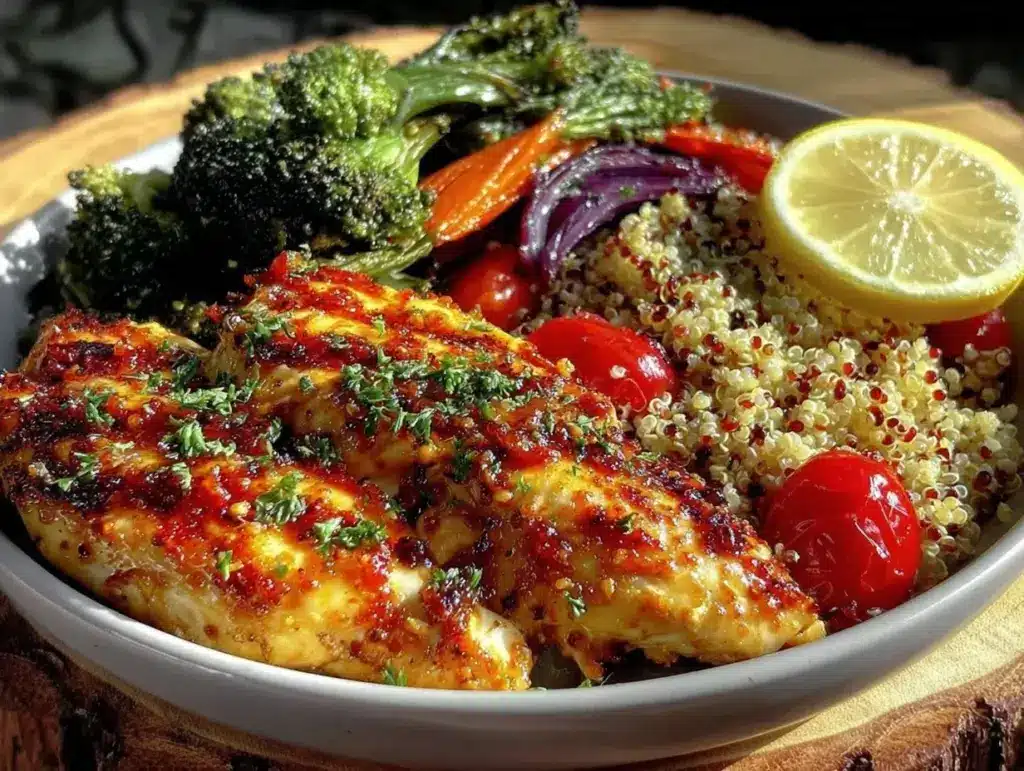
“I don’t know how I’m going to manage this,” I muttered under my breath, staring at the jumble of food packages on the kitchen counter. It was the day I got diagnosed with gestational diabetes, and honestly, the thought of reworking my entire meal routine felt overwhelming. I remember sitting there, feeling a little defeated, until I realized something — I had to eat well, but it didn’t have to be complicated or bland. The idea of a Healthy Gestational Diabetes Meal Plan Weekly for Balanced Nutrition slowly took shape from that moment of chaos.
Balancing blood sugar while still craving flavor and variety is a tricky puzzle. I started jotting down meals that wouldn’t spike my glucose but still felt satisfying. Over the weeks, that scribbled list turned into a real weekly plan — filled with meals that kept me steady and, surprisingly, happy. The smell of freshly sautéed veggies or the crunch of toasted nuts became little victories, reminders that managing gestational diabetes didn’t mean sacrificing joy at the table.
What’s funny is how much this meal plan became an unexpected comfort. Even on days when everything else felt uncertain, I knew my food choices were supporting both me and the baby — steady energy, balanced nutrition, and a touch of homemade goodness. This isn’t just another diet; it’s a way of eating that made all the difference for me, one thoughtful meal at a time.
Why You’ll Love This Recipe
After trying countless meal plans and tweaking recipes, this Healthy Gestational Diabetes Meal Plan Weekly for Balanced Nutrition stands out for several reasons. It’s more than just food on a plate — it’s about feeling confident and nourished during a demanding time.
- Quick & Easy: Meals come together in under 30 minutes, perfect when you have a million things on your mind.
- Simple Ingredients: No need for specialty store runs; you’ll find most items in your pantry or local market.
- Perfect for Every Meal: Whether it’s breakfast, lunch, or dinner, this plan covers balanced options that keep blood sugar in check.
- Crowd-Pleaser: Family-friendly enough so you’re not cooking multiple meals — everyone ends up happy.
- Unbelievably Delicious: The flavors strike just the right harmony — think fresh herbs, hearty proteins, and wholesome grains.
What really sets this plan apart is the attention to balanced portions of carbs, fats, and proteins, thoughtfully spaced throughout the day. For instance, blending cottage cheese into morning smoothies adds creamy texture without the sugar spike, a little trick I picked up from my nutritionist. It’s not just about restriction; it’s about smart swaps and delicious combinations that make you want to eat well.
Honestly, this meal plan became my lifeline, the kind of eating that lets you close your eyes after a bite and feel good about what’s inside. And if you’re curious about other comforting yet balanced dishes, you might enjoy the creamy one-pot vodka rigatoni I recently shared — it’s a hit for cozy weeknights!
What Ingredients You Will Need
This meal plan focuses on wholesome, easy-to-find ingredients that provide slow-burning energy and stable blood sugar. Most items are pantry staples, but feel free to swap based on availability or preferences.
- Proteins: Skinless chicken breast (lean and versatile), canned chickpeas (great plant-based option), eggs (large, free-range if possible), low-fat Greek yogurt (adds creaminess and probiotics)
- Whole Grains & Fiber: Quinoa (rich in protein and fiber), steel-cut oats (slow-digesting carbs), whole wheat bread (look for minimal ingredients), brown rice (nutty and filling)
- Vegetables: Fresh spinach (mild flavor, nutrient-dense), cherry tomatoes (sweet burst, perfect raw or roasted), zucchini (great for spiralizing or sautéing), carrots (for crunch and natural sweetness)
- Fruits: Berries (blueberries or strawberries, low glycemic index), green apples (crisp and tart), avocados (healthy fats that slow carb absorption)
- Healthy Fats: Extra virgin olive oil (for cooking and dressings), raw almonds (snack or salad topper), chia seeds (fiber-packed addition to yogurt or smoothies)
- Flavor Enhancers: Fresh garlic (aromatic and healing), lemon juice (brightens dishes), fresh basil or parsley (adds freshness), ground cinnamon (helps regulate blood sugar)
For ingredient quality, I personally trust brands like Bob’s Red Mill for whole grains and Fage for Greek yogurt; choosing fresh, organic produce when possible makes a difference too. If you need gluten-free options, swapping quinoa or brown rice for certified gluten-free grains works well. And dairy-free? Coconut yogurt is a solid substitute that keeps the texture creamy without added sugars.
Equipment Needed
- Non-stick skillet or sauté pan (essential for healthy cooking with less oil)
- Medium saucepan (for grains like quinoa or brown rice)
- Mixing bowls (for salads or batter preparation)
- Sharp chef’s knife (makes prep faster and safer)
- Measuring cups and spoons (to keep portions balanced)
- Blender or food processor (handy for smoothies or making dressings)
If you’re on a budget, a basic sauté pan and a good knife cover most needs. I’ve tried both electric and manual choppers — sometimes I prefer the manual for control and less cleanup. Also, keeping your knives sharp is a game-changer for quick prep; a simple honing steel works wonders.
Preparation Method
- Plan Your Week: Set aside about 20 minutes on Sunday to map out meals. Write down breakfast, lunch, dinner, and snacks with portion sizes.
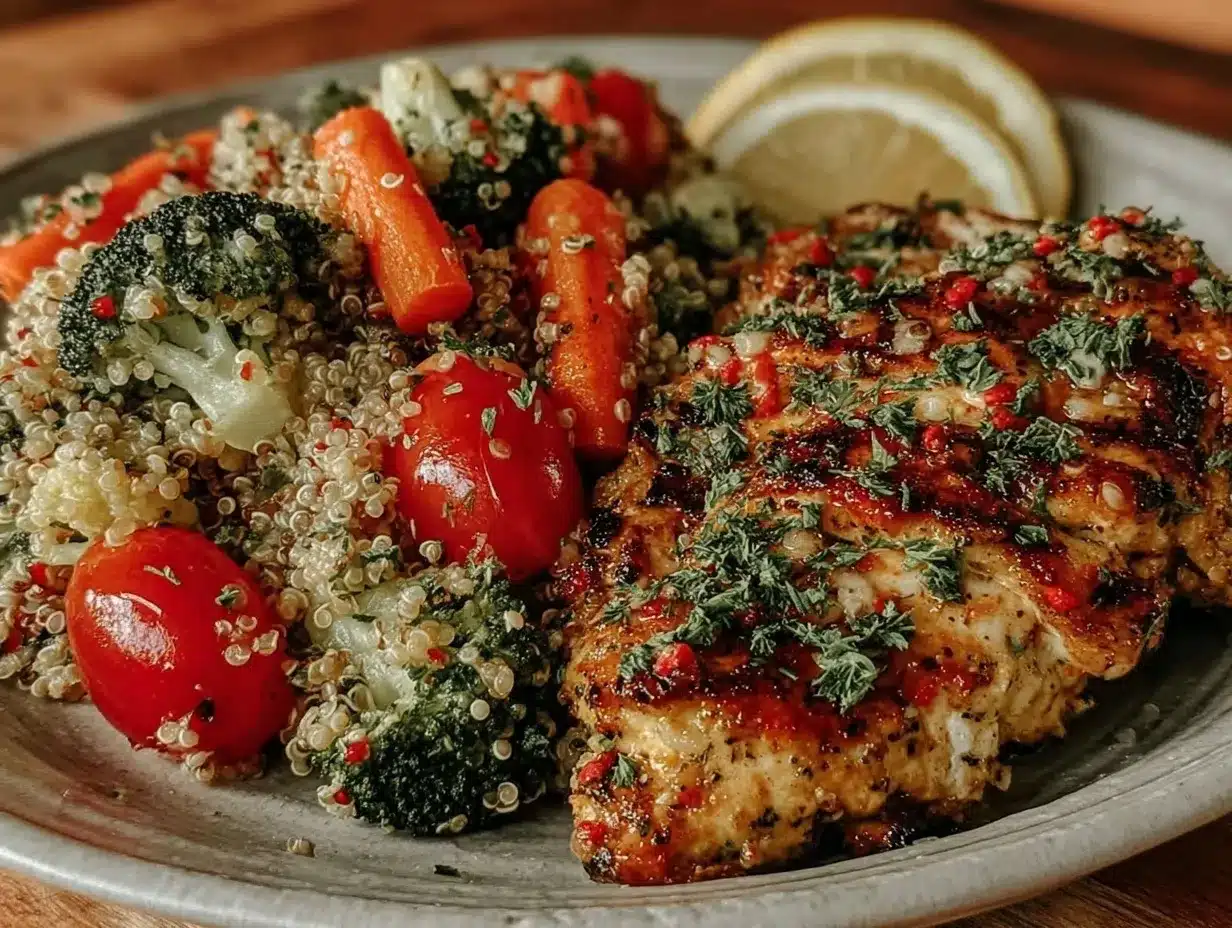
- Prep Grains: Cook 2 cups (370g) quinoa or brown rice in a medium saucepan with 4 cups (960ml) water. Bring to boil, reduce heat, cover, and simmer for 15-20 minutes until water is absorbed. Fluff with fork and cool.
- Prepare Proteins: Season 1 lb (450g) skinless chicken breast with salt, pepper, and garlic powder. Sear in a non-stick skillet over medium heat with 1 tbsp (15ml) olive oil, cooking 6-7 minutes per side until internal temperature hits 165°F (74°C). Rest before slicing.
- Chop Veggies: Dice 2 cups (300g) cherry tomatoes, slice 2 medium zucchinis, and roughly chop 4 cups (120g) fresh spinach. Keep veggies in separate containers for easy access.
- Make Dressings: Whisk together 3 tbsp (45ml) olive oil, juice of 1 lemon, 1 minced garlic clove, and a pinch of salt and pepper. Store in a jar for salads or roasted veggies.
- Assemble Breakfast: Mix ½ cup (45g) steel-cut oats with 1 cup (240ml) water, cook for 10-15 minutes until creamy. Stir in ¼ cup (60g) Greek yogurt, a handful of berries, and a sprinkle of cinnamon.
- Snack Prep: Portion out raw almonds (about ¼ cup or 30g) into small containers for easy grab-and-go options.
- Monitor Portions: Use measuring cups and a kitchen scale to verify serving sizes. Keeping carbs consistent throughout the day helps maintain balanced blood sugar.
During prep, watch for the aroma of garlic and lemon in dressings — that’s your cue they’re balanced and fresh. If the chicken feels dry, try marinating it in yogurt and herbs next time for more moisture. And if grains seem mushy, reduce cooking time slightly or rinse before cooking to remove excess starch.
Cooking Tips & Techniques
One of the trickiest parts of managing gestational diabetes is timing meals to avoid blood sugar spikes, so here are a few things I learned the hard way:
- Don’t Skip Breakfast: Starting with protein and fiber slows sugar absorption. My morning steel-cut oats with Greek yogurt became my favorite steady starter.
- Portion Control Matters: Even healthy carbs can cause spikes if portions are too big. I keep a kitchen scale handy and measure out servings — it’s a little tedious but worth it.
- Cook Vegetables Properly: Overcooked veggies lose crunch and some nutrients. I sauté spinach just until it wilts and roast cherry tomatoes until they’re bursting but not mushy.
- Balance Every Plate: Aim for a mix of protein, healthy fat, and fiber with each meal. For example, chicken with quinoa and a drizzle of olive oil dressing hits all the right notes.
- Hydrate with Purpose: Sometimes thirst disguises as hunger. Drinking plenty of water helps manage cravings and supports digestion.
One mistake I made early on was relying too much on fruit juices or sweetened yogurts — even “healthy” versions can tip blood glucose. Stick with whole fruits and plain yogurt — you’ll thank yourself later. Also, multitasking helps; while grains simmer, chop veggies or prep dressings to keep things moving efficiently.
Variations & Adaptations
Everyone’s pregnancy journey is unique, so here are some ways to tailor this meal plan to your needs or preferences:
- Vegetarian Version: Swap chicken for plant-based proteins like lentils or tempeh. Chickpeas roasted with spices make a great snack or salad topper.
- Seasonal Swaps: In summer, replace roasted cherry tomatoes with fresh cucumbers and bell peppers. Winter calls for hearty roasted root vegetables like carrots and parsnips.
- Low-Carb Option: Substitute quinoa with cauliflower rice or spiralized zucchini noodles for fewer carbs without losing volume.
- Dairy-Free: Use coconut or almond yogurt in place of Greek yogurt. Olive oil-based dressings add richness without dairy.
- Flavor Boost: Add fresh herbs like basil or dill, or a sprinkle of toasted pine nuts, similar to the ones you’d find in a burrata tomato basil penne, for extra texture and taste.
I personally tried adding a dash of smoked paprika to the chicken marinade once — it gave a surprising depth that made the meal feel special without fuss. Feel free to experiment and find what keeps you excited about your meals.
Serving & Storage Suggestions
Meals taste best when served fresh and at the right temperature. For instance, quinoa and chicken are great warm, while salads with spinach and cherry tomatoes shine just chilled or at room temperature.
Pair your meals with a glass of water infused with lemon or cucumber for a refreshing touch. For a light dessert, a small bowl of berries with a dollop of yogurt hits the spot without adding sugar overload.
To store, keep cooked grains and proteins in airtight containers in the fridge for up to 4 days. Pre-chopped veggies last about 2-3 days before losing crispness, so prep them midweek if needed. For longer storage, freeze portions of cooked chicken or quinoa in meal-sized bags — thaw overnight in the fridge and reheat gently.
Reheating on the stove or in a microwave works well; just be careful not to overcook, which can dry out proteins. Flavors often deepen after a day or two in the fridge, making leftovers surprisingly tasty.
Nutritional Information & Benefits
This meal plan balances macronutrients to support steady blood sugar levels, vital for managing gestational diabetes. Each meal offers:
- Moderate carbohydrates from whole grains and vegetables, providing sustained energy
- Lean proteins to support muscle health and fetal development
- Healthy fats from olive oil, avocado, and nuts aiding nutrient absorption and satiety
- High fiber content from veggies and legumes, which slows glucose absorption and promotes digestion
Per serving, expect roughly 350-450 calories, 30-40 grams of carbohydrate, 20-25 grams of protein, and 10-15 grams of fat. This plan is naturally gluten-free if you choose appropriate grains, and dairy can be swapped for alternatives to accommodate lactose intolerance. Overall, it supports balanced nutrition without excess sugars or processed ingredients — a real win for both mother and baby.
Conclusion
This Healthy Gestational Diabetes Meal Plan Weekly for Balanced Nutrition isn’t just a list of meals — it’s a companion during a challenging but exciting chapter. It respects your body’s needs without sacrificing flavor or variety, helping you feel steady and nourished day after day.
Feel free to adjust portion sizes, swap ingredients, and add your favorite fresh herbs to keep things interesting. I love how this plan helped me regain a sense of control and comfort, especially when unexpected cravings hit.
If you try it, I’d love to hear how you make it your own. Sharing your tweaks or favorite dishes is part of what turns a meal plan into a living, breathing part of life. Here’s to balanced plates and happy, healthy pregnancies.
FAQs
- Can this meal plan help prevent gestational diabetes? While this plan supports balanced blood sugar, it’s designed for managing gestational diabetes rather than preventing it. Always consult your healthcare provider for personalized advice.
- Is it okay to eat fruit on this meal plan? Yes! Low glycemic fruits like berries and green apples are included in moderation to provide vitamins without causing spikes.
- Can I freeze meals prepared from this plan? Absolutely. Cooked grains and proteins freeze well for up to 1 month; just thaw in the refrigerator before reheating.
- What if I don’t like chicken? You can substitute with other lean proteins such as fish, turkey, or plant-based options like lentils and chickpeas.
- How often should I eat snacks on this plan? Snacking between meals with nuts or yogurt helps maintain steady blood sugar. Aim for 2-3 small snacks daily, depending on your hunger and doctor’s guidance.
Pin This Recipe!
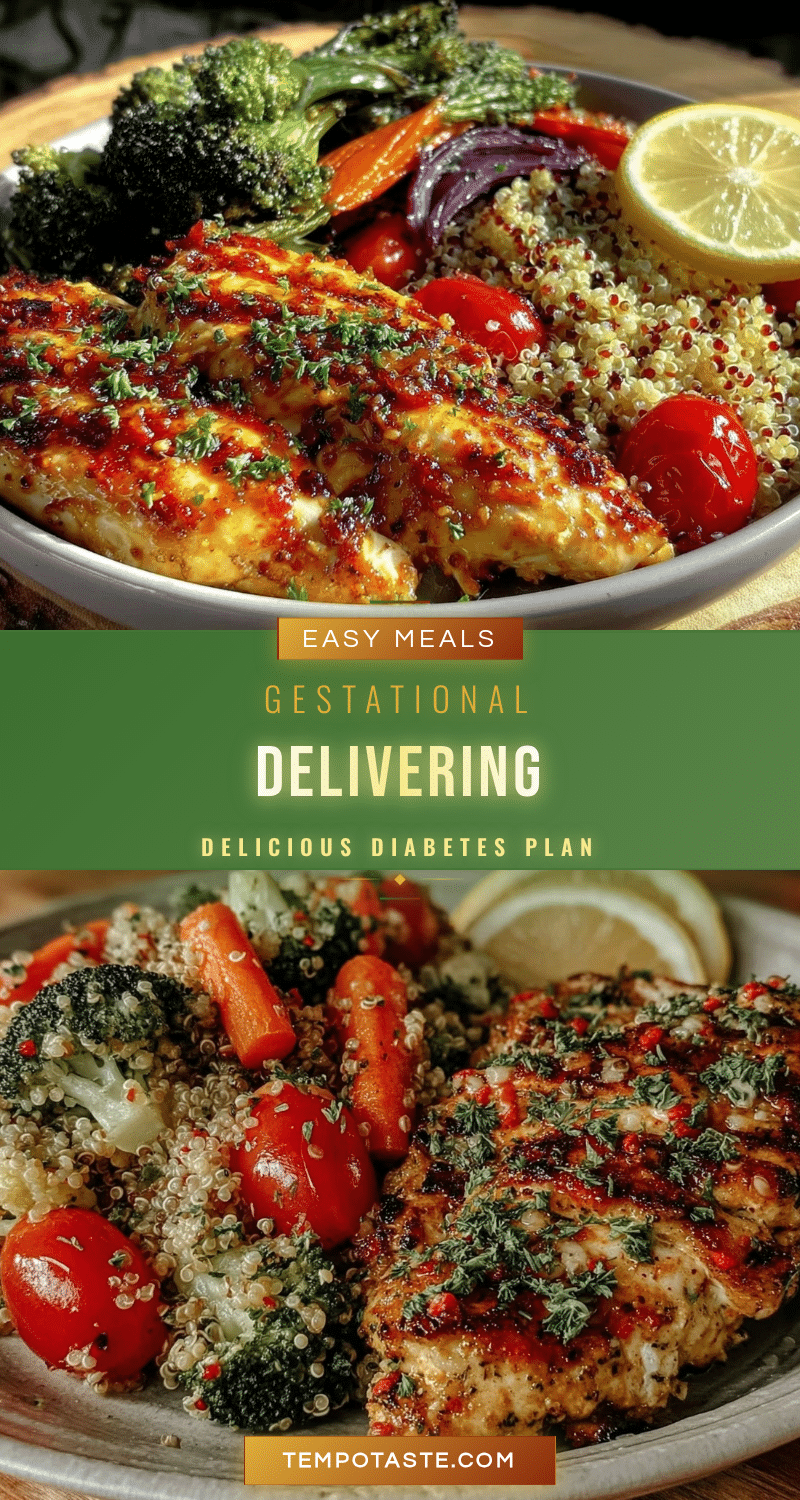
Healthy Gestational Diabetes Meal Plan Weekly Guide for Balanced Nutrition

A thoughtfully designed weekly meal plan to manage gestational diabetes by balancing blood sugar with wholesome, flavorful meals that are quick and easy to prepare.
- Prep Time: 20 minutes
- Cook Time: 25 minutes
- Total Time: 45 minutes
- Yield: 4 servings
- Category: Main Course
- Cuisine: American
Ingredients
- Skinless chicken breast (lean and versatile)
- Canned chickpeas (great plant-based option)
- Eggs (large, free-range if possible)
- Low-fat Greek yogurt (adds creaminess and probiotics)
- Quinoa (rich in protein and fiber)
- Steel-cut oats (slow-digesting carbs)
- Whole wheat bread (look for minimal ingredients)
- Brown rice (nutty and filling)
- Fresh spinach (mild flavor, nutrient-dense)
- Cherry tomatoes (sweet burst, perfect raw or roasted)
- Zucchini (great for spiralizing or sautéing)
- Carrots (for crunch and natural sweetness)
- Berries (blueberries or strawberries, low glycemic index)
- Green apples (crisp and tart)
- Avocados (healthy fats that slow carb absorption)
- Extra virgin olive oil (for cooking and dressings)
- Raw almonds (snack or salad topper)
- Chia seeds (fiber-packed addition to yogurt or smoothies)
- Fresh garlic (aromatic and healing)
- Lemon juice (brightens dishes)
- Fresh basil or parsley (adds freshness)
- Ground cinnamon (helps regulate blood sugar)
Instructions
- Plan Your Week: Set aside about 20 minutes on Sunday to map out meals. Write down breakfast, lunch, dinner, and snacks with portion sizes.
- Prep Grains: Cook 2 cups (370g) quinoa or brown rice in a medium saucepan with 4 cups (960ml) water. Bring to boil, reduce heat, cover, and simmer for 15-20 minutes until water is absorbed. Fluff with fork and cool.
- Prepare Proteins: Season 1 lb (450g) skinless chicken breast with salt, pepper, and garlic powder. Sear in a non-stick skillet over medium heat with 1 tbsp (15ml) olive oil, cooking 6-7 minutes per side until internal temperature hits 165°F (74°C). Rest before slicing.
- Chop Veggies: Dice 2 cups (300g) cherry tomatoes, slice 2 medium zucchinis, and roughly chop 4 cups (120g) fresh spinach. Keep veggies in separate containers for easy access.
- Make Dressings: Whisk together 3 tbsp (45ml) olive oil, juice of 1 lemon, 1 minced garlic clove, and a pinch of salt and pepper. Store in a jar for salads or roasted veggies.
- Assemble Breakfast: Mix ½ cup (45g) steel-cut oats with 1 cup (240ml) water, cook for 10-15 minutes until creamy. Stir in ¼ cup (60g) Greek yogurt, a handful of berries, and a sprinkle of cinnamon.
- Snack Prep: Portion out raw almonds (about ¼ cup or 30g) into small containers for easy grab-and-go options.
- Monitor Portions: Use measuring cups and a kitchen scale to verify serving sizes. Keeping carbs consistent throughout the day helps maintain balanced blood sugar.
Notes
Marinate chicken in yogurt and herbs for more moisture if desired. Rinse grains before cooking to reduce starch and avoid mushiness. Keep knives sharp for faster prep. Portion control is key to managing blood sugar. Avoid sweetened yogurts and fruit juices. Meals can be stored in airtight containers in the fridge for up to 4 days or frozen for up to 1 month.
Nutrition
- Serving Size: One serving equals a
- Calories: 400
- Sugar: 6
- Sodium: 350
- Fat: 12
- Saturated Fat: 2
- Carbohydrates: 35
- Fiber: 7
- Protein: 22
Keywords: gestational diabetes, healthy meal plan, balanced nutrition, blood sugar control, pregnancy diet, low glycemic, quick meals, diabetes-friendly