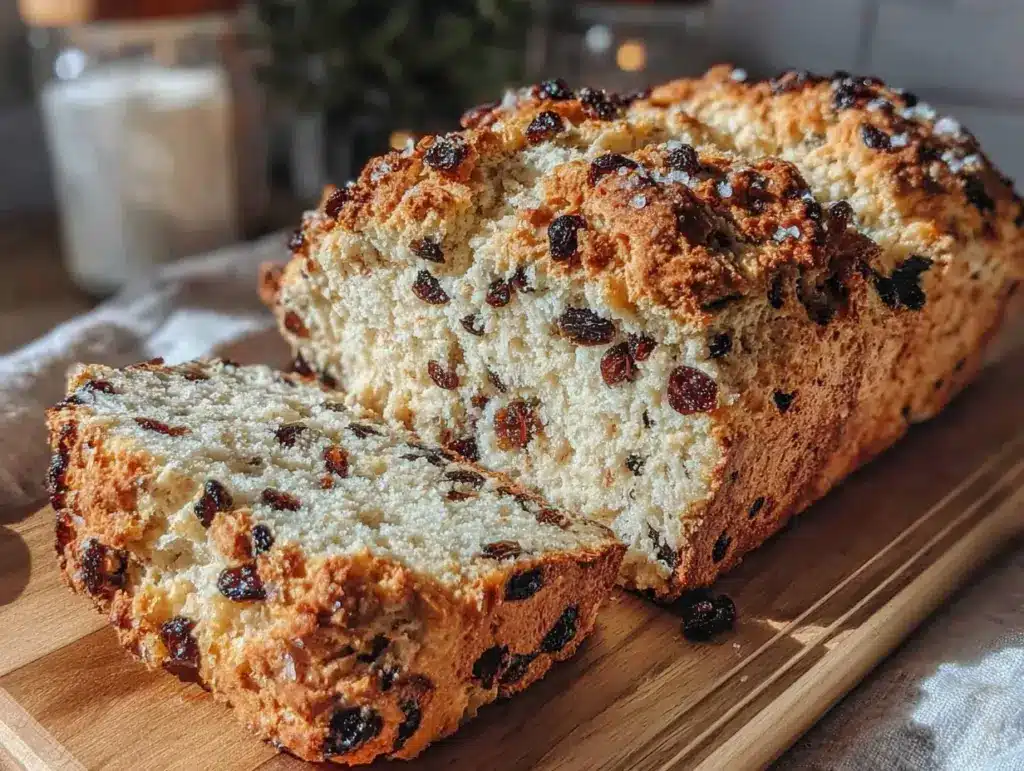
“You’re really making soda bread with orange zest and raisins?” my friend asked, eyebrows raised as I pulled the warm loaf from the oven. Honestly, I wasn’t sure if it would work either. I’d been fiddling with soda bread recipes for weeks, trying to find that cozy, soul-soothing loaf that felt like a gentle hug on a chilly day. One afternoon, with a cup of tea in hand and a stubborn craving for something both rustic and a little bright, I threw in some orange zest alongside the usual raisins.
The kitchen smelled like a soft Irish morning mixed with a hint of citrus orchard — unexpected but oddly comforting. I wasn’t aiming for a perfect, Instagram-ready loaf; I just wanted that texture that’s tender but still hearty enough to hold a slather of butter. And you know what? It worked in the best way possible.
That first slice, still warm and just slightly crumbly, had me closing my eyes and savoring the subtle tang of the orange zest playing against the sweet raisins. It wasn’t fancy, but it carried a quiet kind of magic that made me want to bake it again and again during the cooler months. This cozy Irish soda bread loaf with raisins and orange zest isn’t just another bread recipe — it’s the kind that anchors you, that softens any hectic day, and that feels just right with a hot cup of tea or a simple bowl of soup.
It’s stuck with me because it’s honest and easy, with just enough twist to make it a little special. And that’s why I’m sharing it here — no fuss, no frills, just a loaf that feels like home.
Why You’ll Love This Irish Soda Bread Loaf Recipe
After testing countless versions, this Irish soda bread loaf with raisins and orange zest has become my go-to for a cozy, no-fuss treat. Here’s why I keep coming back to it:
- Quick & Easy: You can mix and bake this loaf in under 45 minutes — ideal for those moments when you want fresh bread but don’t have hours to spare.
- Simple Ingredients: No exotic shopping required. Pantry staples like flour, baking soda, and buttermilk combine with raisins and fresh orange zest for zing without complexity.
- Perfect for Cozy Occasions: Whether it’s a lazy weekend morning or a quiet evening, this bread pairs beautifully with tea, soup, or even a smear of cream cheese.
- Crowd-Pleaser: Friends and family often ask for the recipe — it’s got that comforting Irish charm with a citrusy surprise that’s hard to resist.
- Unbelievably Delicious: The tender crumb, dotted with sweet raisins and bright orange notes, makes every bite feel like a warm hug.
What sets this recipe apart is the subtle balance of flavors and the effortless texture. The orange zest isn’t overpowering; it quietly lifts the bread’s flavor, making it feel fresh and inviting. Plus, the baking soda method means no yeast waiting around — just mix, shape, and bake. It’s the kind of recipe that feels like a little bit of magic you can pull off without breaking a sweat.
Honestly, it’s become part of my comfort food repertoire, right alongside treats like my moist lemon poppy seed bread, which shares that same bright, cozy vibe.
What Ingredients You Will Need
This Irish soda bread loaf with raisins and orange zest uses straightforward, wholesome ingredients that come together to create bold flavor and satisfying texture without any fuss.
- All-purpose flour (4 cups / 480g) — The base for our loaf; I prefer a trusted brand like King Arthur for consistent texture.
- Baking soda (1 teaspoon) — The leavening agent that gives soda bread its signature rise.
- Salt (½ teaspoon) — Balances the sweetness and boosts flavor.
- Granulated sugar (2 tablespoons) — Just enough to complement the raisins and orange zest without overpowering.
- Raisins (¾ cup / 110g) — Adds pockets of sweet, chewy texture; Thompson seedless raisins work beautifully.
- Orange zest (zest of 1 medium orange) — Freshly grated for bright, citrus aroma that lifts the whole loaf.
- Buttermilk (1¾ cups / 420ml) — Provides moisture and a slight tang; if you don’t have buttermilk, mix 1¾ cups milk with 1 tablespoon lemon juice or vinegar and let sit 5 minutes.
- Unsalted butter (3 tablespoons / 45g), melted — Adds richness and tenderness.
Substitutions:
- Use almond flour (substituting about 1 cup) for a partial gluten-free version, but expect a more crumbly texture.
- Swap raisins for currants or dried cranberries for a different fruity note.
- If you prefer dairy-free, use a plant-based milk mixed with lemon juice to mimic buttermilk.
These simple ingredients keep this Irish soda bread loaf accessible and adaptable, whether you’re baking in the middle of winter or during a spontaneous craving.
Equipment Needed
- Mixing bowl: A large one to comfortably combine dry and wet ingredients.
- Measuring cups and spoons: Precise measurements make a difference in soda bread, so I always recommend using good-quality tools.
- Wooden spoon or sturdy spatula: For mixing the sticky dough without overworking it.
- Baking sheet or oven-safe cast iron skillet: Either works well; cast iron gives a lovely crust if you have one.
- Sharp knife or bread lame: To score the cross on top — an old but trusty trick that helps the bread bake evenly.
- Cooling rack: Essential for letting the bread cool without sogginess.
Don’t worry if you don’t have a cast iron skillet; a regular baking sheet lined with parchment works just fine. I’ve made this loaf in everything from glass pie dishes to simple cookie sheets with excellent results. Just keep an eye on the crust color toward the end.
Preparation Method
- Preheat your oven to 425°F (220°C). This high heat jumpstarts the crust development. Line your baking sheet with parchment if not using cast iron.
- In a large mixing bowl, whisk together the flour, baking soda, salt, and sugar. Make sure the baking soda is evenly distributed — it’s the key to that classic soda bread rise.
- Stir in the raisins and orange zest. Tossing them in the dry mix first helps prevent them from sinking to the bottom during baking.
- Add the buttermilk and melted butter to the dry ingredients. Use a wooden spoon to mix gently until just combined. The dough should be soft but not overly sticky — if it feels too wet, sprinkle in a little more flour (one tablespoon at a time).
- Turn the dough out onto a lightly floured surface. Shape it quickly into a round loaf about 7 inches (18 cm) in diameter. Avoid over-kneading; a few folds to bring it together is enough.
- Place the loaf on the prepared baking sheet or skillet. Using a sharp knife, score a deep cross about 1/2 inch (1.25 cm) deep on top. This isn’t just tradition — it helps the bread bake evenly and gives it that iconic look.
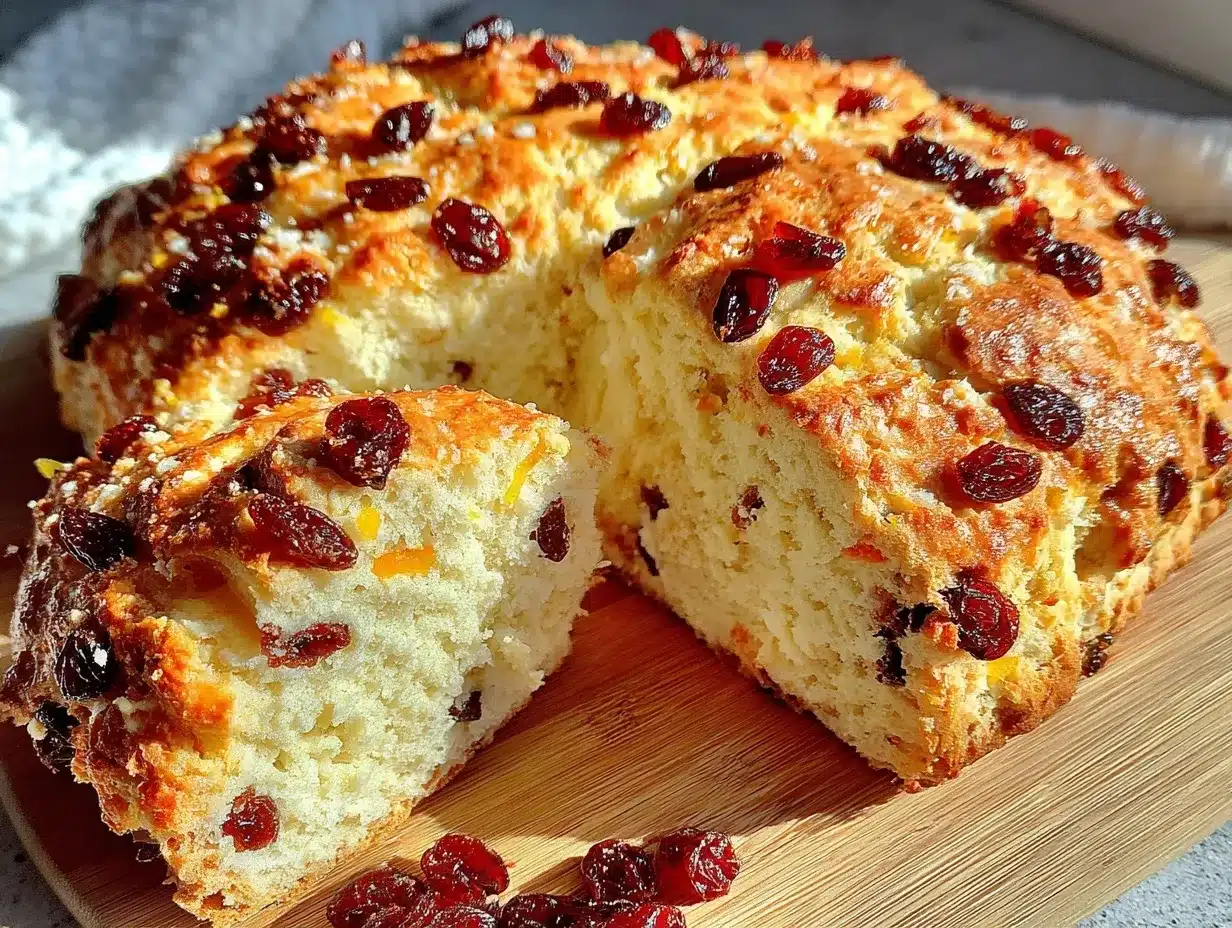
- Bake for 30-35 minutes. The bread should be golden brown with a firm crust. To check doneness, tap the bottom — it should sound hollow.
- Remove from oven and cool on a wire rack for at least 20 minutes before slicing. This resting time helps the crumb set and makes cutting easier.
Pro tip: If you want extra crustiness, bake the loaf on the lowest rack and add a small oven-safe dish with water on the bottom rack during the first 10 minutes to create steam.
Cooking Tips & Techniques
Irish soda bread is wonderfully forgiving, but a few tricks make it even better:
- Don’t overmix: The dough should come together but still look a bit rough. Overworking activates gluten and can make the bread tough.
- Fresh baking soda is crucial: Old baking soda loses power, so test it by dropping a pinch in vinegar — it should fizz immediately.
- Use fresh orange zest: The oils in the zest provide a bright aroma that dried zest just can’t match. I like to zest the orange just before mixing.
- Mix raisins into the dry ingredients: This prevents them from sinking, giving you an even distribution of those sweet bursts.
- Score deeply: The cross on top is traditional and functional. I’ve learned that if the cut is too shallow, the loaf can bake unevenly or crack unpredictably.
- Let the bread cool before slicing: It’s tempting to cut right away, but a cool loaf slices cleaner and has better texture.
When I first tried this recipe, I didn’t score the bread deeply enough, and it cracked on one side in a way that looked rustic but was less uniform. Now, I make sure to cut a solid cross, and it bakes like a charm every time. Also, I multitask by prepping a hot pot of tea while the bread cools — perfect timing!
Variations & Adaptations
This Irish soda bread loaf is a great canvas for tweaks and personal touches:
- Nutty Upgrade: Add ½ cup chopped walnuts or pecans for extra crunch and depth.
- Seasonal Twist: Swap orange zest for lemon zest in spring or add dried cranberries and a pinch of cinnamon for festive fall vibes.
- Gluten-Free Version: Use a gluten-free all-purpose flour blend designed for baking and add 1 teaspoon xanthan gum if not included.
- Vegan Adaptation: Replace buttermilk with unsweetened plant milk plus 1 tablespoon vinegar, and use coconut oil instead of butter.
- Cheese & Herb Variation: For a savory spin, omit the sugar and raisins; add ½ cup grated cheddar and 2 tablespoons chopped fresh chives.
One personal favorite is the nutty upgrade paired with a smear of sharp Irish cheddar — it brings a lovely balance to the sweet and tangy notes. If you want to try a fresh spin on a classic, this loaf pairs beautifully with the bright, herbaceous notes in my fresh shaved fennel and orange salad.
Serving & Storage Suggestions
This Irish soda bread loaf is best enjoyed warm or at room temperature. Here’s how I serve and store it for maximum enjoyment:
- Serving: Slice thickly and slather with salted butter or cream cheese. It’s also fantastic toasted alongside soups like hearty Irish stew or a simple vegetable broth.
- Pairings: A hot cup of tea (try pairing it with my creamy homemade Thai iced tea for a fun twist) or a mild cheese board complements the bread’s gentle citrus and sweet notes.
- Storage: Keep leftover bread wrapped in a clean kitchen towel or in an airtight container at room temperature for up to 2 days.
- Freezing: Wrap slices individually in plastic wrap and place in a freezer bag for up to 3 months. Thaw at room temperature or toast directly from frozen.
- Reheating: Toast or warm in a 350°F (175°C) oven for 5-7 minutes to refresh the crust and soften the crumb.
The flavors mellow and meld beautifully if you let the loaf sit wrapped overnight. It’s one of those breads that feels like it gets a little better with time — perfect for breakfast or a cozy snack later in the day.
Nutritional Information & Benefits
This Irish soda bread loaf balances comfort with modest nutrition. Here’s a rough estimate per slice (1/10th of loaf):
| Calories | 180 |
|---|---|
| Carbohydrates | 35g |
| Protein | 4g |
| Fat | 3.5g |
| Fiber | 2g |
| Sugar | 6g (from raisins and sugar) |
Key benefits include:
- Buttermilk: Adds calcium and probiotics, supporting digestion.
- Raisins: Natural sweetness plus iron and antioxidants.
- Orange zest: Provides vitamin C and essential oils that support immunity.
This loaf is naturally low in fat and can be adapted for gluten-free or vegan diets, making it a flexible option for different wellness goals. It’s a reminder that comfort food doesn’t have to be overly indulgent — it can be wholesome and satisfying too.
Conclusion
This cozy Irish soda bread loaf with raisins and orange zest has quietly become one of my favorite ways to bring a little warmth and brightness to the kitchen. It’s simple enough to whip up on a whim, yet special enough to share with friends and family. The balance of sweet and citrusy notes nestled in a tender crumb is just the kind of comfort I come back to when I want something honest and satisfying.
Feel free to make this recipe your own — swap fruits, add nuts, or try it savory. I’d love to hear how you put your personal spin on it. Your kitchen deserves this little moment of cozy simplicity.
And if you’re in the mood for a refreshing finish, pairing it with a velvety dessert like the creamy lemon posset with raspberry coulis is a delightful way to round out a meal.
Happy baking and savor every slice!
FAQs About Irish Soda Bread Loaf with Raisins and Orange Zest
Can I use regular milk instead of buttermilk?
You can, but it’s best to add 1 tablespoon of lemon juice or vinegar to 1¾ cups of milk and let it sit for 5 minutes to mimic buttermilk’s acidity, which reacts with baking soda for the rise.
How do I know when the soda bread is fully baked?
It should be golden brown with a firm crust. Tap the bottom of the loaf — it should sound hollow. If it sounds dense, bake for a few more minutes.
Can I freeze this soda bread?
Yes! Wrap slices individually in plastic wrap and store in a freezer bag for up to 3 months. Toast or thaw at room temperature before serving.
What’s the purpose of scoring the cross on top?
Scoring helps the bread bake evenly and allows steam to escape. It’s also a traditional Irish symbol marking the loaf.
Can I omit the raisins or orange zest?
Absolutely! Omitting raisins makes it less sweet, and skipping orange zest gives a more classic soda bread flavor. You can also try other dried fruits or herbs for different tastes.
Pin This Recipe!

Irish Soda Bread Loaf with Raisins and Orange Zest

A cozy, soul-soothing Irish soda bread loaf featuring sweet raisins and bright orange zest, perfect for a quick and comforting treat.
- Prep Time: 10 minutes
- Cook Time: 30-35 minutes
- Total Time: 45 minutes
- Yield: 10 servings 1x
- Category: Bread
- Cuisine: Irish
Ingredients
- 4 cups all-purpose flour (480g)
- 1 teaspoon baking soda
- ½ teaspoon salt
- 2 tablespoons granulated sugar
- ¾ cup raisins (110g)
- Zest of 1 medium orange
- 1¾ cups buttermilk (420ml) or 1¾ cups milk + 1 tablespoon lemon juice/vinegar (let sit 5 minutes)
- 3 tablespoons unsalted butter, melted (45g)
Instructions
- Preheat your oven to 425°F (220°C). Line a baking sheet with parchment if not using cast iron.
- In a large mixing bowl, whisk together the flour, baking soda, salt, and sugar.
- Stir in the raisins and orange zest.
- Add the buttermilk and melted butter to the dry ingredients. Mix gently with a wooden spoon until just combined. If dough is too wet, sprinkle in a little more flour, one tablespoon at a time.
- Turn the dough out onto a lightly floured surface and shape into a round loaf about 7 inches (18 cm) in diameter. Avoid over-kneading.
- Place the loaf on the prepared baking sheet or skillet. Score a deep cross about ½ inch (1.25 cm) deep on top with a sharp knife.
- Bake for 30-35 minutes until golden brown with a firm crust. Tap the bottom; it should sound hollow.
- Remove from oven and cool on a wire rack for at least 20 minutes before slicing.
Notes
Do not overmix the dough to avoid toughness. Use fresh baking soda for best rise. Score the loaf deeply to ensure even baking. Let the bread cool before slicing for better texture. For extra crustiness, bake on the lowest rack with a small oven-safe dish of water for the first 10 minutes to create steam.
Nutrition
- Serving Size: 1 slice (1/10th of l
- Calories: 180
- Sugar: 6
- Fat: 3.5
- Carbohydrates: 35
- Fiber: 2
- Protein: 4
Keywords: Irish soda bread, soda bread loaf, raisin bread, orange zest bread, quick bread, no yeast bread, cozy bread, easy bread recipe