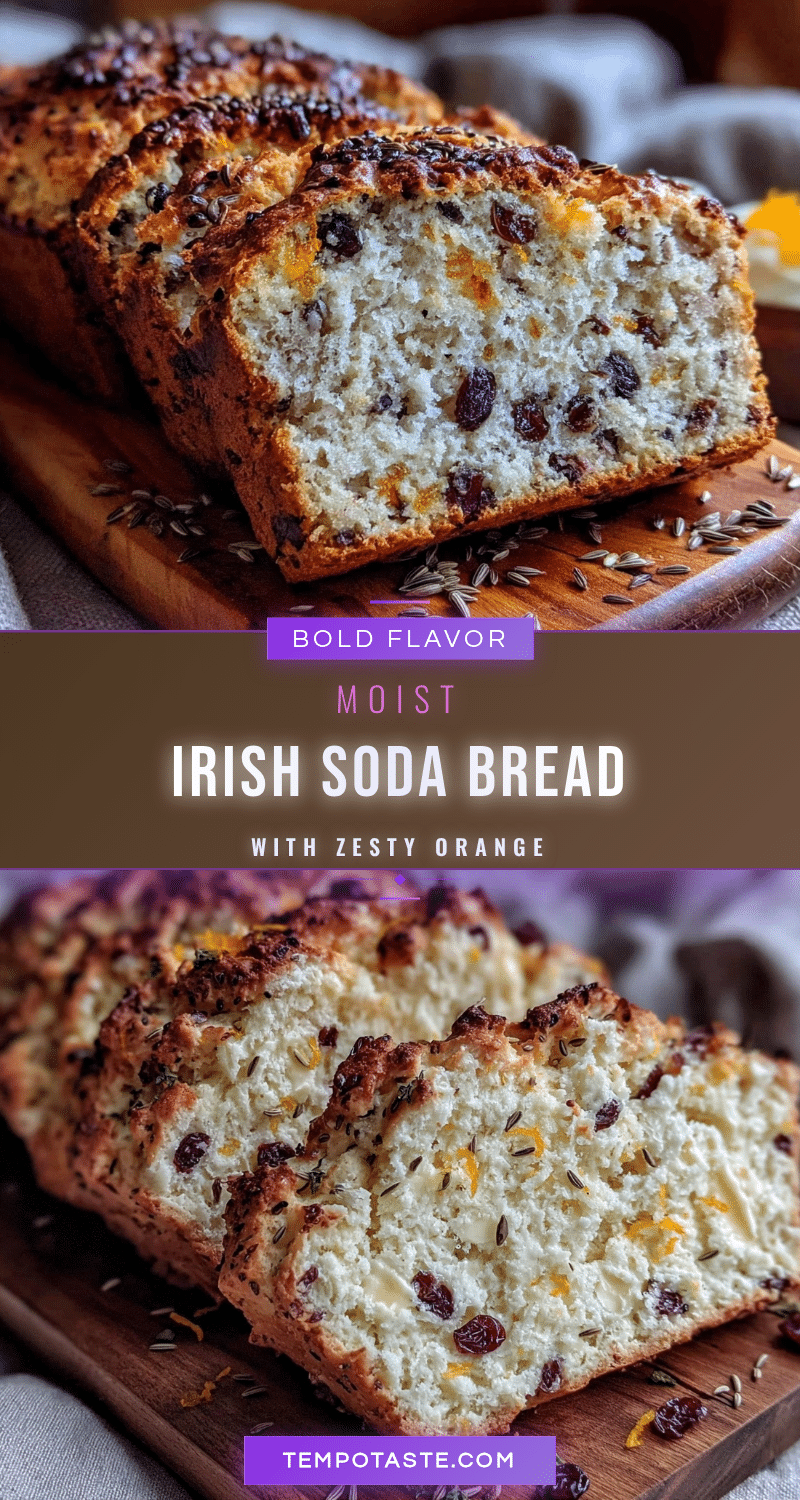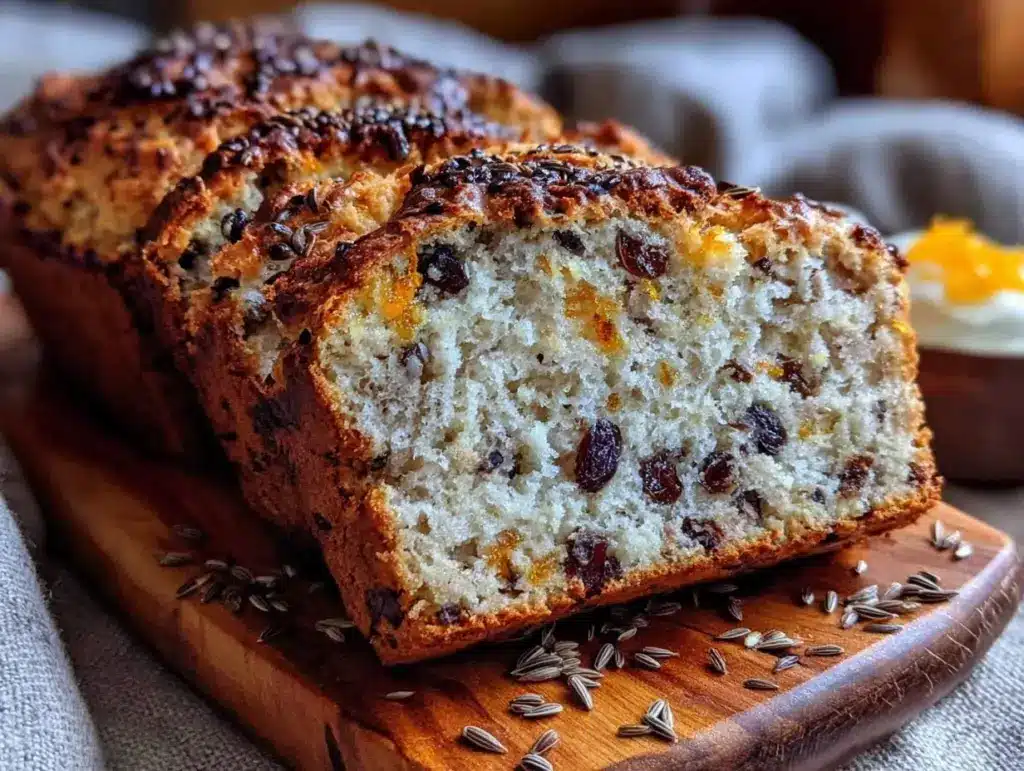
“You have to try this bread,” my neighbor called over one chilly afternoon, holding out a warm, rustic loaf wrapped in a tea towel. I was skeptical—Irish soda bread always sounded a bit plain to me. But the moment I broke into that loaf, the scent of sweet raisins mingled with bright orange zest filled the kitchen, and honestly, I was hooked. It wasn’t what I expected at all. This cozy Irish soda bread loaf with raisins and orange zest has since become my go-to for those quieter mornings when the world feels a little slower, and a warm slice with butter is all the comfort I need.
It’s funny because the recipe came about almost by accident. I had planned a simple soda bread, but when I found a forgotten bag of raisins and a lone orange on the counter, I thought—why not? The combination turned out surprisingly delightful, adding just the right touch of sweetness and zing. Since then, I’ve baked it so many times that my kitchen smells like a little Irish bakery on foggy mornings.
There’s something soothing about the crackly crust and tender crumb that reminds me of cozy afternoons spent curled up with a good book or sharing stories over a cup of tea. It’s a simple loaf, no fuss, but the raisins and orange zest make it feel special—like a warm hug wrapped in dough. I find myself reaching for this recipe whenever I want that sense of calm, a little rustic joy, and a taste that lingers without being overpowering.
This isn’t just bread; it’s a quiet promise of comfort and tradition, with a twist that’s all my own.
Why You’ll Love This Irish Soda Bread Loaf Recipe
Having baked and tweaked this Irish soda bread loaf recipe more times than I can count, I’m confident it’s one worth keeping in your culinary rotation. Here’s why it stands out:
- Quick & Easy: Ready in under 45 minutes, this loaf is perfect for those mornings when you crave homemade goodness without hours of prep.
- Simple Ingredients: No need for exotic items—just pantry staples plus raisins and a fresh orange zest for that special touch.
- Perfect for Cozy Occasions: Whether it’s a lazy weekend breakfast or an afternoon tea moment, this bread fits right in.
- Crowd-Pleaser: Friends and family always ask for the recipe, and kids love the sweet bursts of raisins.
- Unbelievably Delicious: The texture strikes that perfect balance—crusty on the outside, tender and moist inside, with bright citrus notes.
What really makes this recipe different is the subtle interplay between the traditional Irish soda bread elements and the lively orange zest stirred into the dough. It’s not just a loaf; it’s a little celebration of flavors that feels both nostalgic and fresh. Also, using buttermilk helps the bread rise beautifully without yeast, lending it a tender crumb and that signature tang.
This recipe is the kind that makes you pause and savor the moment with every bite—comfort food that’s wholesome and a little bit special. If you enjoy recipes that feel both timeless and personal, this loaf will fit right into your kitchen stories.
What Ingredients You Will Need
This Irish soda bread loaf recipe uses simple, wholesome ingredients to deliver bold flavor and satisfying texture without the fuss. Most are pantry staples, and the raisins and fresh orange zest bring a lovely seasonal brightness.
- All-purpose flour (3 cups / 375 grams) – Look for a good quality brand like King Arthur for best texture.
- Baking soda (1 teaspoon) – The leavening powerhouse in soda bread.
- Baking powder (1 teaspoon) – Helps give a light rise alongside the baking soda.
- Salt (1 teaspoon) – Balances sweetness and enhances flavor.
- Granulated sugar (2 tablespoons) – Just enough to complement the raisins and orange zest.
- Unsalted butter (4 tablespoons / 60 grams, cold and diced) – Adds richness and a tender crumb.
- Buttermilk (1 3/4 cups / 420 ml) – The classic acid that reacts with baking soda for rise; you can substitute with milk + lemon juice if needed.
- Large egg (1, room temperature) – Binds and enriches the dough.
- Raisins (3/4 cup / 110 grams) – Choose plump, dark raisins for sweet bursts in every slice.
- Orange zest (zest of 1 medium orange) – Freshly grated zest is key for that vibrant citrus aroma.
- Optional: Caraway seeds (1 tablespoon) – If you want a traditional touch with a subtle anise flavor.
If you want to make this gluten-free, swapping the all-purpose flour for a gluten-free blend works well, but keep an eye on the texture as you mix. Also, for a dairy-free version, use a plant-based buttermilk alternative like almond milk with a splash of vinegar. I’ve found that using freshly grated orange zest makes a noticeable difference compared to dried zest—the aroma really wakes up the bread!
Equipment Needed
- Large mixing bowl – For combining dry and wet ingredients comfortably.
- Measuring cups and spoons – Precision matters to get the soda bread rise just right.
- Microplane or fine grater – Essential for zesting the orange finely without the bitter pith.
- Wooden spoon or silicone spatula – Great for mixing the dough gently without overworking.
- Baking sheet or cast iron skillet – Either works well; a cast iron skillet gives a nice crust.
- Parchment paper – To prevent sticking and make cleanup easier.
- Sharp knife – To score the top of the loaf, helping it bake evenly and look authentic.
If you don’t have a cast iron, a heavy baking sheet lined with parchment will do just fine. When it comes to zesting, a microplane will give you the best results, but a standard grater works if you watch carefully. Over the years, I learned that mixing the dough by hand with a wooden spoon keeps it from getting tough compared to using a mixer.
Preparation Method

- Preheat the oven. Set your oven to 425°F (220°C). Line your baking sheet with parchment paper or lightly grease your cast iron skillet. This step ensures even baking and a nice crust.
- Combine the dry ingredients. In a large bowl, whisk together 3 cups (375 g) of all-purpose flour, 1 teaspoon baking soda, 1 teaspoon baking powder, 1 teaspoon salt, and 2 tablespoons granulated sugar. This mix forms the base of your loaf’s texture.
- Cut in the butter. Add 4 tablespoons (60 g) of cold, diced unsalted butter to the dry mixture. Use your fingertips or a pastry cutter to rub it in until the mixture resembles coarse crumbs. This step creates a tender crumb in the final bread.
- Mix in raisins and orange zest. Stir in 3/4 cup (110 g) of raisins and the zest of one medium orange until evenly distributed. The zest should smell vibrant and fresh here—if not, zest another orange!
- Whisk wet ingredients. In a separate bowl, beat 1 large egg with 1 3/4 cups (420 ml) of buttermilk until combined.
- Form the dough. Make a well in the center of the dry ingredients and pour in the wet mixture. Gently stir with a wooden spoon until just combined. The dough will be sticky and shaggy—that’s perfect. Avoid overmixing or kneading; it should hold together but not be smooth.
- Shape the loaf. Turn the dough out onto a lightly floured surface. Using floured hands, quickly shape it into a round loaf about 7 inches (18 cm) wide and 3 inches (7.5 cm) tall.
- Score the top. Transfer the loaf to your baking sheet or skillet. Using a sharp knife, cut a deep “X” about 1/2 inch (1.3 cm) deep into the top. This helps the bread bake evenly and is a traditional touch.
- Bake the bread. Place the bread in the preheated oven and bake for 30-35 minutes. The crust should be golden brown and firm to the touch. If you tap the bottom, it should sound hollow.
- Cool completely. Transfer the loaf to a wire rack and let it cool fully before slicing. This resting time lets the crumb set and flavors deepen.
When I first made this, I forgot to score the loaf and noticed the bread cracked unevenly—lesson learned! Also, don’t rush the cooling; cutting too soon makes the bread gummy inside. If you want to speed things up, a gentle toast the next day brings the bread back to life beautifully.
Cooking Tips & Techniques
Irish soda bread is deceptively simple, but a few tips make all the difference:
- Use cold butter. Keeping the butter chilled before cutting it into the flour creates flaky pockets in the bread.
- Don’t overwork the dough. Overmixing develops gluten and makes the bread tough, which defeats the soda bread’s tender nature.
- Fresh baking soda and powder are crucial. Old leavening agents can make the bread dense and flat. Test by adding a pinch to vinegar or warm water to see if it fizzes.
- Buttermilk acidity is key. It reacts with the baking soda, producing the rise. You can substitute with regular milk plus 1 tablespoon lemon juice or vinegar per cup, left to sit for 5 minutes.
- Score the loaf deeply. This helps the bread expand evenly and creates that iconic look.
- Watch the baking time carefully. Depending on your oven, it might need a minute or two more. The hollow sound when tapping the bottom is a reliable doneness test.
I remember my first attempt was a little flat because the baking soda was past its prime. Since then, I keep a small box dedicated to baking soda for breads and cakes only. Also, multitasking is a must—I usually get my tea ready and prep other breakfast items while the bread bakes, making that cozy morning feel complete.
Variations & Adaptations
This Irish soda bread loaf is a wonderful base for creativity. Here are some ways to switch it up:
- Nutty Twist: Add 1/2 cup chopped walnuts or pecans for crunch and a toasty note.
- Berry Burst: Swap raisins for 3/4 cup fresh or frozen blueberries or dried cranberries to brighten the flavor.
- Gluten-Free: Use a gluten-free all-purpose flour blend and adjust the liquid slightly if the dough feels too dry.
- Spiced Version: Stir in 1 teaspoon ground cinnamon and 1/4 teaspoon ground nutmeg for warmth.
- Dairy-Free: Replace buttermilk with coconut milk plus 1 tablespoon apple cider vinegar and use vegan butter or coconut oil.
One variation I tried recently was adding a handful of chopped crystallized ginger along with orange zest—it gave the loaf an unexpectedly delightful spicy-sweet zing. If you’re interested in pairing this bread with something refreshing, this loaf goes quite well with a creamy homemade Thai iced tea, balancing the citrus notes nicely.
Serving & Storage Suggestions
This soda bread loaf is best enjoyed fresh, sliced thick and slathered with butter or your favorite jam. It also pairs beautifully with sharp cheeses or a mild honey drizzle for a simple treat. Serve it warm or at room temperature alongside a cup of tea or coffee for a cozy moment.
If you have leftovers (and you might—though I doubt it!), wrap the bread tightly in plastic wrap or place it in an airtight container. It keeps well at room temperature for 2 days or in the refrigerator for up to a week.
For longer storage, slice the loaf and freeze in a zip-top bag. Toast slices straight from the freezer or let them thaw at room temperature for a soft, fresh taste. Flavors actually mellow and blend more after a day or two, so sometimes I prefer it the next day for that slightly denser crumb.
If you want to impress at a brunch or relaxed gathering, consider serving this alongside a fresh Mediterranean mezze board with creamy homemade hummus—the contrast of flavors makes a delightful combination.
Nutritional Information & Benefits
Estimated per slice (1/10th of loaf):
| Calories | 220 kcal |
|---|---|
| Carbohydrates | 40 g |
| Protein | 5 g |
| Fat | 5 g |
| Fiber | 2 g |
| Sugar | 8 g (from raisins and sugar) |
This Irish soda bread loaf offers a moderate source of carbohydrates for energy and some protein from the egg and flour. Raisins bring antioxidants and natural sweetness, while orange zest adds vitamin C and a boost of flavor without calories.
Since this recipe is free from yeast and made without refined fats, it’s a lighter comfort bread option. If you choose gluten-free flour, it’s suitable for those avoiding gluten. Do note that it contains eggs and dairy (butter and buttermilk), so adjust accordingly for allergies or dietary preferences.
Conclusion
This cozy Irish soda bread loaf with raisins and orange zest has earned a special place in my kitchen and heart. It’s a recipe that’s approachable yet full of character, perfect for those moments when you want a little homemade warmth without fuss. I love how it balances simplicity with bursts of sweet and citrusy flavor—something that feels both traditional and a bit playful.
Feel free to make it your own—add nuts, swap fruits, or tweak the spices to match your mood. I’d love to hear how you personalize it or what you pair it with. Maybe a cup of tea or a fresh salad, like the shaved fennel and orange salad I sometimes serve alongside for a refreshing contrast.
Give this loaf a try when you want a little taste of comfort and tradition that’s ready in a snap. You might just find yourself baking it over and over, like I have.
FAQs About Irish Soda Bread Loaf with Raisins and Orange Zest
Can I make this Irish soda bread without raisins?
Absolutely! You can omit the raisins or replace them with other dried fruits like cranberries or chopped apricots. The bread will still be delicious and slightly less sweet.
What if I don’t have buttermilk?
No worries. Use regular milk with 1 tablespoon of lemon juice or white vinegar added. Let it sit for 5 minutes to curdle before using as a buttermilk substitute.
How do I know when the soda bread is fully baked?
Look for a golden-brown crust and a hollow sound when you tap the bottom of the loaf. The internal temperature should be around 200°F (93°C) if you use a thermometer.
Can I freeze Irish soda bread?
Yes! Slice the bread and freeze in an airtight bag. Toast slices directly from the freezer or thaw at room temperature for a soft texture.
What’s the best way to store leftover bread?
Keep it wrapped tightly at room temperature for up to 2 days or refrigerate for about a week. Avoid leaving it out uncovered, as it can dry out quickly.
Pin This Recipe!