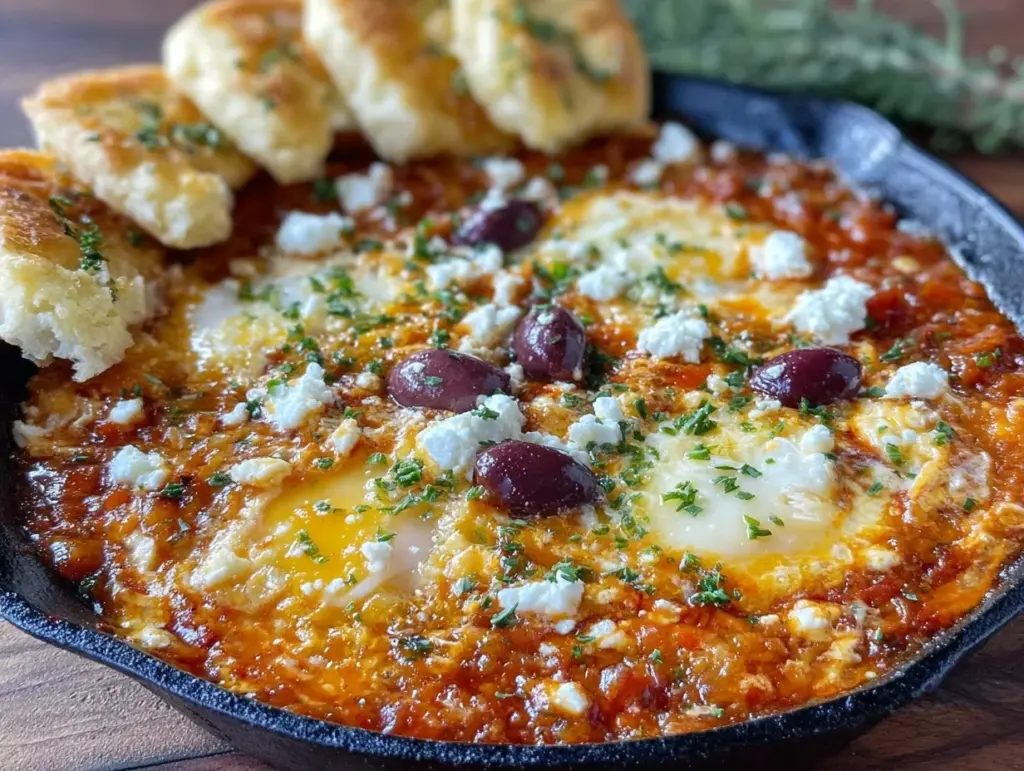
“You’ve got olives and feta in the fridge? Let’s make shakshuka,” my roommate tossed over her shoulder one chilly Sunday morning. Honestly, I was skeptical—eggs poached in tomato sauce with those salty bites? But as the aroma of simmered garlic, smoky paprika, and piquant tomatoes filled our tiny kitchen, I found myself reaching for the crusty bread before the eggs were even done. That first bite was a surprise: the creamy feta melting into the rich sauce, the olives adding that briny pop—comfort nestled in every spoonful.
Shakshuka has since become my go-to when I want something cozy, flavorful, and effortless all at once. The best part? It’s a dish made for dipping—perfect for tearing chunks of bread and scooping up the saucy goodness, especially on slow weekend mornings or when life feels a little hectic and you just need a warm reset. I keep coming back to this recipe because it’s hearty but never heavy, and the feta and olives take it from simple to unforgettable.
What’s stuck with me is how this dish turns an ordinary breakfast into a shared moment—warm, relaxed, and a little indulgent. It’s a quiet kind of comfort that doesn’t shout but invites you to linger a little longer at the table. And honestly, it’s the perfect excuse for extra bread on the side.
Why You’ll Love This Recipe
After testing this shakshuka recipe over and over (yes, multiple times in a week), I can say with confidence it hits the sweet spot between simple and special. Here’s why it might just become a staple in your kitchen:
- Quick & Easy: Ready in under 30 minutes, which means you won’t be stuck in the kitchen all morning.
- Simple Ingredients: No need for complicated shopping trips—just pantry basics like canned tomatoes, eggs, and those tangy feta and olives you already love.
- Perfect for Cozy Mornings: Whether it’s a lazy weekend or a chill weekday breakfast, it’s just the right kind of comfort food.
- Crowd-Pleaser: I’ve served this at brunches and it disappears fast, even among picky eaters.
- Unbelievably Delicious: The feta adds creaminess while the olives bring that perfect salty bite—trust me, it’s a flavor combo you’ll crave.
What sets this shakshuka apart is the balance between the tangy, savory olives and the creamy feta, which cuts through the acidity of the tomato sauce like a charm. Unlike other versions that can feel heavy or one-note, this one feels lively yet comforting. It’s the kind of dish that makes you close your eyes after the first bite, savoring the warmth and the little bursts of briny goodness.
Plus, it’s versatile enough to feel both indulgent and approachable—a dish that can impress guests or simply turn a rushed morning into something memorable. If you’re into easy, satisfying breakfasts like creamy sweet corn chowder or crave the simplicity of a one-pan meal like the crockpot chicken tortellini soup, this shakshuka fits right in.
What Ingredients You Will Need
This recipe uses simple, wholesome ingredients to deliver bold flavor and satisfying texture without the fuss. Most are pantry staples or easy to find at any grocery store. Here’s what you’ll want to gather:
- Olive oil: For sautéing—extra virgin is best for flavor.
- Onion, finely chopped: Adds subtle sweetness and body.
- Garlic cloves, minced: The backbone of the sauce’s aroma.
- Red bell pepper, diced: Brings a mild sweetness and some texture.
- Canned diced tomatoes (14 oz / 400 g): The rich base of the sauce. I prefer San Marzano for their balanced acidity.
- Tomato paste (2 tbsp): Adds depth and thickens the sauce.
- Ground paprika (1 tsp): Smoked paprika works wonders here for warmth.
- Cumin (1 tsp): Earthy undertone that rounds out the flavors.
- Red pepper flakes (optional, ¼ tsp): For a gentle kick, adjust to taste.
- Salt and freshly ground black pepper: To taste, always essential.
- Large eggs (4): The stars of the dish, cooked gently in the sauce.
- Feta cheese (4 oz / 115 g), crumbled: Look for firm, Greek-style feta for the best texture and tang.
- Kalamata olives (½ cup / 75 g), pitted and halved: Their briny, fruity pop pairs beautifully with the creamy feta.
- Fresh parsley or cilantro, chopped: For garnish and a fresh herbal note.
- Crusty bread or pita: For dipping into that cozy, savory sauce.
If you want to switch things up, feel free to swap the feta for goat cheese or use green olives for a milder flavor. For a dairy-free option, omit the cheese and add extra olives or a dollop of hummus on the side. In summer, fresh cherry tomatoes can replace canned for a lighter touch, but I find the canned version gives a more consistent sauce texture.
Equipment Needed
- Large skillet or frying pan (10-12 inch / 25-30 cm): A wide pan with a lid works best to cook the eggs evenly in the sauce.
- Wooden spoon or silicone spatula: For stirring without scratching your pan.
- Sharp knife and cutting board: For prepping veggies and herbs.
- Measuring spoons and cups: To keep your seasoning balanced.
- Lid or large plate: To cover the skillet when poaching eggs.
If you don’t have a lid that fits your skillet, a large oven-safe plate or foil works fine. I once improvised with a pizza pan, which did the trick in a pinch! For budget-friendly options, non-stick pans make cleanup easier but a cast-iron skillet adds lovely depth to the sauce’s flavor. Just remember to maintain your cast iron by seasoning it regularly so it stays non-stick and rust-free.
Preparation Method
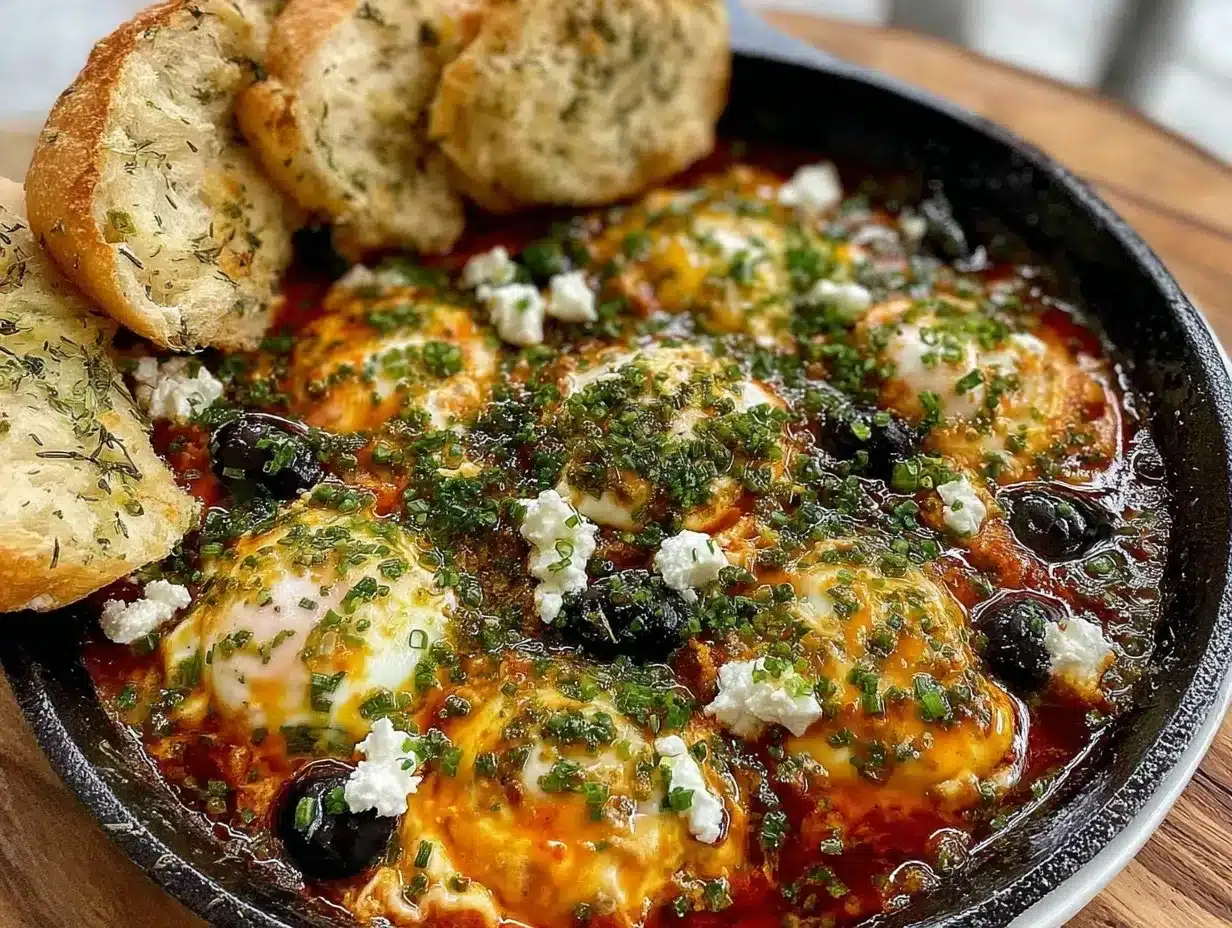
- Heat the olive oil: In your skillet over medium heat, warm 2 tablespoons of olive oil until shimmering (about 1-2 minutes). You want it hot enough to sizzle but not smoke.
- Sauté the aromatics: Add the chopped onion and diced red bell pepper. Cook, stirring occasionally, until softened and slightly golden, about 6-8 minutes. You should smell that sweet, mellow fragrance from the peppers and onions.
- Add garlic and spices: Stir in the minced garlic, smoked paprika, cumin, and red pepper flakes if using. Cook for about 1 minute until fragrant—don’t let the garlic brown or it will turn bitter.
- Build the tomato sauce: Stir in the canned diced tomatoes and tomato paste. Use your spoon to break down any large chunks. Bring the mixture to a simmer, then reduce the heat to low and let it gently bubble for 10-12 minutes. The sauce should thicken slightly and smell richly spiced.
- Season the sauce: Add salt and freshly ground black pepper to taste. This step is key—taste and adjust seasoning because the feta and olives will add saltiness later.
- Add olives: Stir in the halved Kalamata olives, distributing them evenly through the sauce.
- Poach the eggs: Make four small wells in the tomato sauce and crack one egg into each. Cover the skillet with a lid or plate and cook for 6-8 minutes, or until the egg whites are set but yolks remain runny. If you prefer firmer yolks, cook a minute or two longer.
- Add feta and garnish: Scatter the crumbled feta cheese over the top and sprinkle with chopped parsley or cilantro right before serving.
- Serve immediately: Bring the skillet to the table with plenty of crusty bread or pita on the side for dipping into the sauce and eggs.
Pro tip: If your sauce feels too watery, remove the eggs once cooked and simmer the sauce uncovered for a few extra minutes. Also, keep an eye on the eggs — cover the pan tightly to poach them evenly and avoid any rubbery whites.
Cooking Tips & Techniques
Getting the perfect shakshuka comes down to a few simple but important details.
- Low and slow: Simmer your sauce gently to deepen the flavors without burning the tomatoes or drying out the pan.
- Watch your garlic: Garlic burns quickly, so add it late and stir constantly when cooking.
- Egg poaching made easy: Use a lid to trap steam; it cooks the egg whites quickly while leaving yolks luscious and runny.
- Balance salt carefully: The feta and olives add saltiness, so err on the side of less salt in the sauce itself and adjust later.
- Choosing the right pan: A heavy-bottomed skillet holds heat evenly, preventing hot spots that could scorch the sauce.
- Multitasking tip: While the sauce simmers, chop your feta and olives to save time and keep the momentum going.
Early on, I used to rush the simmering stage and ended up with a watery, bland sauce. Patience really makes a difference here. Also, don’t rush the egg poaching—cover the pan well and check frequently to avoid overcooking. Once you master these steps, shakshuka becomes a reliable, satisfying meal every time.
Variations & Adaptations
This shakshuka recipe is flexible and welcomes a variety of tweaks to suit your taste or dietary needs.
- Spicy kick: Add chopped fresh chili peppers or increase red pepper flakes for a fiery version.
- Green shakshuka: Swap tomatoes for a mixture of sautéed greens (spinach, kale) with green peppers and herbs, then poach eggs in that vibrant base.
- Vegan option: Omit eggs and feta; instead, simmer firm tofu cubes in the sauce and sprinkle with nutritional yeast or vegan cheese.
- Seasonal twists: Use fresh cherry tomatoes and roasted peppers in summer, or add roasted butternut squash cubes in fall for sweetness.
- Cheese swap: Try crumbled goat cheese or queso fresco instead of feta for a different tang.
Personally, I once made a version with smoked sausage slices stirred into the sauce—unexpected but delightful. It paired beautifully with the olives and feta, adding a meaty richness that made it perfect for a weekend brunch with friends. Feel free to experiment and make this recipe your own.
Serving & Storage Suggestions
Serve shakshuka hot and straight from the skillet, so you get the full sensory experience of that bubbling tomato sauce and creamy eggs. It’s best enjoyed with crusty bread or warm pita for dipping.
For drink pairings, a strong black coffee or a lightly spiced chai complements the spices well. If it’s brunch, a fresh citrusy mimosa or sparkling water with lemon brightens the meal.
Leftovers keep well in the refrigerator for up to 2 days. Store in an airtight container, reheating gently on the stove or in the microwave just until warmed through—overheating can toughen the eggs and dry out the sauce.
Flavors actually develop a bit overnight, making the next-day shakshuka a little sweeter and richer. Just add a splash of water or broth when reheating to loosen the sauce if needed.
Nutritional Information & Benefits
A serving of this perfect shakshuka offers a balanced mix of protein, healthy fats, and vitamins. Eggs provide high-quality protein and essential nutrients like choline and vitamin D. Tomatoes are rich in antioxidants like lycopene, which support heart health and immune function.
Feta cheese adds calcium and a satisfying creaminess, while olives bring monounsaturated fats that are good for your heart. This recipe is naturally gluten-free and can be adjusted for lower sodium by reducing the olives or feta. It’s hearty enough to fuel your morning but light enough to keep you feeling energized.
From a wellness standpoint, shakshuka feels like a wholesome meal that satisfies cravings without weighing you down—a balance of nutrition and comfort that I appreciate during busy or slow days alike.
Conclusion
This perfect shakshuka with feta and olives is more than just breakfast—it’s a cozy ritual that feels like a warm hug on a plate. Whether you’re cooking for yourself or sharing with friends, it’s a recipe worth coming back to because it’s simple, flavorful, and flexible enough to suit any mood or occasion.
Don’t hesitate to customize it—add more spice, swap cheeses, or pile on herbs. I love how it invites creativity while still feeling like a reliable classic. If you’ve tried this recipe, I’d love to hear your favorite twists or how you like to serve it—drop a comment or share your experience!
Here’s to many cozy mornings filled with shakshuka, good company, and plenty of dipping bread.
FAQs
- Can I make shakshuka ahead of time?
Yes, you can prepare the sauce a day ahead and refrigerate it. Add the eggs fresh when reheating for the best texture. - What’s the best bread for dipping?
Crusty baguette, pita, or sourdough work beautifully—anything with a firm crust and soft interior. - How do I know when the eggs are done?
The whites should be set but the yolks still slightly runny. Covering the pan helps cook the eggs evenly. - Can I freeze shakshuka?
It’s best fresh or refrigerated. Freezing may change the texture of the eggs and sauce. - Is shakshuka spicy?
It depends on your preference—this recipe uses mild paprika and optional red pepper flakes. Adjust the heat to your liking.
Pin This Recipe!
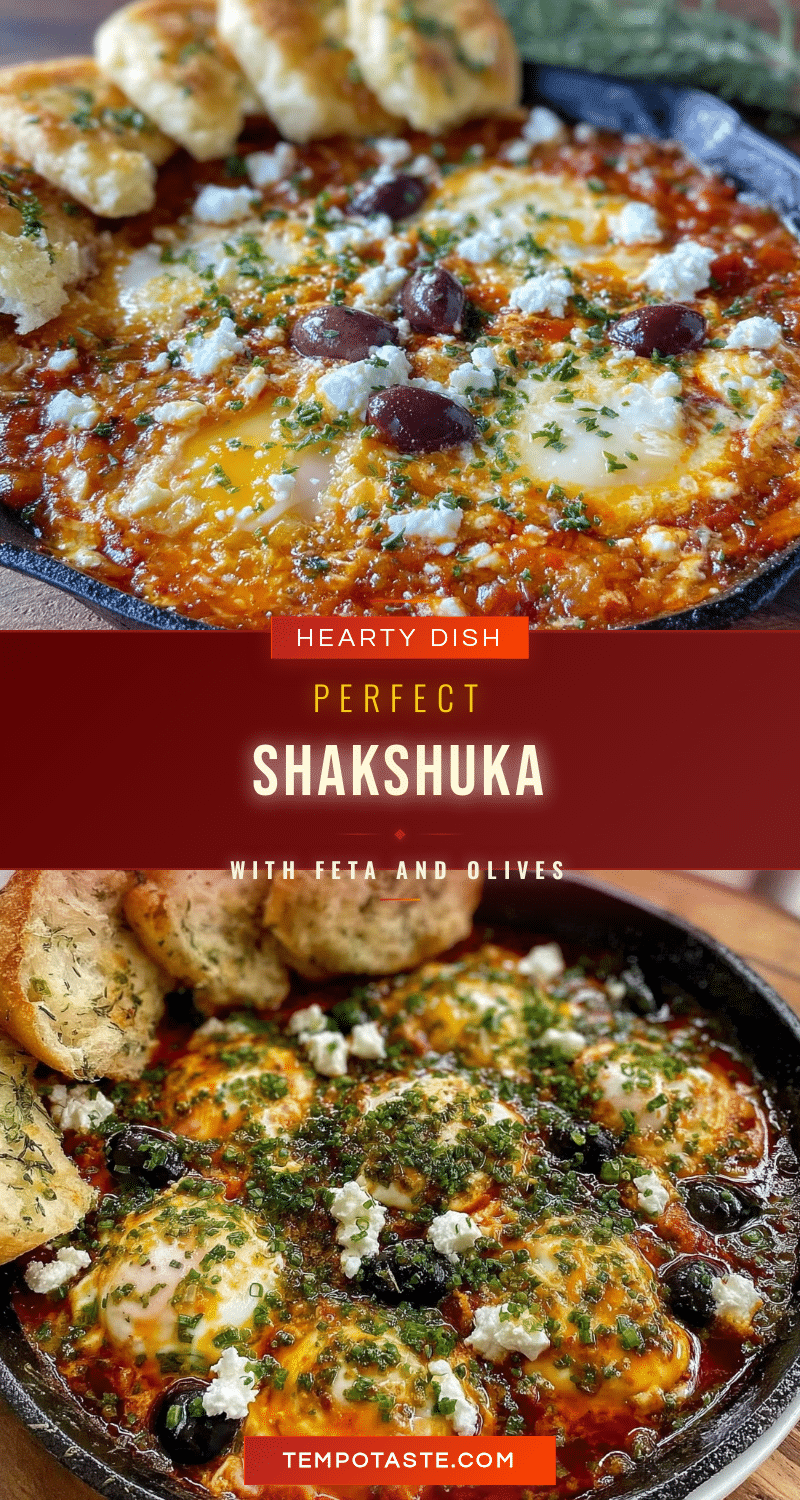
Perfect Shakshuka with Feta and Olives

A cozy and flavorful breakfast dish featuring eggs poached in a spiced tomato sauce with creamy feta and briny Kalamata olives, perfect for dipping with crusty bread.
- Prep Time: 10 minutes
- Cook Time: 20 minutes
- Total Time: 30 minutes
- Yield: 4 servings 1x
- Category: Breakfast
- Cuisine: Middle Eastern
Ingredients
- 2 tablespoons extra virgin olive oil
- 1 onion, finely chopped
- 2 garlic cloves, minced
- 1 red bell pepper, diced
- 14 oz (400 g) canned diced tomatoes
- 2 tablespoons tomato paste
- 1 teaspoon smoked paprika
- 1 teaspoon cumin
- ¼ teaspoon red pepper flakes (optional)
- Salt, to taste
- Freshly ground black pepper, to taste
- 4 large eggs
- 4 oz (115 g) feta cheese, crumbled
- ½ cup (75 g) Kalamata olives, pitted and halved
- Fresh parsley or cilantro, chopped (for garnish)
- Crusty bread or pita, for serving
Instructions
- Heat 2 tablespoons of olive oil in a large skillet over medium heat until shimmering, about 1-2 minutes.
- Add the chopped onion and diced red bell pepper. Cook, stirring occasionally, until softened and slightly golden, about 6-8 minutes.
- Stir in the minced garlic, smoked paprika, cumin, and red pepper flakes if using. Cook for about 1 minute until fragrant, being careful not to brown the garlic.
- Add the canned diced tomatoes and tomato paste. Break down any large chunks with your spoon. Bring to a simmer, then reduce heat to low and let gently bubble for 10-12 minutes until the sauce thickens slightly.
- Season the sauce with salt and freshly ground black pepper to taste.
- Stir in the halved Kalamata olives evenly through the sauce.
- Make four small wells in the sauce and crack one egg into each well. Cover the skillet with a lid or plate and cook for 6-8 minutes until egg whites are set but yolks remain runny. Cook longer if firmer yolks are preferred.
- Scatter the crumbled feta cheese over the top and sprinkle with chopped parsley or cilantro.
- Serve immediately with plenty of crusty bread or pita for dipping.
Notes
If the sauce is too watery, remove the eggs once cooked and simmer the sauce uncovered for a few extra minutes. Cover the pan tightly when poaching eggs to cook whites evenly and avoid rubbery texture. Adjust salt carefully as feta and olives add saltiness. Use a heavy-bottomed skillet to prevent scorching.
Nutrition
- Serving Size: 1 serving (approxima
- Calories: 320
- Sugar: 7
- Sodium: 700
- Fat: 24
- Saturated Fat: 7
- Carbohydrates: 12
- Fiber: 3
- Protein: 15
Keywords: shakshuka, breakfast, eggs, feta, olives, tomato sauce, easy recipe, cozy breakfast, one-pan meal