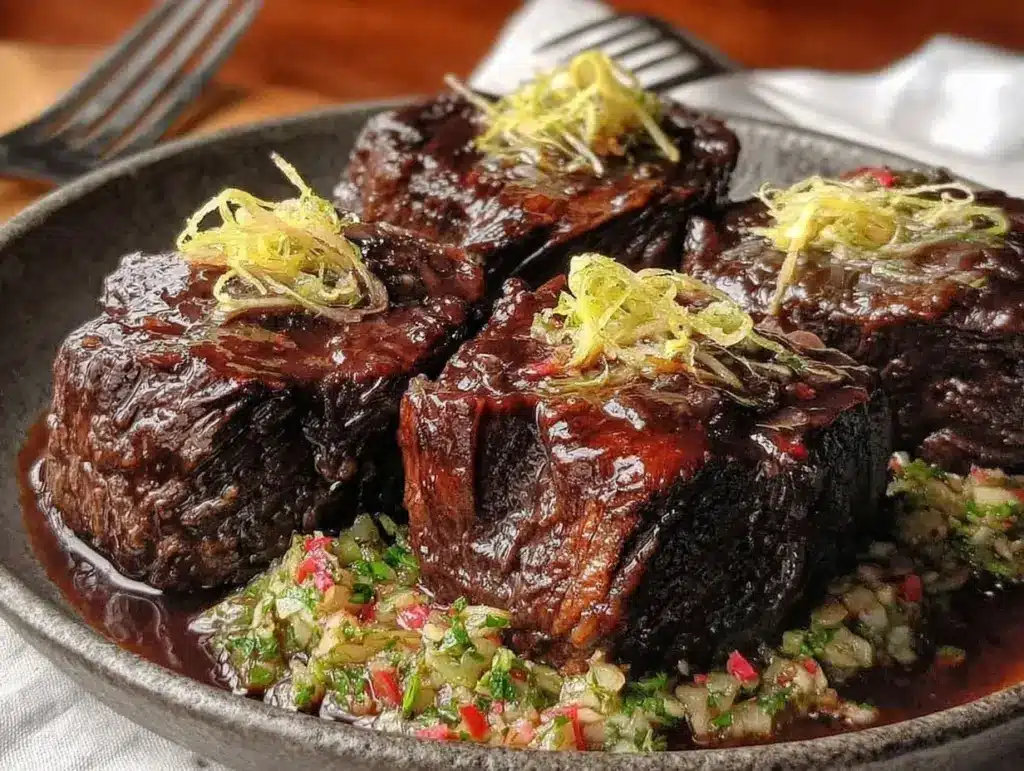
“You sure those are beef cheeks?” my friend asked, squinting at the oddly shaped meat in the pan. I wasn’t even sure myself when I first picked them up at the butcher’s counter, mostly because I’d never cooked with beef cheeks before. Honestly, I grabbed them on a whim, intrigued by the challenge and the promise of something rich and tender after hours in the oven.
That evening, as the kitchen filled with the deep aroma of red wine, garlic, and herbs, I settled in with a glass of something bold and let the slow cooking work its magic. Hours later, the beef cheeks were fall-apart tender, soaked in a luscious sauce, and cut with a bright, fresh gremolata that woke up every bite. It wasn’t just a meal; it was a revelation.
Since then, this tender oven braised beef cheeks recipe with easy red wine gremolata has become my go-to for those moments when I want to impress without fuss, or just need a comforting reset after a long day. There’s a quiet satisfaction in that slow-cooked richness, paired with the zing of fresh herbs and citrus zest, that stays with you.
What really snagged me was how approachable the whole thing felt — despite the long cooking time, it’s mostly hands-off, and the ingredients are simple but thoughtful. It’s kind of a secret weapon in my kitchen, especially when paired with sides like a fresh grilled peach salad with burrata and prosciutto or a creamy coconut mango sticky rice dessert for a full meal that feels both indulgent and balanced.
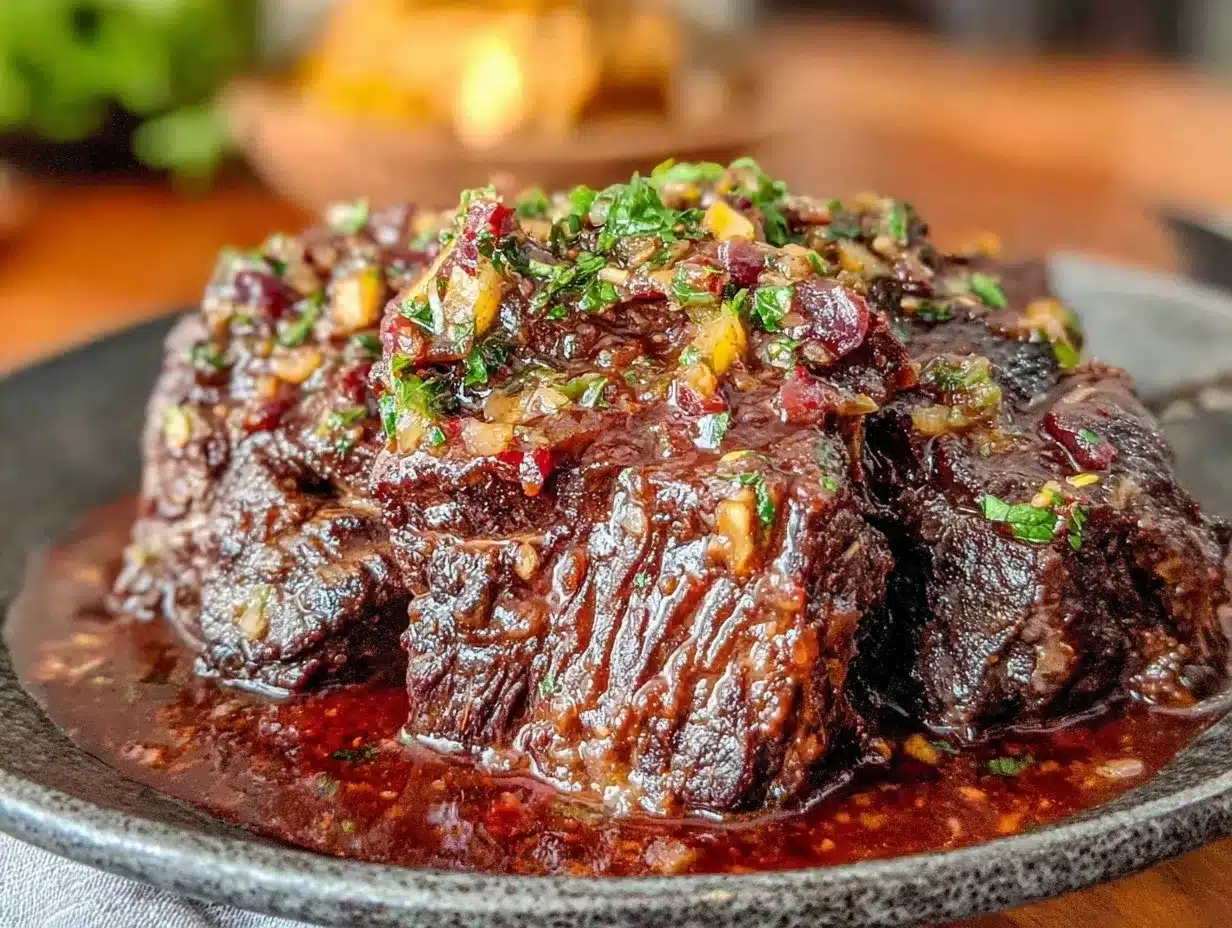
That quiet moment of slicing into the beef cheeks, the meat pulling apart with barely a nudge and the gremolata brightening every mouthful, is why this recipe stuck. It’s not just about the food — it’s about the way it makes you feel: relaxed, satisfied, and a little bit proud.
Why You’ll Love This Recipe
After testing this tender oven braised beef cheeks recipe with easy red wine gremolata multiple times, I can say it’s one of those dishes that gets better every time you make it. Whether you’re new to braising or a seasoned cook, this recipe hits the marks for flavor, texture, and ease. Here’s why it’s worth your time:
- Quick & Easy Prep: The hands-on time is under 30 minutes, and then the oven does the rest while you relax or prep other dishes.
- Simple Ingredients: You don’t need exotic spices or hard-to-find items — just pantry staples and fresh herbs you can find anywhere.
- Perfect for Special Occasions: Makes a decadent yet comforting main that’s ideal for dinner parties, cozy weekend meals, or holiday gatherings.
- Crowd-Pleaser: Even folks who aren’t usually adventurous with cuts of meat love how tender and flavorful the beef cheeks become.
- Unbelievably Delicious: The contrast between the rich, slow-cooked beef and the zesty red wine gremolata is a flavor bomb that lingers.
- Unique Cooking Technique: Braising the beef cheeks low and slow breaks down the connective tissue for that melt-in-your-mouth texture, while the gremolata adds a fresh, bright finish uncommon in braised beef dishes.
This recipe isn’t just another braised beef dish; it’s the one that earns repeat requests and quiet nods of approval. Plus, it pairs beautifully with lighter, fresh dishes like the fresh grilled peach salad with burrata and prosciutto, which helps balance the richness perfectly.
What Ingredients You Will Need
This recipe uses simple, wholesome ingredients to deliver bold flavor and satisfyingly tender beef cheeks without fuss. Most of these items are pantry staples or easy to find at your local market, making it practical for a home cook willing to try something a bit special.
- Beef Cheeks: 2 pounds (900 g), trimmed of excess fat (ask your butcher if you’re unsure)
- Olive Oil: 2 tablespoons (for browning, I like a good quality extra virgin brand for flavor)
- Onion: 1 large, finely chopped (adds sweetness and depth)
- Carrots: 2 medium, peeled and diced (for natural sweetness)
- Celery Stalks: 2, diced (classic braising base)
- Garlic: 4 cloves, minced (the heart of the flavor)
- Tomato Paste: 2 tablespoons (boosts umami and color)
- Red Wine: 1 ½ cups (360 ml), dry and robust like Cabernet Sauvignon or Merlot)
- Beef Broth: 2 cups (480 ml), homemade or low-sodium store-bought works fine)
- Fresh Thyme: 3-4 sprigs (adds earthiness)
- Bay Leaves: 2 (classic braising aroma)
- Salt and Black Pepper: to taste (season generously)
For the Red Wine Gremolata (the bright, zesty topping):
- 1/3 cup (15 g) fresh parsley, finely chopped
- 1 tablespoon lemon zest (for that citrus pop)
- 1 teaspoon orange zest (optional, but adds a lovely twist)
- 2 teaspoons minced garlic
- 2 tablespoons red wine (use leftover from braising or fresh)
- Salt to taste
Substitutions: If you’re looking for a gluten-free meal, just double-check your beef broth for hidden gluten. You can swap out red wine with a robust grape juice or pomegranate juice if you prefer non-alcoholic, though the flavor will be slightly different. For a dairy-free gremolata, no worries—it’s naturally free from dairy.
Equipment Needed
- Heavy Oven-Safe Dutch Oven or Braiser: Perfect for even heat distribution and going from stovetop to oven.
- Sharp Chef’s Knife: For chopping vegetables and trimming beef cheeks.
- Cutting Board: Preferably separate ones for meat and veggies to avoid cross-contamination.
- Tongs: For turning the meat during browning.
- Wooden Spoon or Silicone Spatula: For stirring tomato paste and vegetables.
- Fine Zester or Microplane Grater: To zest lemons and oranges for the gremolata.
- Measuring Cups and Spoons: Precision matters with the wine and broth.
If you don’t have a Dutch oven, a heavy-bottomed oven-safe pot or a deep casserole dish with a tight-fitting lid works well. Just be sure it can hold liquid without evaporating too quickly in the oven. I once tried a slow cooker for this recipe but found it lacked the caramelized flavor you get from searing the beef cheeks first, so I recommend the stove-to-oven method for best results.
Preparation Method
- Preheat your oven to 300°F (150°C). This low temperature will slowly tenderize the beef cheeks over several hours.
- Pat the beef cheeks dry with paper towels. This step is crucial for proper browning, which builds flavor.
- Season the beef cheeks generously with salt and black pepper. Don’t skimp here—seasoning early helps penetrate the meat.
- Heat olive oil in your Dutch oven over medium-high heat. When shimmering, add the beef cheeks and brown on all sides, about 4-5 minutes per side. Browning develops a rich base flavor, so don’t rush it.
- Remove the beef cheeks and set aside. Lower heat to medium, then add the chopped onion, carrots, and celery. Sauté until softened and lightly golden, about 7-8 minutes.
- Add minced garlic and tomato paste. Cook for 1-2 minutes, stirring constantly, until fragrant and the tomato paste deepens in color.
- Pour in the red wine. Stir to deglaze the pan, scraping up browned bits from the bottom — this is flavor gold! Let it simmer for about 5 minutes to reduce slightly.
- Return the beef cheeks to the pot. Add beef broth, fresh thyme sprigs, and bay leaves. The liquid should just about cover the meat; add more broth if needed.
- Cover the Dutch oven with its lid and transfer to the oven. Braise for 3 to 3 ½ hours, or until the meat is fork-tender and falling apart.
- Once cooked, remove beef cheeks and strain the braising liquid into a saucepan. Bring the liquid to a boil and reduce until slightly thickened, about 10 minutes, to concentrate flavor.
- Meanwhile, prepare the red wine gremolata: In a small bowl, combine chopped parsley, lemon zest, orange zest, minced garlic, red wine, and a pinch of salt. Mix well and let it sit to marry the flavors.
- Serve the tender beef cheeks spooned with the reduced sauce and a generous sprinkle of red wine gremolata on top. The gremolata adds a fresh, tangy contrast that cuts through the rich meat beautifully.
Tip: Keep an eye on the braising liquid during cooking; if it evaporates too quickly, add a splash of broth or water to keep the meat moist.
Tip: The meat should feel like butter when pierced with a fork — if it’s still tough, it needs more time in the oven.
Cooking Tips & Techniques
Braising is all about patience and layering flavors. A few things I learned through trial and error:
- Don’t skip browning: That crust on the beef cheeks is where much of the deep, meaty flavor lives. I once tried skipping this to save time, and the final dish was noticeably flat.
- Low and slow wins: Braising at a low oven temp (around 300°F/150°C) for several hours breaks down collagen and connective tissue gently, giving you that tender, luscious texture.
- Season throughout: Salt the beef cheeks before browning, season the braising liquid, and adjust seasoning at the end. Layered seasoning means every bite is perfectly balanced.
- Use fresh herbs: Thyme and bay leaves are classic, but fresh herbs provide a brightness that dried versions can’t match.
- Don’t rush the gremolata: Let it sit for at least 10 minutes so the flavors meld. The acidity and freshness can brighten even the richest dishes.
Multitasking tips: Since this is a slow-cooker kind of recipe, you can prep your gremolata or set the table while the beef braises. That way, you’re not stuck in the kitchen the whole time.
Variations & Adaptations
This recipe is quite flexible, so feel free to adapt it based on your preferences or what you have on hand.
- Dietary swap: For a lower-fat version, trim all visible fat from the cheeks and use a leaner beef broth.
- Flavor twist: Add a cinnamon stick or star anise to the braising liquid for a subtle warm spice note that pairs beautifully with the red wine.
- Seasonal veggies: Swap out carrots and celery for parsnips and fennel in the fall for an autumnal vibe.
- Cooking method: If you prefer a slow cooker, brown the cheeks on the stove, then transfer everything to a slow cooker on low for 6-8 hours. Just remember, you won’t get the browned fond on the bottom of the pot to deglaze, so the flavor might be a touch lighter.
- Personal variation: Once, I added a splash of balsamic vinegar reduction (similar to the one in this easy homemade balsamic vinegar reduction recipe) at the end for a sweet-tart finish that was incredible.
Serving & Storage Suggestions
Serve this tender oven braised beef cheeks dish warm, straight from the pot, topped generously with the red wine gremolata. I love plating it alongside creamy mashed potatoes or buttery polenta to soak up the luscious sauce.
For a lighter contrast, a crisp green salad or the fresh shaved fennel and orange salad pairs wonderfully — the acidity cuts through the richness in the best way.
Storage: Leftovers keep well in an airtight container in the fridge for up to 3 days. The flavors actually deepen overnight, so it’s great for make-ahead meals.
Freezing: You can freeze the beef cheeks and sauce for up to 2 months. Thaw overnight in the fridge and gently reheat on the stovetop to avoid drying out.
Reheating tip: Warm slowly over low heat, adding a splash of broth or water if the sauce thickens too much. Top with fresh gremolata just before serving to refresh the flavors.
Nutritional Information & Benefits
This recipe offers a hearty, nutrient-rich meal. Beef cheeks are an excellent source of protein and collagen, which supports skin and joint health. The slow braising breaks down connective tissue, making it easier to digest and absorb nutrients.
Red wine in cooking contributes antioxidants, and the gremolata’s fresh herbs add vitamin C and fiber. While this dish is rich, balancing it with fresh salads or vegetable sides keeps the meal wholesome.
Dietary notes: Naturally gluten-free and low in carbs, this recipe suits paleo and keto eating styles with simple ingredient swaps for broth and wine as needed. Just be mindful of alcohol content if serving to sensitive guests; the cooking process cooks off most of it.
Conclusion
This tender oven braised beef cheeks recipe with easy red wine gremolata is one of those dishes that feels like a warm, satisfying hug on a plate. It’s approachable enough for a weekend cook but impressive enough to serve when you want to make an occasion feel special.
What I love most is the balance — rich, slow-cooked meat paired with bright, fresh gremolata that cuts through the richness just right. I hope you find that same joy in this recipe, and maybe even put your own spin on it. It’s a dish worth savoring, sharing, and coming back to again and again.
Give it a try, and if you do, I’d love to hear how you customize it or what you serve alongside. Cooking is always better when it’s a little bit your own story.
Frequently Asked Questions
Can I use other cuts of beef instead of beef cheeks?
You can, but beef cheeks are special because of their high collagen content, which breaks down into gelatin for that melt-in-your-mouth texture. Chuck roast or short ribs are good alternatives but may yield a different texture and flavor.
Do I have to use red wine in the gremolata?
Not necessarily. The red wine adds acidity and depth, but you can substitute with lemon juice or omit it altogether for a fresher gremolata.
How long does it take to braise beef cheeks properly?
Plan for about 3 to 3 ½ hours at 300°F (150°C). The key is low and slow to break down tough connective tissue.
Can I prepare this recipe ahead of time?
Absolutely! The flavors improve after resting overnight in the fridge, making it a great make-ahead dish.
What sides pair best with braised beef cheeks?
Creamy mashed potatoes, polenta, or a crisp seasonal salad like grilled peach salad with burrata and prosciutto balance the richness beautifully.
Pin This Recipe!
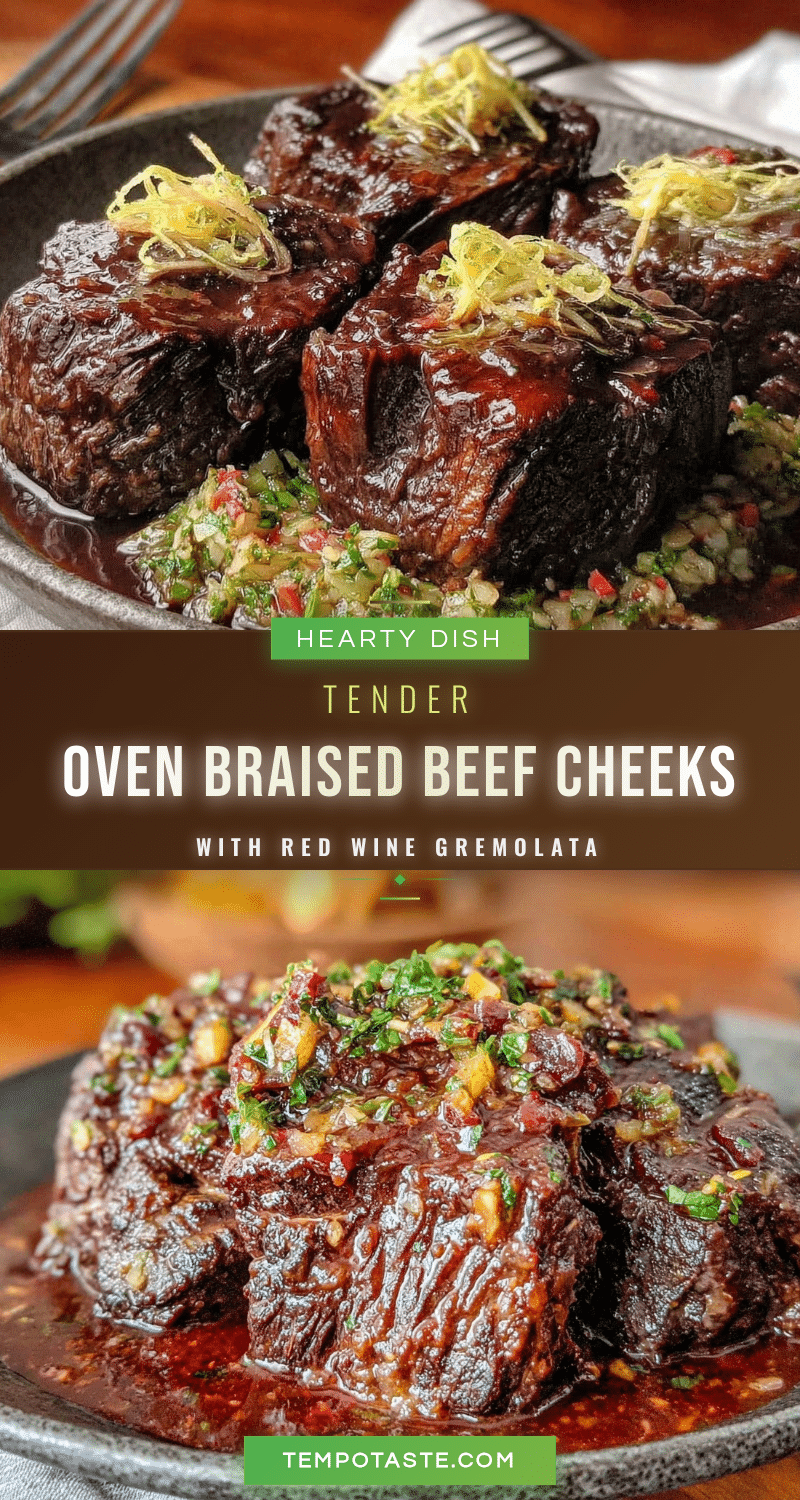
Tender Oven Braised Beef Cheeks Recipe with Easy Red Wine Gremolata

A rich and tender slow-cooked beef cheeks recipe braised in red wine and herbs, topped with a bright and fresh red wine gremolata that adds a zesty contrast.
- Prep Time: 25 minutes
- Cook Time: 3 hours 30 minutes
- Total Time: 3 hours 55 minutes
- Yield: 4 servings 1x
- Category: Main Course
- Cuisine: American
Ingredients
- 2 pounds beef cheeks, trimmed of excess fat
- 2 tablespoons olive oil
- 1 large onion, finely chopped
- 2 medium carrots, peeled and diced
- 2 celery stalks, diced
- 4 cloves garlic, minced
- 2 tablespoons tomato paste
- 1 ½ cups dry red wine (Cabernet Sauvignon or Merlot recommended)
- 2 cups beef broth (homemade or low-sodium store-bought)
- 3–4 sprigs fresh thyme
- 2 bay leaves
- Salt and black pepper to taste
- For the Red Wine Gremolata:
- 1/3 cup fresh parsley, finely chopped
- 1 tablespoon lemon zest
- 1 teaspoon orange zest (optional)
- 2 teaspoons minced garlic
- 2 tablespoons red wine (leftover from braising or fresh)
- Salt to taste
Instructions
- Preheat your oven to 300°F (150°C).
- Pat the beef cheeks dry with paper towels.
- Season the beef cheeks generously with salt and black pepper.
- Heat olive oil in your Dutch oven over medium-high heat. When shimmering, add the beef cheeks and brown on all sides, about 4-5 minutes per side.
- Remove the beef cheeks and set aside. Lower heat to medium, then add the chopped onion, carrots, and celery. Sauté until softened and lightly golden, about 7-8 minutes.
- Add minced garlic and tomato paste. Cook for 1-2 minutes, stirring constantly, until fragrant and the tomato paste deepens in color.
- Pour in the red wine. Stir to deglaze the pan, scraping up browned bits from the bottom. Let it simmer for about 5 minutes to reduce slightly.
- Return the beef cheeks to the pot. Add beef broth, fresh thyme sprigs, and bay leaves. The liquid should just about cover the meat; add more broth if needed.
- Cover the Dutch oven with its lid and transfer to the oven. Braise for 3 to 3 ½ hours, or until the meat is fork-tender and falling apart.
- Once cooked, remove beef cheeks and strain the braising liquid into a saucepan. Bring the liquid to a boil and reduce until slightly thickened, about 10 minutes.
- Meanwhile, prepare the red wine gremolata: In a small bowl, combine chopped parsley, lemon zest, orange zest, minced garlic, red wine, and a pinch of salt. Mix well and let it sit to marry the flavors.
- Serve the tender beef cheeks spooned with the reduced sauce and a generous sprinkle of red wine gremolata on top.
Notes
[‘Keep an eye on the braising liquid during cooking; add broth or water if it evaporates too quickly to keep the meat moist.’, ‘The meat should feel like butter when pierced with a fork; if still tough, cook longer.’, ‘Browning the beef cheeks before braising is essential for deep flavor.’, ‘Let the gremolata sit for at least 10 minutes to meld flavors.’, ‘For a non-alcoholic version, substitute red wine with grape or pomegranate juice.’, ‘Slow cooker method possible but may lack caramelized flavor.’, ‘Leftovers keep well refrigerated for up to 3 days and freeze for up to 2 months.’]
Nutrition
- Serving Size: 1 beef cheek portion
- Calories: 480
- Sugar: 4
- Sodium: 550
- Fat: 22
- Saturated Fat: 7
- Carbohydrates: 10
- Fiber: 2
- Protein: 52
Keywords: beef cheeks, braised beef, red wine gremolata, slow cooked beef, oven braised, tender beef recipe, easy braised beef cheeks