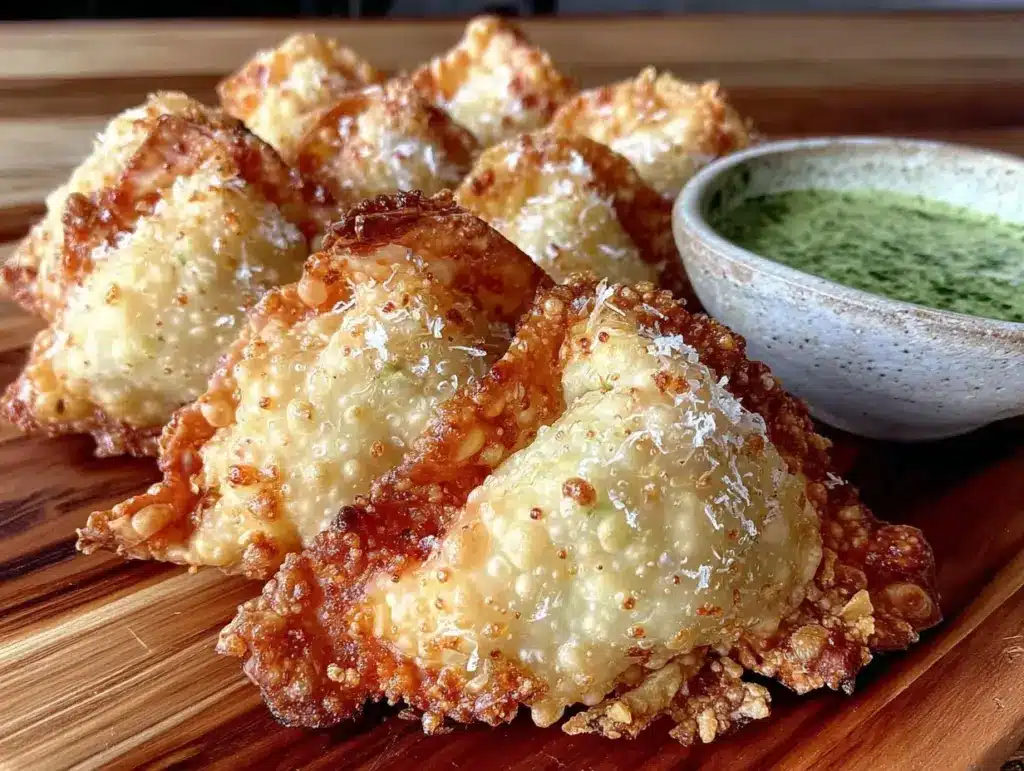
The crisp crunch of a perfectly fried vegetable samosa paired with the cool, tangy zing of mint chutney—honestly, nothing beats that combo. I remember the first time I made vegetable samosas at home; it was a bit of an adventure, but the result was so worth the effort. These irresistible vegetable samosas with mint chutney have become my go-to snack, especially when friends drop by unexpectedly. You know, it’s hard to resist that flaky, golden pastry hugging a spiced veggie filling.
Vegetable samosas hold a special place in my kitchen repertoire. They remind me of bustling street food stalls and cozy family gatherings. Over time, I’ve tweaked my recipe to make it super approachable yet packed with authentic flavor. If you’ve ever thought samosas were complicated, I’m here to show you they’re actually quite doable and so satisfying to make. Plus, the mint chutney adds a fresh pop that balances the richness of the samosas perfectly.
This vegetable samosas recipe easy homemade with mint chutney dip isn’t just about taste—it’s about crafting a snack that’s comforting, sharable, and downright addictive. Whether you’re serving them at a party or craving a cozy night in, these samosas deliver every time. Trust me, after making these a few times, you’ll wonder why you ever bought frozen ones in the first place!
Why You’ll Love This Recipe
- Quick & Easy: Comes together in under an hour, perfect for weekend cooking or last-minute cravings.
- Simple Ingredients: Uses common pantry staples—no exotic spices or hard-to-find items.
- Perfect for Entertaining: Ideal for parties, tea time, or even a fun family cooking activity.
- Crowd-Pleaser: Loved by both kids and adults, these samosas are always a hit.
- Unbelievably Delicious: The crispy exterior and flavorful veggie filling create a satisfying bite every time.
What sets this vegetable samosas recipe easy homemade with mint chutney dip apart is the balance between tradition and simplicity. I blend spices just right to keep the filling vibrant without overpowering the veggies. Also, I’ve learned that rolling the dough thin and frying at the right temperature makes the magic happen—crispy but never greasy.
And the mint chutney? It’s not just a dip; it’s a fresh breath of flavor that ties everything together. I sometimes add a splash of lemon juice to brighten it even more. Honestly, this recipe isn’t just food—it’s comfort and celebration rolled into one crispy pocket.
What Ingredients You Will Need
This recipe uses simple, wholesome ingredients to deliver bold flavor and satisfying texture without the fuss. Most of these are pantry staples, and the fresh produce is easy to find year-round. Here’s what you’ll gather before you start:
- For the Dough:
- All-purpose flour (2 cups / 250g) – I prefer King Arthur brand for consistent texture
- Salt (½ tsp)
- Oil (3 tbsp) – vegetable or canola oil works well
- Water (about ¾ cup / 180 ml) – lukewarm, to bring the dough together
- For the Filling:
- Potatoes (2 medium, boiled and mashed) – the base for that creamy texture
- Green peas (½ cup / 75g, fresh or frozen)
- Carrots (1 medium, finely chopped)
- Onion (1 small, finely diced)
- Green chili (1, finely chopped) – optional, for a bit of heat
- Fresh ginger (1 tsp, grated)
- Cumin seeds (1 tsp)
- Mustard seeds (½ tsp)
- Turmeric powder (½ tsp)
- Garam masala (1 tsp)
- Coriander powder (1 tsp)
- Fresh cilantro (a handful, chopped)
- Salt (to taste)
- Oil (2 tbsp) – for sautéing
- For the Mint Chutney Dip:
- Fresh mint leaves (1 cup, packed)
- Fresh cilantro leaves (½ cup)
- Green chili (1, adjust to taste)
- Lemon juice (2 tbsp)
- Salt (to taste)
- Water (as needed for blending)
If you want to switch things up, you can swap potatoes with sweet potatoes or add finely chopped bell peppers to the filling. For a gluten-free dough, chickpea flour can be experimented with (though the texture will differ). Just remember, the fresher the herbs for the chutney, the livelier the flavor!
Equipment Needed
- Mixing bowls – a medium and a large one work great
- Rolling pin – for rolling out thin samosa wrappers; a small to medium size is easier to handle
- Knife and chopping board – sharp knife for fine chopping
- Frying pan or deep saucepan – for deep frying the samosas
- Slotted spoon – helps in safely removing samosas from hot oil without excess oil
- Blender or food processor – for making smooth mint chutney
- Measuring cups and spoons – for precise ingredient quantities
If you don’t have a rolling pin, a clean wine bottle can be a handy substitute. For frying, an electric deep fryer works well if you have one, but a heavy-bottomed pan is perfectly fine. Just keep an eye on the oil temperature to get that perfect crunch. Oh, and a kitchen thermometer can be a nice-to-have if you’re serious about frying, but I usually go by the bubbling and color cues.
Detailed Preparation Method

- Prepare the Dough: In a large bowl, combine 2 cups (250g) all-purpose flour and ½ tsp salt. Add 3 tbsp oil and rub it into the flour until the mixture looks crumbly. Gradually add about ¾ cup (180 ml) lukewarm water, mixing with your hand until a firm dough forms. Knead for 5-7 minutes until smooth. Cover with a damp cloth and let it rest for 30 minutes.
- Make the Filling: Heat 2 tbsp oil in a frying pan over medium heat. Add 1 tsp cumin seeds and ½ tsp mustard seeds. When they start popping, add finely diced 1 small onion, 1 tsp grated ginger, and 1 chopped green chili. Sauté until onions turn translucent (about 3-4 minutes).
- Add chopped carrots (1 medium) and green peas (½ cup), stirring for 2 minutes. Mix in turmeric (½ tsp), coriander powder (1 tsp), garam masala (1 tsp), and salt to taste. Cook for 3-4 minutes until vegetables are tender but retain some bite.
- Turn off the heat, then add mashed potatoes (2 medium) and chopped fresh cilantro (a handful). Mix well, ensuring the spices coat the potatoes evenly. Let the filling cool completely.
- Roll the Dough: Divide the dough into 8 equal balls. On a lightly floured surface, roll each ball into a thin oval or circle (about 6-7 inches / 15-18 cm diameter). Cut each rolled dough piece in half to create two semi-circles.
- Shape the Samosas: Take one semi-circle, fold into a cone shape by bringing the straight edges together, and seal with a little water. Fill the cone with 2-3 tbsp of the cooled filling. Wet the open edges and pinch tightly to seal the samosa, making sure there are no gaps.
- Heat the Oil: In a deep frying pan or heavy-bottomed pot, heat oil to 350°F (175°C). To test, drop a small piece of dough – it should sizzle and rise to the surface slowly.
- Fry the Samosas: Carefully slide a few samosas into the hot oil, avoiding overcrowding. Fry for 5-7 minutes, turning occasionally, until golden brown and crispy. Remove with a slotted spoon and drain on paper towels.
- Repeat until all samosas are fried. Let them cool slightly before serving—they’re best warm but not piping hot to avoid burns.
- Prepare the Mint Chutney: In a blender, combine fresh mint leaves (1 cup), cilantro (½ cup), 1 green chili, 2 tbsp lemon juice, and salt to taste. Add water gradually to blend into a smooth, thick sauce. Taste and adjust seasoning as needed.
If your dough feels sticky, dust with a bit more flour but don’t overdo it or your samosas may turn tough. When frying, maintaining a steady oil temperature is key—too hot and samosas brown too fast but stay raw inside; too cool and they soak up oil. I usually fry in batches of 3-4 and keep an eye on color and bubbles.
Cooking Tips & Techniques
One of the trickiest parts about making vegetable samosas is getting that perfectly crispy shell without absorbing too much oil. I’ve found that resting the dough well makes rolling easier and results in flakier pastry. Also, don’t rush the frying—medium heat is your best friend here.
A common mistake is overfilling the samosas, which makes sealing a disaster and causes filling to spill out. Stick to about 2-3 tablespoons per samosa, and take your time folding and pinching the edges tightly. If you’re new to this, practice makes perfect! I’ve had plenty of samosas burst open when I started, but now I can fold them with my eyes closed.
When making the filling, cook the spices just enough to release their aroma but avoid burning them. Fresh ginger and chili add a nice warmth without overwhelming the dish. You can also blanch the peas and carrots beforehand to speed up cooking and keep that fresh bite.
For the mint chutney, fresh herbs are key. If your mint is a bit wilted, add a splash of cold water and ice to the blender to keep it vibrant. And don’t forget to taste and tweak the lemon and salt balance—it’s what makes this chutney sing alongside the samosas.
Variations & Adaptations
- Vegan Version: The recipe is naturally vegan if you use oil for frying and skip any dairy. Double-check your oil choice and chutney ingredients just in case.
- Spicy Kick: Add finely chopped jalapeños or a pinch of red chili powder to the filling for heat lovers. Alternatively, serve with a spicy tamarind chutney instead of mint.
- Baked Samosas: For a lighter option, brush samosas with oil and bake at 400°F (200°C) for 20-25 minutes until golden and crisp. Flip halfway through for even baking.
- Seasonal Veggies: Swap carrots and peas for diced bell peppers, corn, or even finely chopped spinach to suit what’s fresh or in your fridge.
- Cheese Twist: Add a bit of crumbled paneer or feta into the filling for a creamy texture contrast that’s pretty addictive.
I once tried a version with roasted sweet potatoes and cumin seeds, and it brought a smoky sweetness that was surprisingly addictive. Feel free to experiment and find your favorite spin on this classic snack!
Serving & Storage Suggestions
Serve your vegetable samosas warm with a generous bowl of mint chutney for dipping. They’re perfect as a snack alongside chai or as an appetizer before a meal. For a complete spread, pair them with yogurt raita or tamarind chutney as well.
If you have leftovers, store samosas in an airtight container in the refrigerator for up to 2 days. To reheat, pop them in a preheated oven at 350°F (175°C) for 8-10 minutes to bring back that crispiness—microwaving will make them soggy, so avoid that if you can.
Interestingly, samosas tend to taste even better the next day as the spices have more time to meld. Just make sure to re-crisp them before serving. The mint chutney can be refrigerated separately for up to 3 days and tastes best fresh but holds up nicely.
Nutritional Information & Benefits
Each vegetable samosa (approx. 1/8th of the recipe) contains roughly 150-180 calories, depending on frying oil absorption. They provide a good dose of dietary fiber from the potatoes, peas, and carrots, plus vitamin C and antioxidants from the fresh herbs in the chutney.
This recipe is vegetarian and can easily be vegan. It’s free from added sugars and uses wholesome ingredients, making it a better indulgence compared to many snacks. The cumin and turmeric add anti-inflammatory benefits, while the mint chutney offers a refreshing, digestion-friendly boost.
For those watching gluten, swapping the all-purpose flour for gluten-free alternatives will require some experimentation with dough texture but is possible. Overall, these samosas fit nicely into balanced diets when enjoyed in moderation.
Conclusion
So there you have it—my favorite recipe for irresistible vegetable samosas with mint chutney that’s easy enough for home cooks but impressive enough to wow guests. The crispy, golden pockets filled with spiced veggies and paired with that bright chutney make every bite a little celebration.
Feel free to tweak the filling or chutney to suit your tastes—this recipe is a great canvas for creativity. I love how making these samosas brings a little joy and tradition into my kitchen, and I hope you’ll find that same pleasure. If you try this recipe, please drop a comment below to share your experience or any fun twists you’ve added!
Happy cooking and snacking—you’re going to nail this!
Frequently Asked Questions
Can I make the samosa dough ahead of time?
Yes! You can prepare the dough up to a day in advance, wrap it tightly in plastic wrap, and refrigerate. Let it come to room temperature before rolling.
What if I don’t have a deep fryer? Can I pan-fry the samosas?
Deep frying in a heavy-bottomed pan with enough oil works perfectly. Just maintain medium heat and fry in small batches for even cooking.
Can I freeze uncooked samosas?
Absolutely! Assemble the samosas, place them on a baking sheet to freeze individually, then transfer to a freezer bag. Fry or bake directly from frozen, adding a couple of extra minutes to cooking time.
Is there a gluten-free option for the samosa wrappers?
Gluten-free flours like chickpea or rice flour can be used, but the dough will be less elastic and more fragile. You might want to try buying gluten-free samosa wrappers or experimenting with a mix of flours.
How long does the mint chutney keep? Can I make it in advance?
Mint chutney stays fresh for about 3 days in the fridge when stored in an airtight container. Making it a few hours ahead helps flavors meld nicely.
Pin This Recipe!

Vegetable Samosas Recipe Easy Homemade with Mint Chutney Dip

Crispy, golden vegetable samosas filled with a spiced veggie mixture, served with a fresh and tangy mint chutney dip. Perfect as a snack or appetizer, these samosas are easy to make and loved by all.
- Prep Time: 40 minutes
- Cook Time: 20 minutes
- Total Time: 1 hour
- Yield: 8 servings 1x
- Category: Snack
- Cuisine: Indian
Ingredients
- 2 cups (250g) all-purpose flour
- ½ tsp salt (for dough)
- 3 tbsp vegetable or canola oil (for dough)
- ¾ cup (180 ml) lukewarm water (for dough)
- 2 medium potatoes, boiled and mashed
- ½ cup (75g) green peas, fresh or frozen
- 1 medium carrot, finely chopped
- 1 small onion, finely diced
- 1 green chili, finely chopped (optional)
- 1 tsp fresh ginger, grated
- 1 tsp cumin seeds
- ½ tsp mustard seeds
- ½ tsp turmeric powder
- 1 tsp garam masala
- 1 tsp coriander powder
- A handful fresh cilantro, chopped
- Salt to taste (for filling)
- 2 tbsp oil (for sautéing filling)
- 1 cup fresh mint leaves, packed (for chutney)
- ½ cup fresh cilantro leaves (for chutney)
- 1 green chili (for chutney, adjust to taste)
- 2 tbsp lemon juice (for chutney)
- Salt to taste (for chutney)
- Water as needed for blending chutney
Instructions
- Prepare the Dough: In a large bowl, combine 2 cups all-purpose flour and ½ tsp salt. Add 3 tbsp oil and rub into the flour until crumbly. Gradually add about ¾ cup lukewarm water, mixing until a firm dough forms. Knead for 5-7 minutes until smooth. Cover with a damp cloth and let rest for 30 minutes.
- Make the Filling: Heat 2 tbsp oil in a frying pan over medium heat. Add 1 tsp cumin seeds and ½ tsp mustard seeds. When they start popping, add diced onion, grated ginger, and chopped green chili. Sauté until onions turn translucent, about 3-4 minutes.
- Add chopped carrots and green peas, stirring for 2 minutes. Mix in turmeric, coriander powder, garam masala, and salt to taste. Cook for 3-4 minutes until vegetables are tender but still have some bite.
- Turn off heat, add mashed potatoes and chopped cilantro. Mix well to coat potatoes evenly with spices. Let filling cool completely.
- Roll the Dough: Divide dough into 8 equal balls. On a lightly floured surface, roll each ball into a thin oval or circle about 6-7 inches in diameter. Cut each piece in half to create two semi-circles.
- Shape the Samosas: Take one semi-circle, fold into a cone by bringing straight edges together, seal with water. Fill cone with 2-3 tbsp cooled filling. Wet open edges and pinch tightly to seal, ensuring no gaps.
- Heat Oil: In a deep frying pan or heavy-bottomed pot, heat oil to 350°F (175°C). Test by dropping a small piece of dough; it should sizzle and rise slowly.
- Fry the Samosas: Carefully slide a few samosas into hot oil, avoiding overcrowding. Fry for 5-7 minutes, turning occasionally, until golden brown and crispy. Remove with slotted spoon and drain on paper towels.
- Repeat frying until all samosas are cooked. Let cool slightly before serving.
- Prepare Mint Chutney: In a blender, combine fresh mint leaves, cilantro, green chili, lemon juice, and salt. Add water gradually and blend into a smooth, thick sauce. Adjust seasoning to taste.
Notes
Resting the dough makes rolling easier and results in flakier pastry. Maintain oil temperature at 350°F for crispy samosas without excess oil absorption. Avoid overfilling samosas to prevent bursting. Fresh herbs are key for vibrant chutney flavor. For gluten-free option, try chickpea flour but expect different dough texture. Samosas can be baked at 400°F for 20-25 minutes as a lighter alternative.
Nutrition
- Serving Size: 1 samosa (approx. 1/
- Calories: 165
- Sugar: 3
- Sodium: 150
- Fat: 8
- Saturated Fat: 1
- Carbohydrates: 20
- Fiber: 3
- Protein: 3
Keywords: vegetable samosas, homemade samosas, mint chutney, Indian snack, fried samosas, easy samosa recipe, vegetarian snack